Sales: (780) 420 1111
Service & Parts: (780)420 1111


A good car wash feels satisfying. A professional detail? That’s something else entirely.
Most drivers have tried the DIY route at some point — a garden hose, a bucket of soapy water, and a couple of hours on the driveway. And while there’s nothing wrong with keeping things clean, there’s a meaningful difference between a wash and a true detail.
If you’ve ever wondered whether a professional detailing service is actually worth the investment, here’s an honest look at both sides.
Detailing goes well beyond a standard wash. A professional detail addresses both the interior and exterior of the vehicle in depth, using specialized products, equipment, and techniques that most home setups simply can’t replicate.
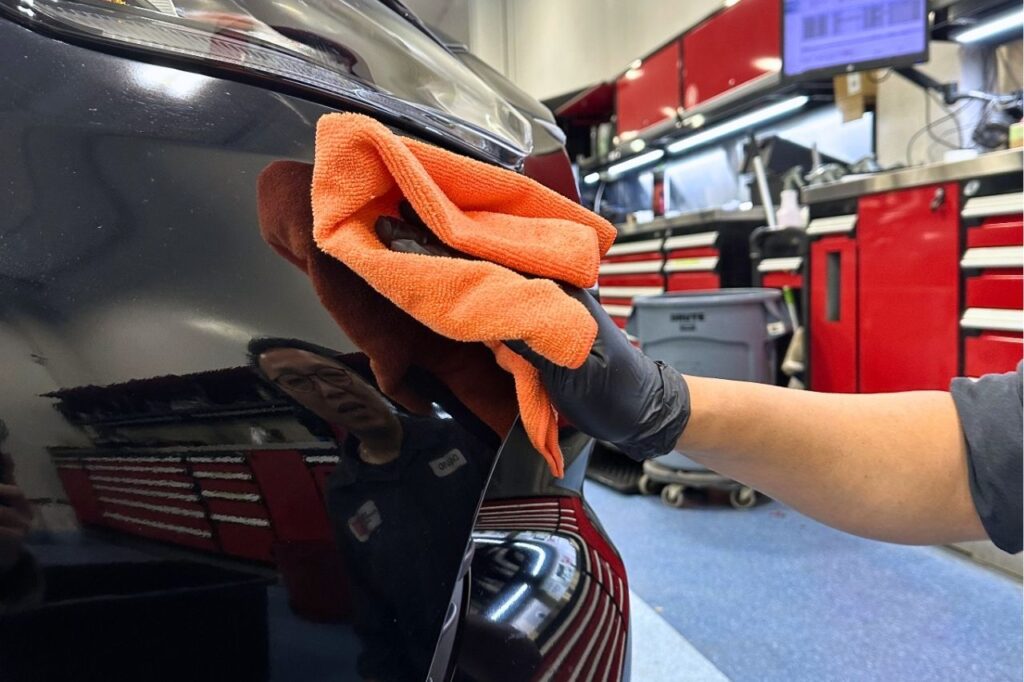
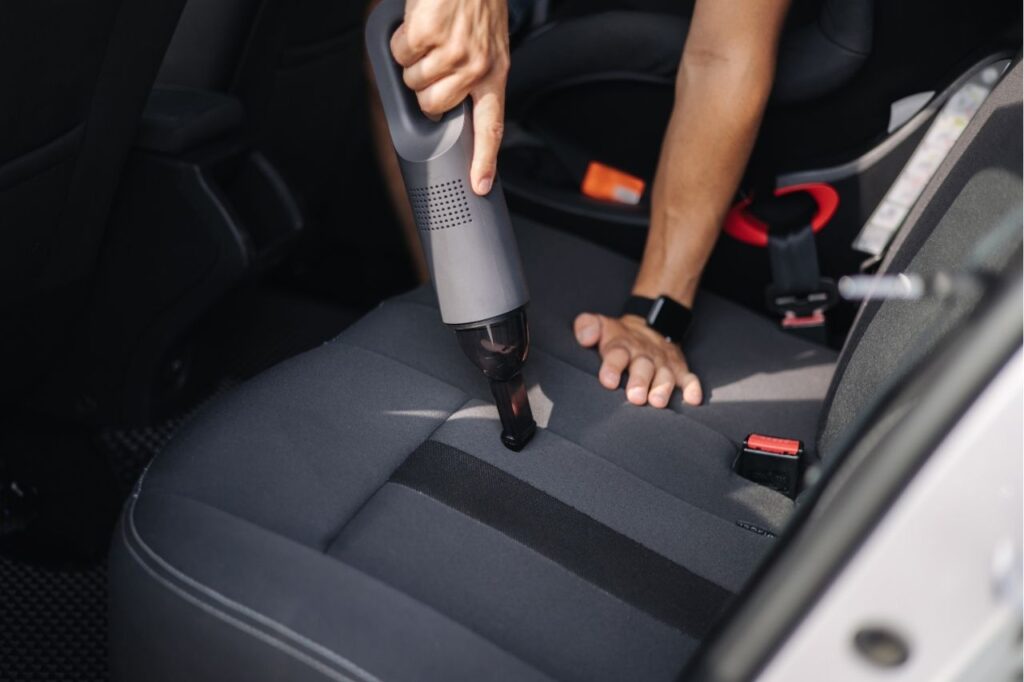
On the exterior, that means a thorough hand wash, paint decontamination, and treatments that protect your vehicle’s finish. On the interior, it means cleaning surfaces that rarely get attention during a regular wash, including vents, door jambs, upholstery, and all the places where dirt and odours quietly build up over time.
A clean vehicle isn’t just about appearance. Regular professional detailing helps protect the long-term value of your investment in a few key ways.
Read: 10 Tips to Prepare Your Car For Trade-In
Both approaches have genuine merit depending on what your vehicle needs. Here’s a balanced look at each.

West Edmonton Mall Toyota offers four levels of detailing service, so you can choose the depth of clean that fits your vehicle and your needs.
Deluxe — The ideal starting point. A complete hand wash, interior clean, deodorizing, and vehicle inspection.
Premium — Everything in the Deluxe package, plus wax and tire shine for added paint protection and a showroom finish.
Ultimate — The deepest level of service. Complete interior shampooing and paint restoration, ideal for vehicles that need a full reset.
À La Carte — Individual services are also available if you need a specific treatment rather than a full package.
Full pricing details are available HERE.
One of the advantages of detailing at WEM Toyota is the location. While your vehicle gets the full-service treatment from our detail team, you can grab lunch on BRBN St., catch a movie at Scotiabank Theatre, or get some shopping done, all without leaving the mall.
Our detail team works on all makes and models, not just Toyotas. So whether you drive a RAV4 or a pickup truck, the same level of care applies.
Read: 7 Top Things To Do At West Edmonton Mall
For regular maintenance washes, DIY works fine. But when it comes to protecting your paint, deep-cleaning the interior, or restoring your vehicle after a tough season, professional detailing delivers results that a hose and a sponge simply can’t match.
It’s also worth thinking about detailing as part of your vehicle’s long-term care, not just a one-time treat. A vehicle that receives regular professional attention holds its condition better, costs less to maintain over time, and retains stronger value over time.
Ready to see what a professional detail can do for your vehicle? West Edmonton Mall Toyota’s detail team is ready to help.
Book your detail service online HERE, or visit us at 8882 170 St NW, Edmonton, inside West Edmonton Mall.
Did you know that we also offer an express oil change service and a parts drive-thru? Follow us along on our socials to learn more.
Picking up car parts in Edmonton doesn’t have to mean waiting in line or rearranging your schedule. At West Edmonton Mall Toyota, our Parts Drive-Thru makes the process fast, straightforward, and completely on your terms.
Here’s how it works.
Our Parts Drive-Thru connects directly to our Parts Department, right here inside West Edmonton Mall Toyota. You drive in, tell us what you need, and drive out — no mall parking required.
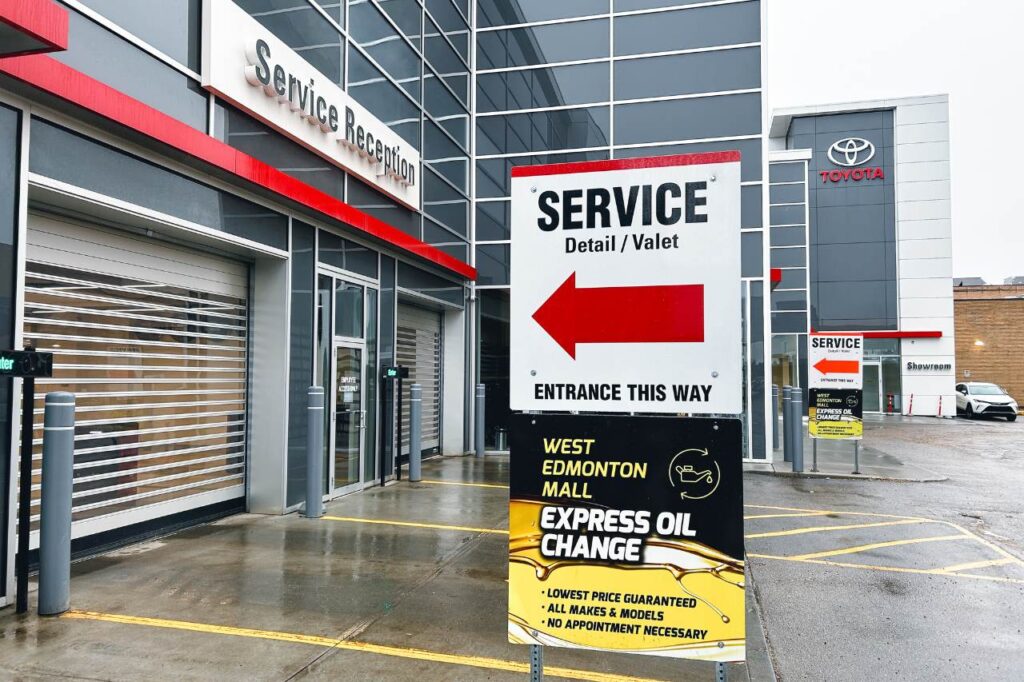
The process is simple. Here’s how it works from start to finish.
Head to the Service Reception entrance of West Edmonton Mall Toyota. You’ll spot our service bay doors; drive straight in and let the team know that you’re here for parts. They’ll direct you where to park.
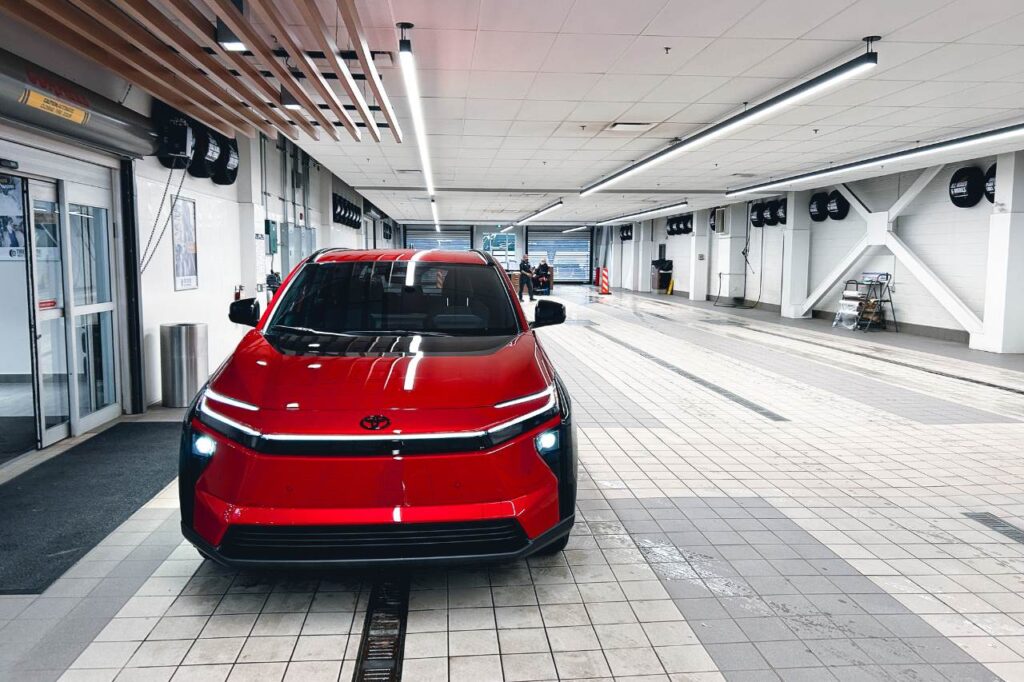
Next, walk through to our Parts Department counter. You’ll find a well-stocked space with Toyota Genuine Parts, accessories, and a team that knows its stuff.
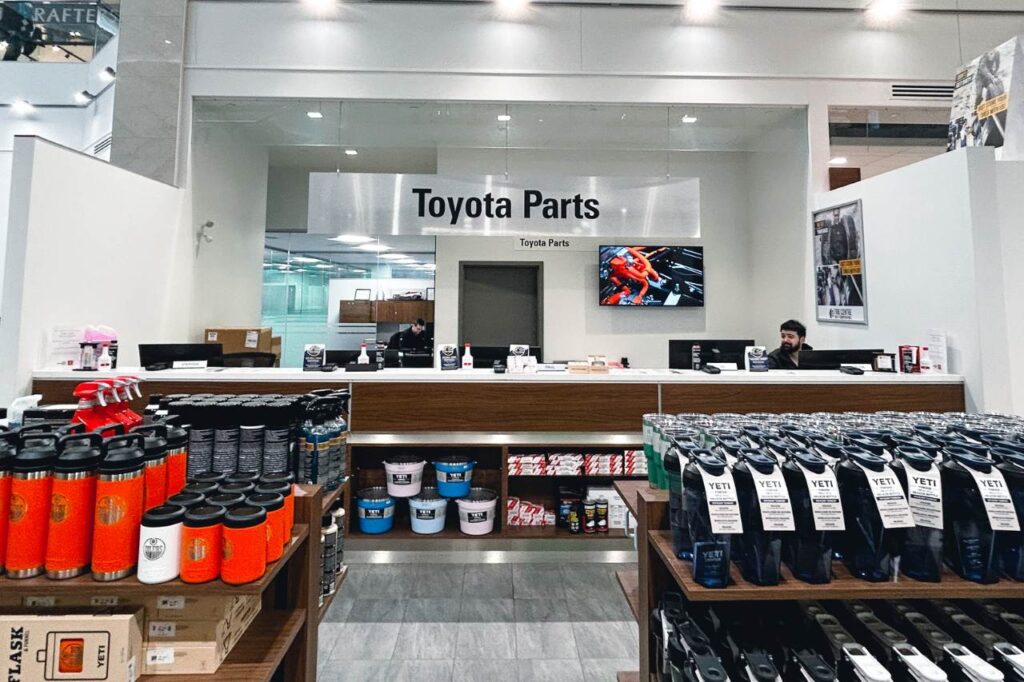
Our Parts Advisors will help you find exactly what you need, whether that’s a specific OEM component, a seasonal accessory, or something you’re not quite sure how to describe. They’ll get you sorted quickly.
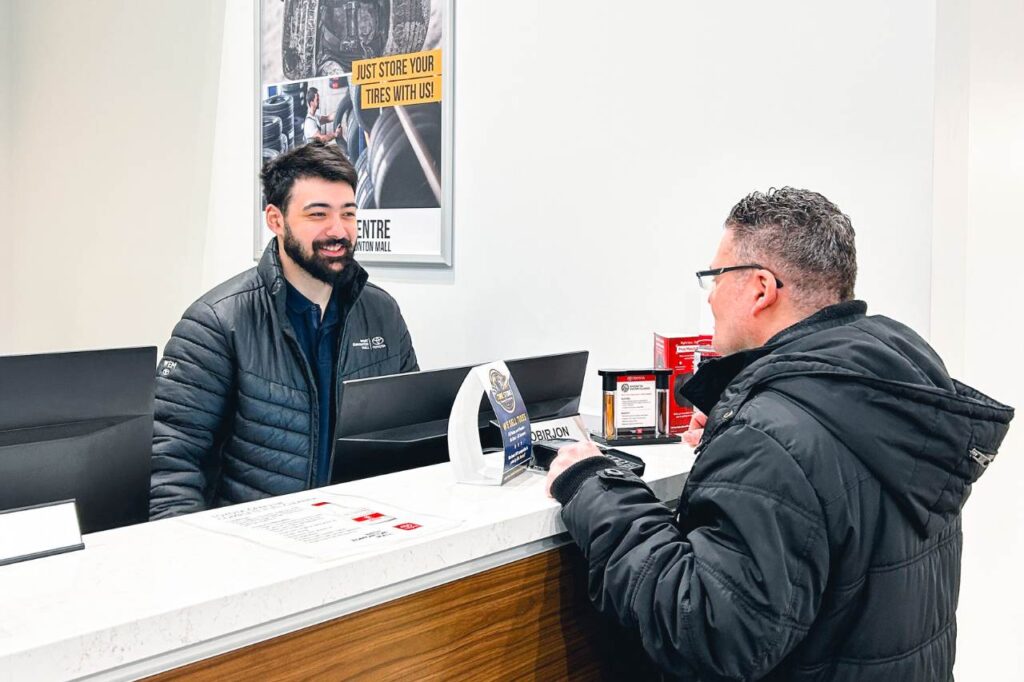
You can also shop for tires! Our tire centre offers a wide range of tires for all makes and models. We’ll match a competitor’s price on eligible tires and beat it by 5% with our price match guarantee.
Once you place your order or grab your parts, head back to your vehicle. Our team handles pickups and payments right at the Toyota Service desk — quick and stress-free.
Finally, drive out with your Toyota parts and get on with your day. No parking headaches and no long waits.
The Drive-Thru is just one piece of it. Edmonton drivers keep coming back to our Parts Department for a few key reasons.
We offer a wide selection of Toyota Genuine Parts, engineered specifically for your Toyota model. OEM parts deliver a better fit, better reliability, and better long-term value than aftermarket alternatives.
Not sure about the difference between OEM and aftermarket? Our Parts Advisors are always happy to walk you through it.
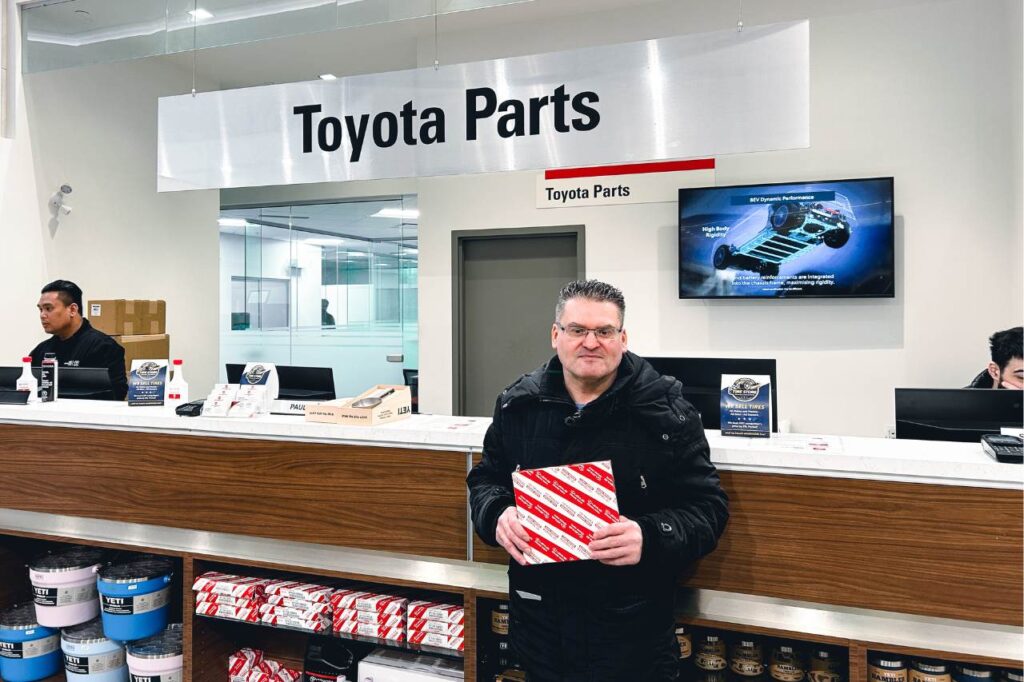
West Edmonton Mall Toyota operates the largest Toyota service centre in Canada. That means we carry a deeper parts inventory, employ more knowledgeable staff, and give you faster access to what you need. You can book a service appointment with our technicians HERE.
Our department also stocks a full selection of accessories and lifestyle products, including:
In other words, we stock everything you need to keep your Toyota running and equipped exactly the way you want it.
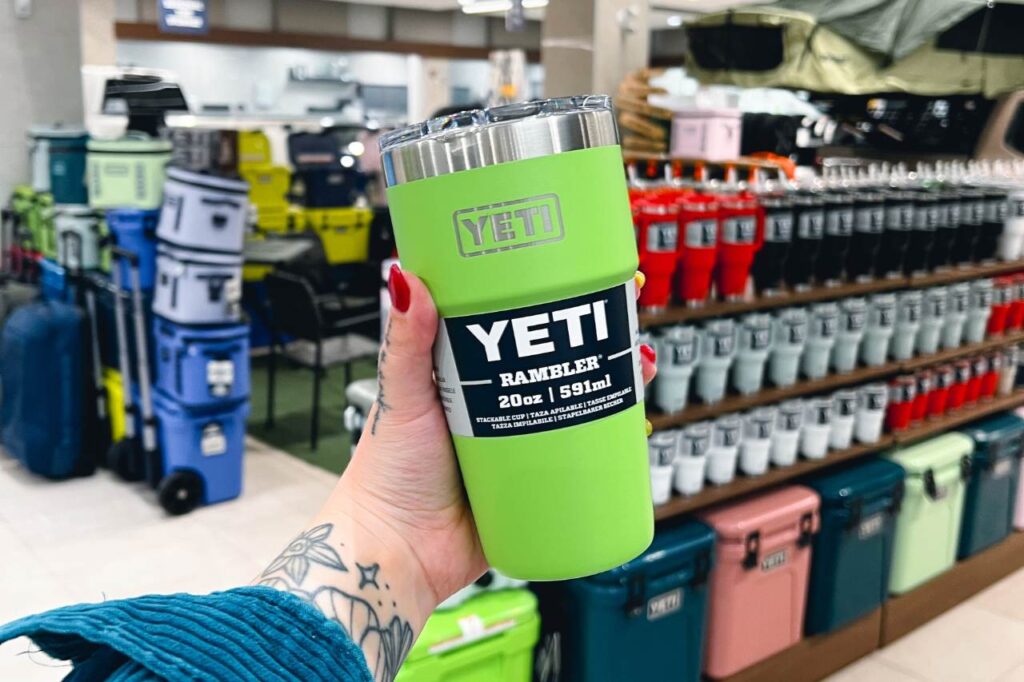
Our Parts Department stays open Monday to Saturday from 9 AM – 9 PM and Sunday from 10 AM – 6 PM. We’re here when you need us, thanks to our convenient hours.
Whether you need a specific Toyota part in Edmonton, want to stock up on accessories for the season ahead, or simply want to see what we carry, our team is ready to help.
Swing by the Parts Drive-Thru at West Edmonton Mall Toyota today!
Shop our Parts Centre online or visit us in person at 8882 170 St NW, Edmonton, right inside West Edmonton Mall.
Need a service appointment while you’re at it? Book online here.
With Alberta still shaking off winter in March, West Edmonton Mall (WEM) offers the perfect indoor escape. It isn’t just a shopping centre, it’s a full-day (or a full weekend) experience. Whether you’re planning a family outing, date night, staycation, or simply dropping your vehicle off for service, there’s no shortage of things to do.
Here are 7 of the top experiences you won’t want to miss at West Edmonton Mall.
Home to some of the world’s largest indoor rides, Galaxyland delivers big adrenaline in a climate-controlled setting. From roller coasters to family-friendly attractions, it’s one of our favourite family-friendly activities at West Ed.

It’s a go-to stop for families, friend groups, and anyone who loves a little excitement.
Yes, there’s a full indoor beach in Edmonton.

The World Waterpark features massive slides, a wave pool, private cabanas, and year-round tropical vibes. Whether you’re swimming, relaxing poolside, or racing down water slides, it’s one of the mall’s most iconic attractions.
Looking for something low-key? The Scotiabank Theatre offers comfortable seating, premium formats, and all the movie-night essentials.

It’s the perfect way to unwind while your vehicle is being serviced or to wrap up a full day of shopping and activities.
Hungry? You won’t be short on options. From casual bites at the food courts to full-service restaurants, the mall’s themed streets bring a unique twist to every meal.
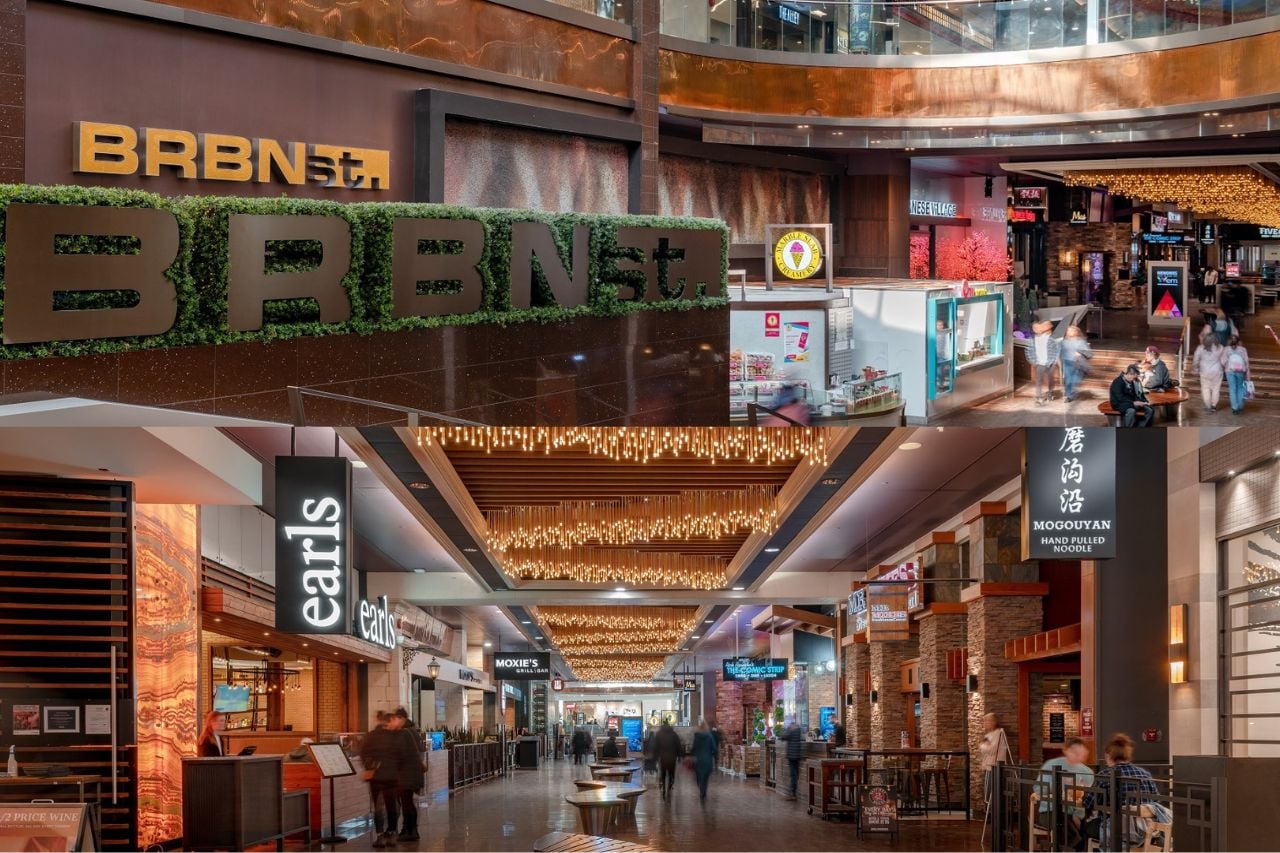
For a mix of dining and entertainment, check out The Rec Room, where you can enjoy games, arcade fun, and casual eats all under one roof. Whether it’s a post-shopping snack, a date night, or a group outing, these spots make mealtime an experience in itself.
Did you know? The Cactus Club is located just outside the mall, next to our West Edmonton Mall Toyota location.
West Edmonton Mall is known for its massive retail selection. Whether you’re updating your wardrobe or browsing for something special, you’ll find major brands and unique boutiques.
Some of the most popular stops include Zara, Aritzia, Simons, Lululemon, Sephora, Apple, and Anthropologie.
You can easily spend hours exploring the different wings of the mall.
Looking for something different? Then, West Edmonton Mall has got you covered.

There’s truly something for every age group and interest level.
Surprisingly, one of the top experiences at West Ed is actually automotive!
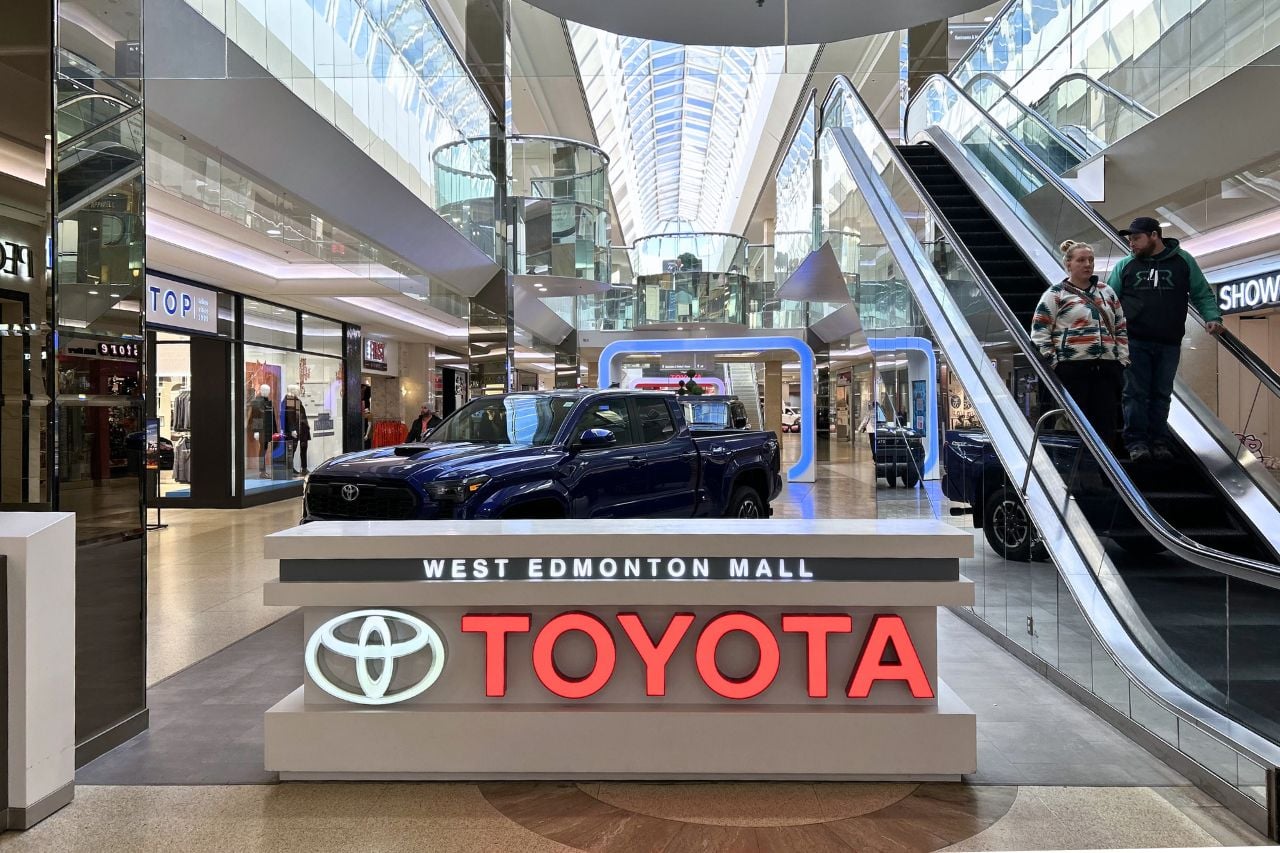
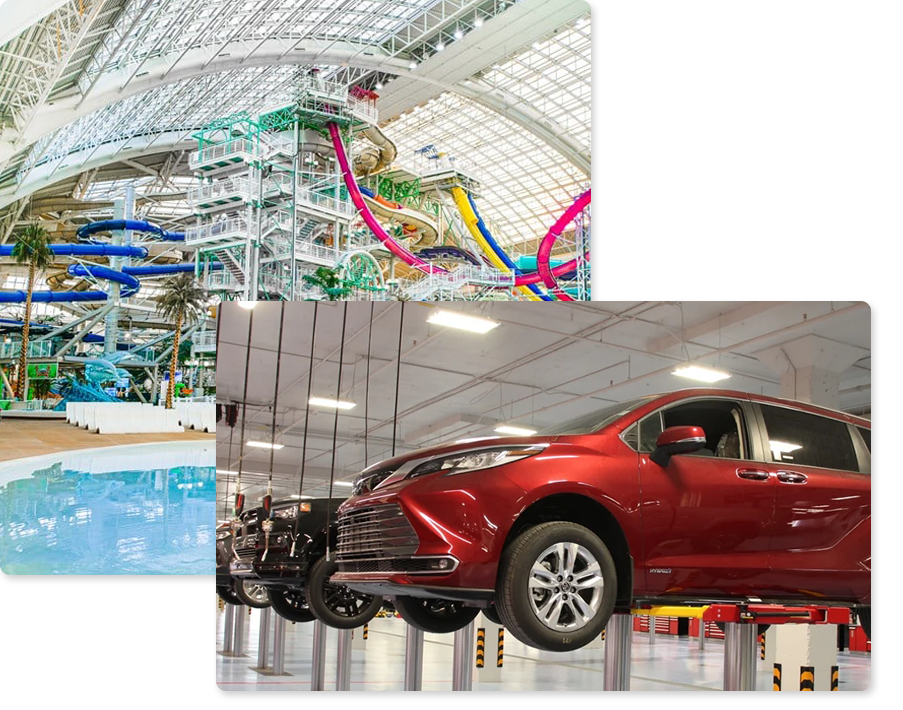
West Edmonton Mall Toyota is the largest Toyota dealership in Canada, uniquely located right inside the mall.
That means you can:
Instead of sitting in a waiting room, you can explore the mall, grab a meal on BRBN St., catch a movie, or even hit the waterpark while your vehicle is being serviced.
It’s convenience redefined and something you won’t find at most malls worldwide.
Did you know that we have a convenient, no-appointment-needed Express Oil Change service? Read more about it HERE.
West Edmonton Mall isn’t just about shopping; it’s about experiences. From rides and restaurants to skating, swimming, and even upgrading your vehicle, you can build an entire day (or weekend) around everything under one roof.
Planning your next visit?
Then don’t forget to book a service appointment or schedule a test drive at West Edmonton Mall Toyota.
Working at West Edmonton Mall Toyota isn’t just another dealership job — it’s a genuinely different kind of automotive career.
Working at West Edmonton Mall Toyota isn’t just another dealership job — it’s a genuinely different kind of automotive career. Located inside North America’s largest shopping, dining, and entertainment destination, our store brings together the pace of a high-volume Toyota dealership with the energy of a place people actually want to be every day. It’s busy, it’s social, and it never feels routine.
What we offer our team starts with stability and opportunity. As a high-traffic Toyota dealership, we’re consistently active year-round, which means steady work, strong earning potential, and real room to grow. Whether you’re in sales, service, parts, administration, or leadership, you’re supported by proven Toyota training programs, clear career paths, and a brand that’s known worldwide for quality and long-term success.
The day-to-day experience here is what really sets us apart. Instead of a traditional dealership environment, you’re working in a bright, climate-controlled space surrounded by restaurants, shops, coffee spots, and entertainment — your lunch break options are endless, errands are easy, and after-work plans are built right in. Many of our team members say the mall itself becomes a perk they never want to give up.
Culture matters to us. We’re a collaborative, fast-moving team that values respect, accountability, and a sense of humor. We celebrate wins, support each other through busy days, and believe work should feel rewarding — not draining. New ideas are welcomed, initiative is noticed, and effort is recognized. You’re not just a number here; you’re part of a team that actually knows each other.
If you’re looking for a workplace that combines strong compensation, professional growth, and an environment that’s genuinely fun and unique, West Edmonton Mall Toyota offers something you won’t find anywhere else. This is a place where careers are built, not just jobs filled — and where coming to work feels a little less like work.

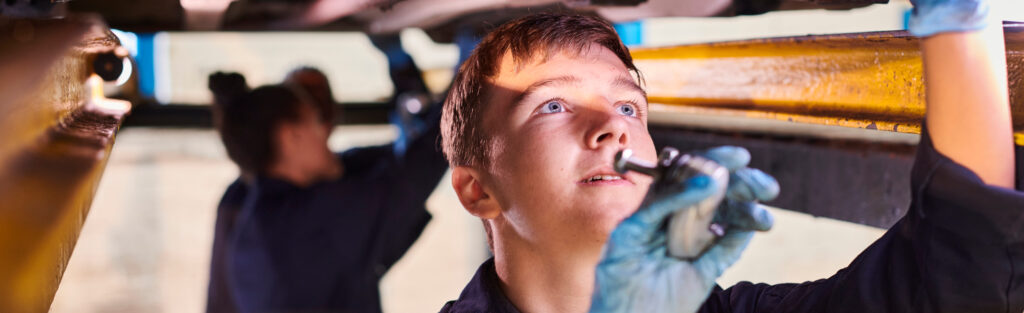
At West Edmonton Mall Toyota, our Service Department isn’t just a place to work, it’s a place to build a career. We are committed to developing our people through ongoing training, hands-on experience, and clear paths for advancement. Whether you’re starting out or bringing years of experience, you’ll have access to manufacturer training, mentorship from experienced leaders, and the opportunity to grow into higher-level roles within the department and across the dealership.
Working inside West Edmonton Mall creates an environment unlike any other dealership. Your workday is fast-paced, energetic, and always busy, with the added benefit of being surrounded by one of the most dynamic retail destinations in the world. From convenient amenities to exclusive staff perks and discounts, it’s a workplace that keeps things engaging and rewarding every single day.
We are always looking for motivated individuals to join our team, including drive-through porters, service advisors, technicians, and lube centre technicians. If you take pride in your work, enjoy being part of a strong team, and want to be in an environment where your effort directly leads to opportunity, West Edmonton Mall Toyota offers a truly unique place to grow and succeed.
Fill out the form below and send us your resume. Our team will contact you when a position becomes available.
At West Edmonton Mall Toyota, our Parts Department is a fast-moving, high-energy environment where opportunity and development go hand in hand. Whether you’re just starting out or bringing experience to the table, we provide ongoing training, mentorship, and clear pathways for advancement. From learning Toyota systems and inventory management to developing customer-facing skills, every role in our parts operation is designed to build a long-term career.
Located inside West Edmonton Mall, this is not your typical parts department. The pace is steady, the volume is strong, and the atmosphere is unlike anywhere else. You’re working in the heart of one of the busiest retail environments in the country, with access to on-site amenities, staff perks, and a workplace that keeps every day interesting.
We are always looking to add driven, reliable team members across all areas of the department, including parts drivers, shipping and receiving, retail parts advisors, front counter parts clerks, and runners. Each role plays a key part in keeping the operation moving efficiently and delivering a high level of service to both internal and retail customers.
If you’re organized, motivated, and take pride in being part of a team that keeps everything running behind the scenes, West Edmonton Mall Toyota offers a unique opportunity to build your future in an environment that rewards effort and growth.
Fill out the form below and send us your resume. Our team will contact you when a position becomes available.
At West Edmonton Mall Toyota, our Sales Department offers an opportunity to build a career with one of the most forward-thinking and award-winning automotive brands in the world, Toyota. This is a place where innovation, reputation, and customer trust come together, giving you the tools and confidence to succeed in a highly competitive market.
We provide a flat rate commission structure that is simple, transparent, and designed to reward performance. Your effort directly translates into earnings, without unnecessary complexity. Combined with a very convenient and balanced schedule, this creates an environment where you can perform at a high level while maintaining consistency and control over your time.
Working inside West Edmonton Mall adds a completely different dynamic to automotive sales. You are positioned in one of the busiest retail environments in the country, with constant foot traffic, built-in exposure, and a steady flow of opportunity every day. The mall itself becomes an extension of your showroom, creating a unique and engaging experience for both you and your customers.
If you are motivated, driven, and looking to align yourself with a globally respected brand while working in an environment that is anything but ordinary, West Edmonton Mall Toyota offers a sales career that stands apart.
Fill out the form below and send us your resume. Our team will contact you when a position becomes available.
West Edmonton Mall Toyota is more than a dealership, it is a uniquely convenient destination for drivers across Edmonton and Northern Alberta. Located directly within West Edmonton Mall, our dealership brings together automotive expertise, modern facilities, and unmatched accessibility, all in one place.
Purchasing a vehicle at West Edmonton Mall Toyota is designed to fit seamlessly into your day. You can explore new and pre-owned Toyota vehicles while enjoying everything the mall has to offer, from shopping and dining to entertainment. This one-of-a-kind location means you can make the most of your time, whether you are browsing the showroom or finalizing your vehicle experience.
West Edmonton Mall Toyota is committed to delivering a smooth, modern ownership experience. From intuitive digital tools to streamlined service scheduling and on-site amenities, every detail is focused on making vehicle ownership easier and more enjoyable. Whether you are purchasing your next Toyota or maintaining the one you already love, our location and approach are designed to work around your life, not interrupt it.
At West Edmonton Mall Toyota, convenience is not an add-on. It is built into everything we do.
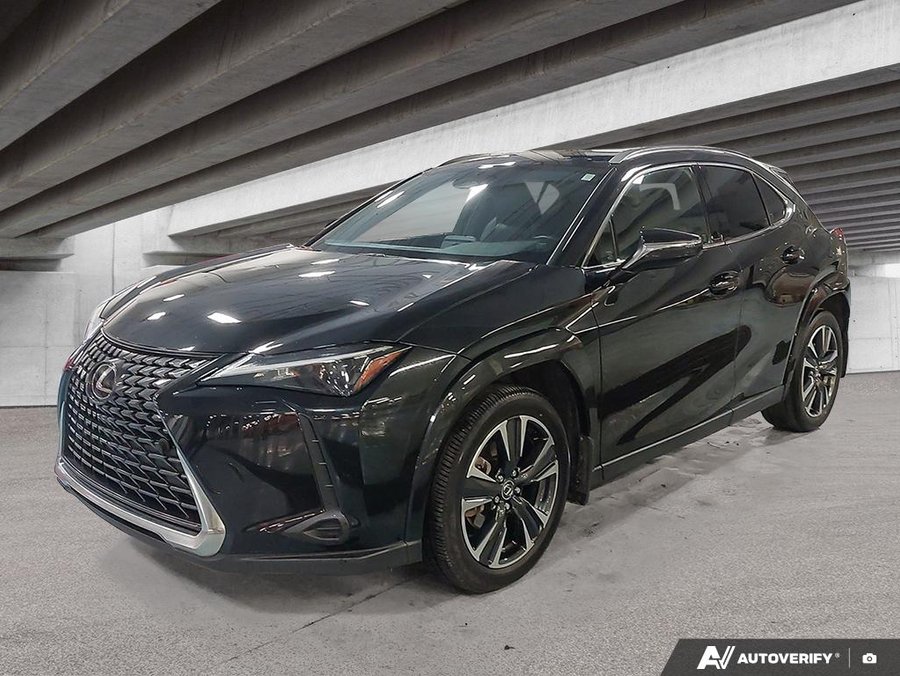
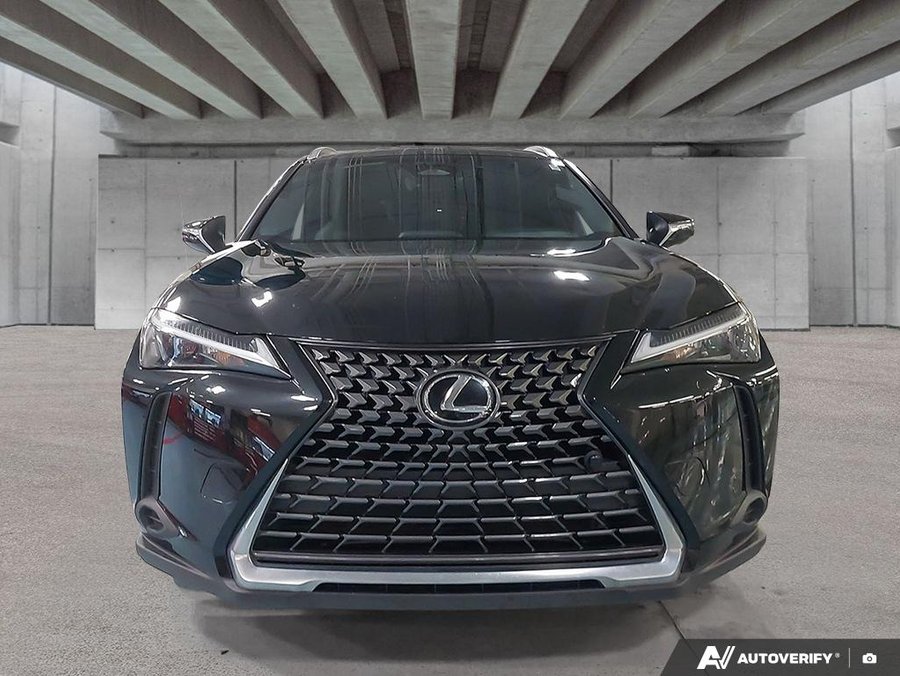
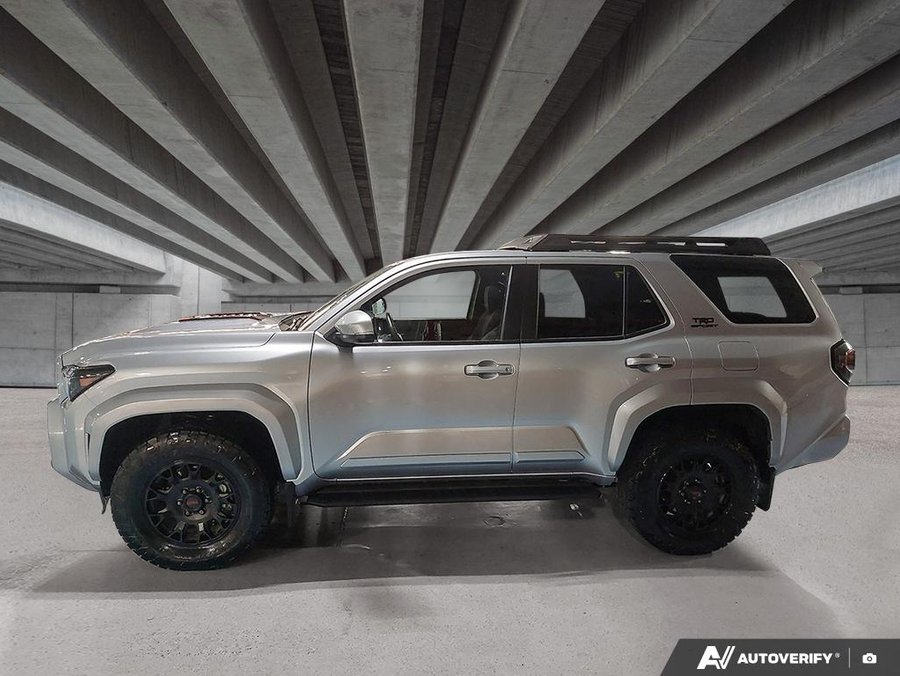
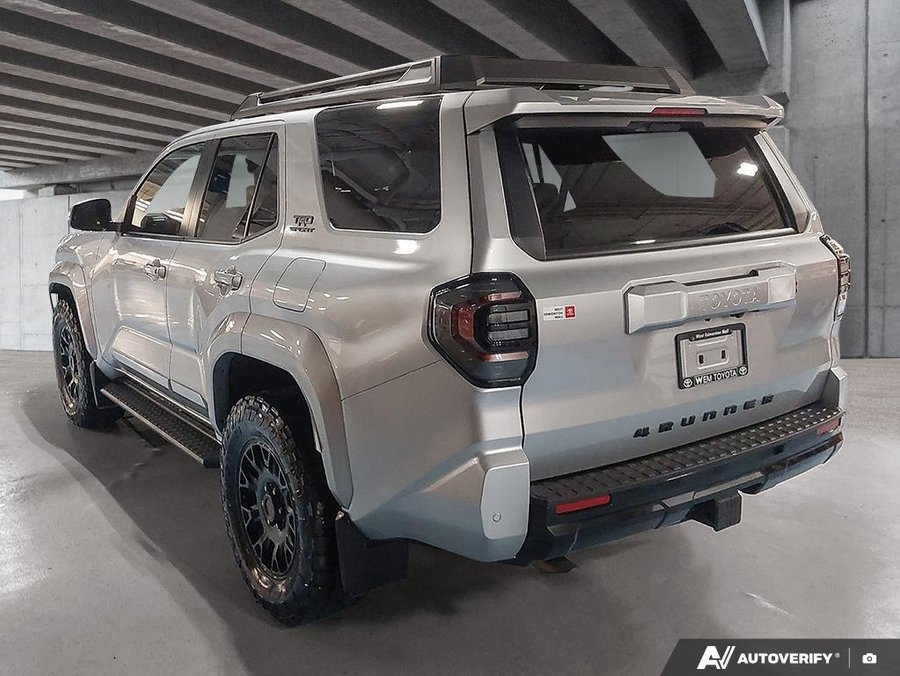
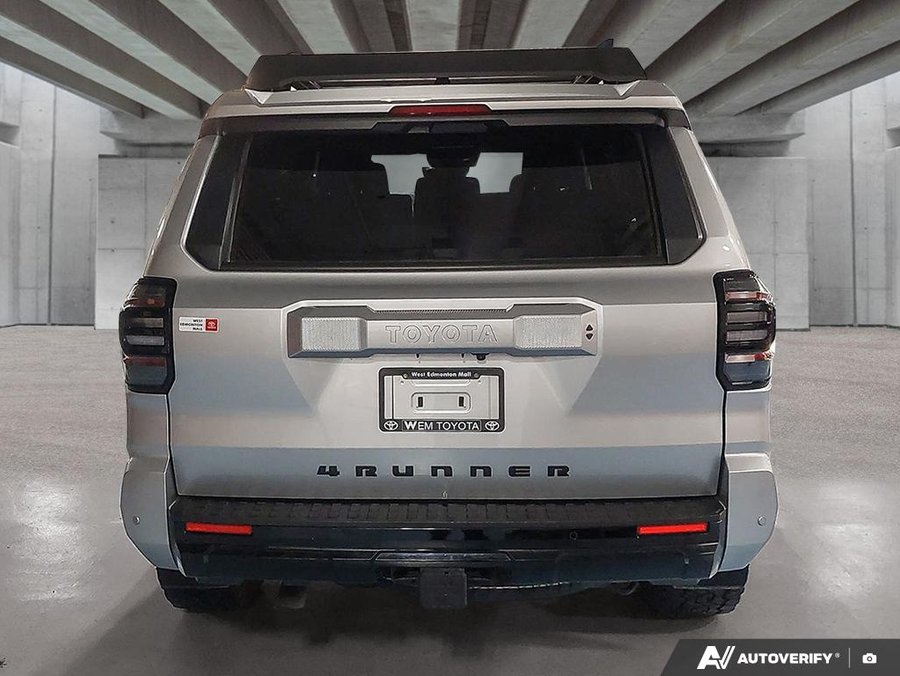
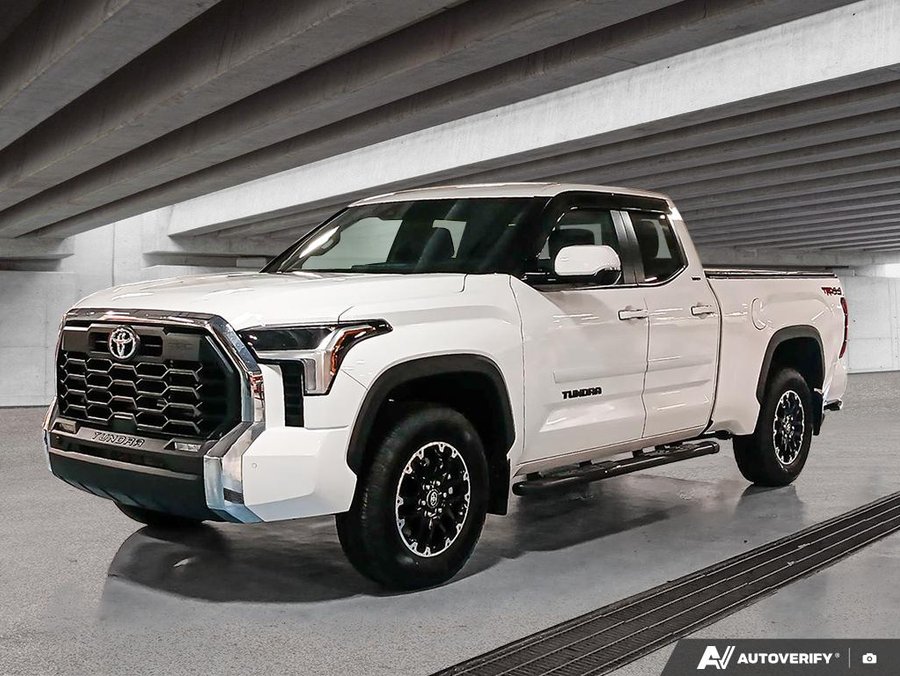
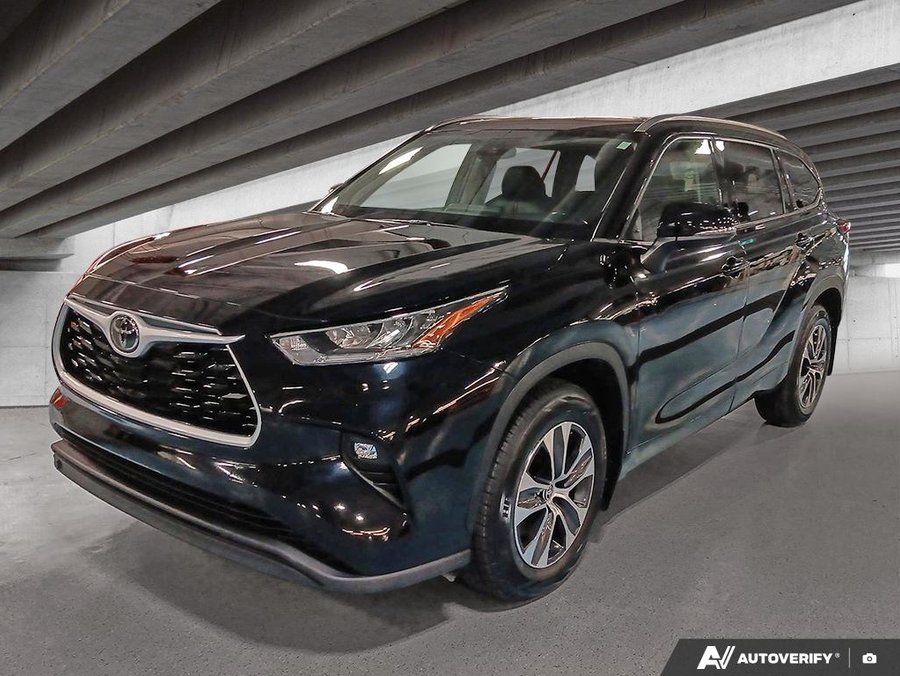
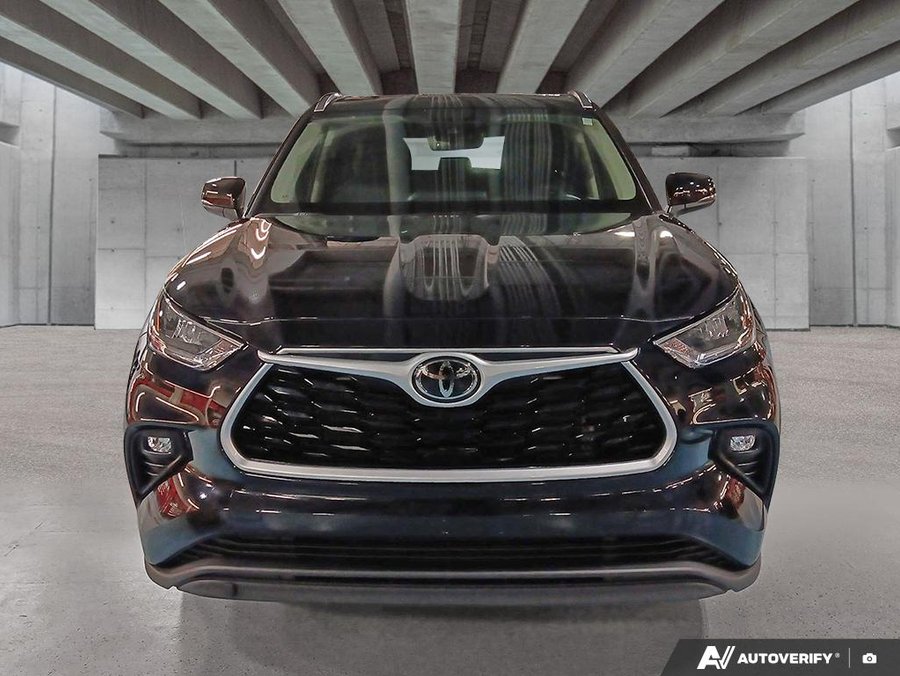
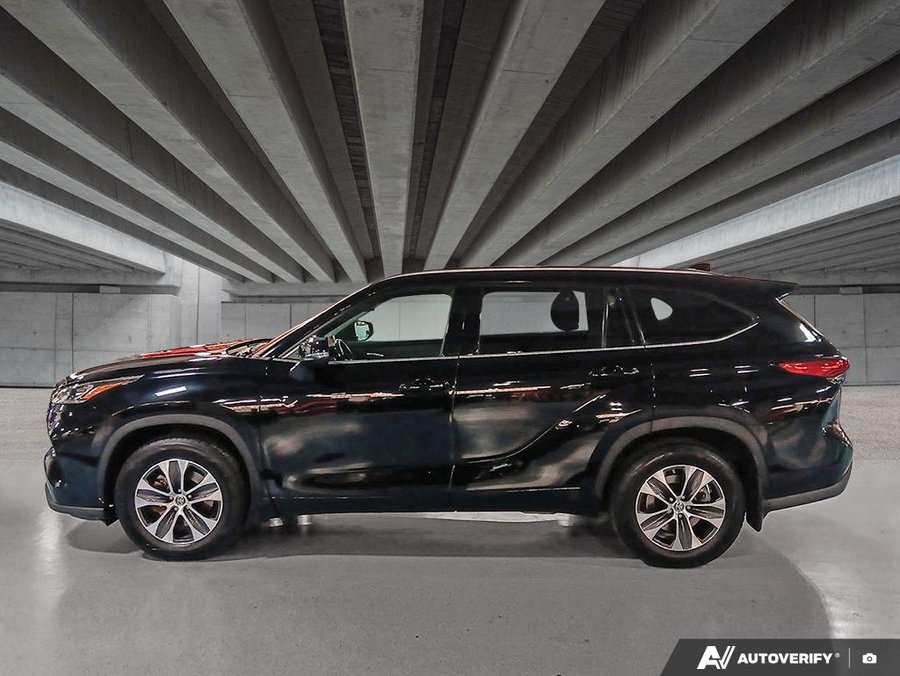
S2600822 - Limited, previously an executive demo, under 15,000km


S2600196 - XLE, previously an executive demo at WEM Toyota
2602078A - 4WD, SR5 with leather, one previous owner, low kms


Winter in Alberta is no joke. Between icy roads, freezing temperatures, and gravel-covered highways, your vehicle works overtime. As the snow melts and temperatures rise, spring is the perfect time to reset, refresh, and protect your investment.
At West Edmonton Mall Toyota, we see it every year: drivers who take a little time in spring to maintain their vehicles avoid bigger (and more expensive) problems later on. Here’s what to prioritize this season.
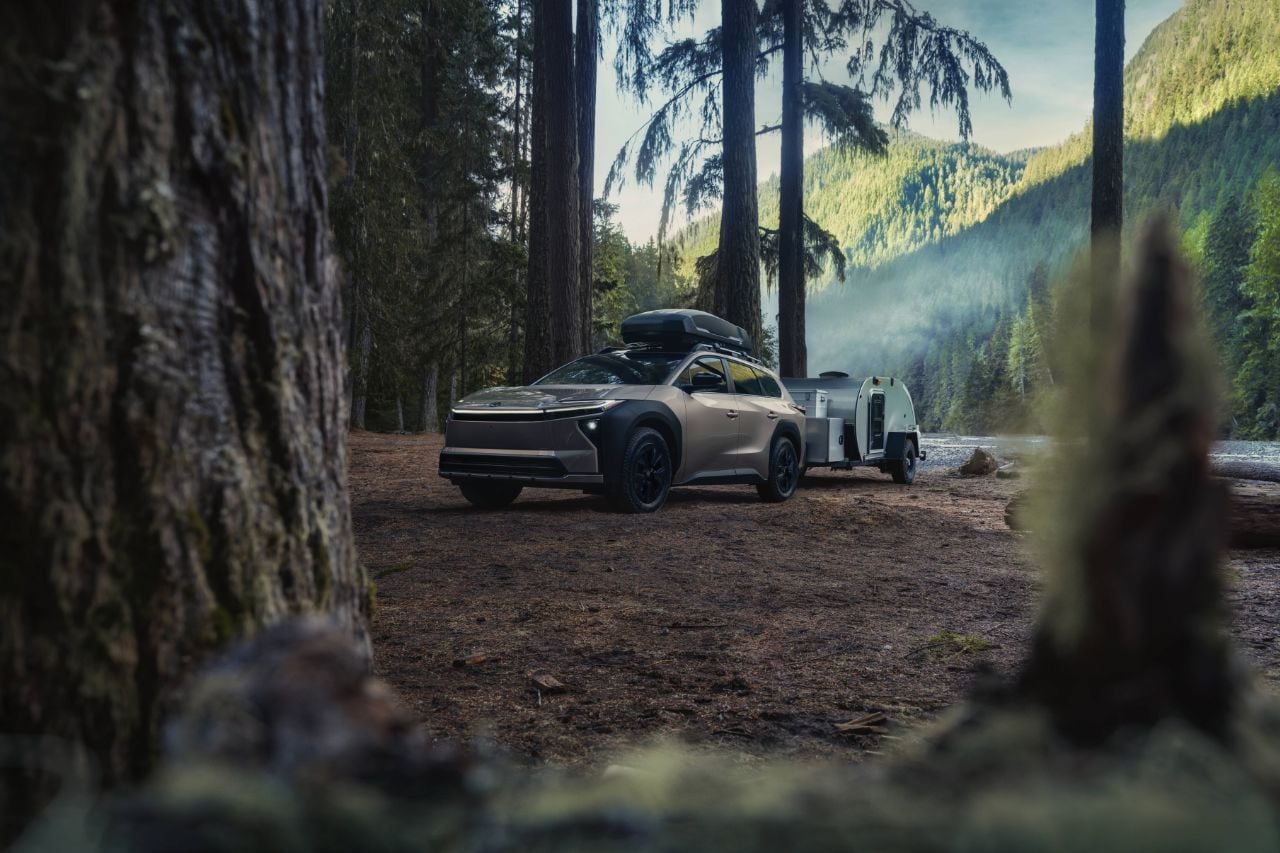
Once temperatures consistently stay above 7°C, it’s time to switch from winter tires to all-season or summer tires.
Winter tires are built for cold conditions. In warmer weather, they wear faster and reduce efficiency.
Swapping them out:
To make it even easier, take advantage of our Swap, Store, Shine promotion. We’ll professionally swap your seasonal tires, store them safely, and give your vehicle a fresh shine so it’s ready for spring driving, without you having to transport or store heavy tires at home.
Snow, moisture, road salt, and stop-and-go driving all impact your braking system.
If you notice:
It’s time for an inspection. Even if everything feels normal, a seasonal brake check adds peace of mind.
Read: 7 Signs Your Brakes Need Replacement
Cold weather reduces battery efficiency. If your battery is over three years old, spring is the ideal time for testing.
Watch for:
A quick battery test can prevent unexpected breakdowns later in the year.
Next on our list of essential car maintenance tips for spring, we recommend keeping an eye on your vehicle fluids. Your vehicle relies on clean fluids to operate efficiently.
Spring is the perfect checkpoint for:
Replacing your cabin air filter is also recommended after winter to improve airflow and interior air quality.
Read: How Often Should You Change Your Oil?
Pothole season in Edmonton can impact alignment and suspension components.
Signs you may need an alignment:
Addressing this early protects your new seasonal tires and improves handling.
Want to learn more about our tire selection? Click HERE.
Salt and debris left behind from winter can cause corrosion if not removed.
A proper spring clean should include:
Not only does this maintain appearance, but it also helps preserve resale value.

Spring showers demand clear visibility. Replace worn wiper blades and ensure all lights, headlights, brake lights, and signals are functioning properly.
The spring car maintenance tips aren’t just routine; they’re preventative care that protects your investment.

Whether you’re booking a tire swap through our Swap, Store, Shine promotion or scheduling a full spring inspection, our certified technicians at West Edmonton Mall Toyota are here to help.
Book your service appointment today and drive into spring with confidence.
Toyota Parts Centre in Edmonton, Alberta
West Edmonton Mall Toyota is your go-to auto parts shop in West Edmonton, Alberta. We carry a vast selection of Genuine Toyota Parts and Toyota Accessories for every Toyota model including the Tacoma, Tundra, 4Runner, Camry, Corolla, Avalon and more.
Our Original Equipment Manufacturer (OEM) parts are supplied by the same manufacturer that originally designed your Toyota. Meaning any replacement part you order through us was built to perfectly fit and work within your vehicle.
Searching for Toyota auto parts in Alberta? Visit us in West Edmonton at 1950-8882 170 Street and see why customers from St. Albert, Stony Plain, and Spruce Grove all choose our Toyota Parts Department over everyone else.
In addition to exceptional customer care and a knowledgeable team of Parts Experts, we deliver quick turnaround times and efficient service. See us in person or order online from the comfort of your home.
We strive to provide convenience for all customers. We are open 7 days a week and open late.

Did you know we carry car parts for all Toyota models? Whether you drive a Corolla, Camry, 4Runner, Toyota Rav4, Avalon, Toyota Sienna, Prius or another Toyota model, we have replacement parts to get you back on the road again. If you have questions about your specific model, feel free to contact us and our knowledgeable parts team would be happy to assist you.
Calling all Toyota truck owners! We are your one-stop-stop for everything truck parts and accessories. Our truck experts are well versed in a variety of Toyota truck performance parts that will take your off road experience to the next level.
Drive a Tacoma, Tundra, RAV4, Highlander, or Sequoia or looking for TRD Pro accessories? West Edmonton Mall Toyota has new, OEM and aftermarket Toyota auto parts and accessories perfect for your next backroad adventure. Order online or speak to an expert today!
Whether you’re driving around Aurora, across Canada, or into the U.S., Toyota Roadside Assistance is here to give you peace of mind. Our dedicated service team is available 24/7, so help is always just a call away.
Towing for Mechanical Breakdown or Accidents
If your vehicle breaks down or is involved in an accident, we’ll tow it to your preferred Toyota dealer within 50 km, or the nearest dealer within 300 km. In accident cases, we can also tow your vehicle to an Accident Reporting Centre if required by your municipality.
Battery Boost
If your battery dies, we’ll provide a jump-start. If the vehicle still won’t start, we’ll tow it based on the same terms as mechanical breakdown coverage.
Lockout Assistance
Locked your keys inside your Toyota? We’ll send help to attempt entry. If access can’t be gained, your vehicle will be towed under your standard towing benefits. (Note: replacement keys and labour costs are not covered.)
Fuel Delivery
Run out of fuel? We’ll deliver up to 5 litres of gasoline to get you moving again—at no additional charge.
Flat Tire Change
If you have a flat, we’ll install your usable spare tire. (Tire repairs are not included. Check out our Tire Centre for the best prices around!)
Winching Service
If your Toyota gets stuck in a ditch, snow, or mud, we’ll arrange winching service to pull it back onto the nearest roadway—as long as it’s accessible from a regularly traveled route. If your vehicle can’t drive after being winched, it will be towed under your accident towing coverage. (Please note: this does not apply to vehicles stuck in snow-covered driveways or parking lots.)

Beyond roadside services, Toyota Roadside Assistance includes travel benefits like trip interruption coverage and personalized travel planning—designed to keep your journey on track even when the unexpected happens.
Call us at : 1-888-869-6828
As a Toyota owner or lessee, you will be notified by mail if your vehicle needs a Safety Recall, Limited Service, or if you are eligible for the Warranty Enhancement Program. The following Recall Campaigns are how we help maintain the quality and safety of your vehicle.
Inspections and/or repairs performed under the Safety Recall Campaign are completed at no charge. These recalls are launched if Toyota discovers a defect or a non-compliance with the Canadian Motor Vehicle Safety Act and are essential to ensure your vehicle is safe and road ready.
The Limited-Service Campaign is offered for a limited period and is meant to address non-safety or technical vehicle concerns. We notify our customers when this is available to them. Toyota does these inspections and/or repairs at no charge to the vehicle owner or lessee. We urge all our customers to use this program when they are eligible.
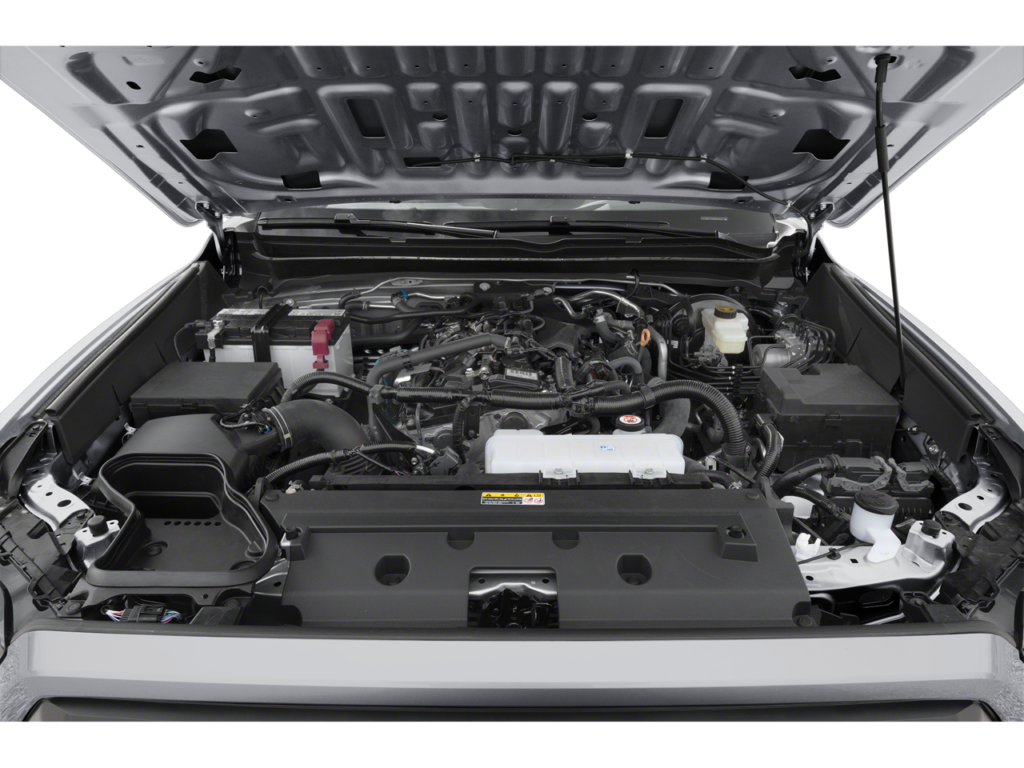
Toyota will sometimes improve the coverage on certain vehicle components. The Warranty Enhancement Program has a mileage and/or time limits, as well a specified conditions for vehicle eligibility. We will help you determine if your vehicle fits the conditions to get the warranty work done to your vehicle at no charge to the vehicle owner or lessee.
Leave your vehicle in the hands of our service experts while you make the most of your day at West Edmonton Mall. Whether your Toyota needs regular maintenance, an inspection, or repairs, our qualified team will take care of it with professionalism, efficiency, and attention to detail. In the meantime, you can shop, grab a bite to eat, relax, or simply go about your day in one of the largest shopping malls in the world.
With us, servicing your vehicle also means enjoying the convenience, comfort, and peace of mind that come with a trusted Toyota dealership.
Our new app allows you to earn points and save money! You can also see exclusive West Edmonton Mall Toyota offers and receive discounts all over West Edmonton Mall.