Sales: (780) 420 1111
Service & Parts: (780)420 1111


West Edmonton Mall Toyota was built around our guests. Servicing your vehicle is a necessity, but it does not need to feel like a chore. Whether you drive a Toyota or any other brand, our goal is to make vehicle maintenance easier, more comfortable, and more convenient.
Pull into our large indoor Service check-in, hand us the keys, and go about your day at West Edmonton Mall. Shop, eat, run errands, catch a movie, or simply enjoy your time while we take care of your vehicle. There is truly nothing else like it.
Forget the traditional service station wait. Our expansive, state-of-the-art Service Check-in area is designed for quick, hassle-free drop-off. Simply bring your vehicle in, hand over the keys, and the dedicated WEM Toyota team will take expert care of the rest.

West Edmonton Mall. You are free to go about your day immediately. Instead of waiting in a lounge, you can enjoy a world-class shopping experience, dine at exceptional restaurants, take care of errands, or simply enjoy the numerous entertainment options the mall provides. Your necessary vehicle service becomes an integrated, enjoyable part of your schedule, allowing you to reclaim your valuable time. This seamless integration of automotive care with lifestyle convenience is what makes the Toyota West Edmonton Mall experience truly revolutionary.
Leave your vehicle in the hands of our service experts while you make the most of your day at West Edmonton Mall. Whether your Toyota needs regular maintenance, an inspection, or repairs, our qualified team will take care of it with professionalism, efficiency, and attention to detail. In the meantime, you can shop, grab a bite to eat, relax, or simply go about your day in one of the largest shopping malls in the world.
With us, servicing your vehicle also means enjoying the convenience, comfort, and peace of mind that come with a trusted Toyota dealership.
Your brakes are your vehicle’s most important safety system, yet they’re also one of the most overlooked. Knowing the signs your brakes need replacement helps you avoid costly repairs and stay confident behind the wheel through every season.
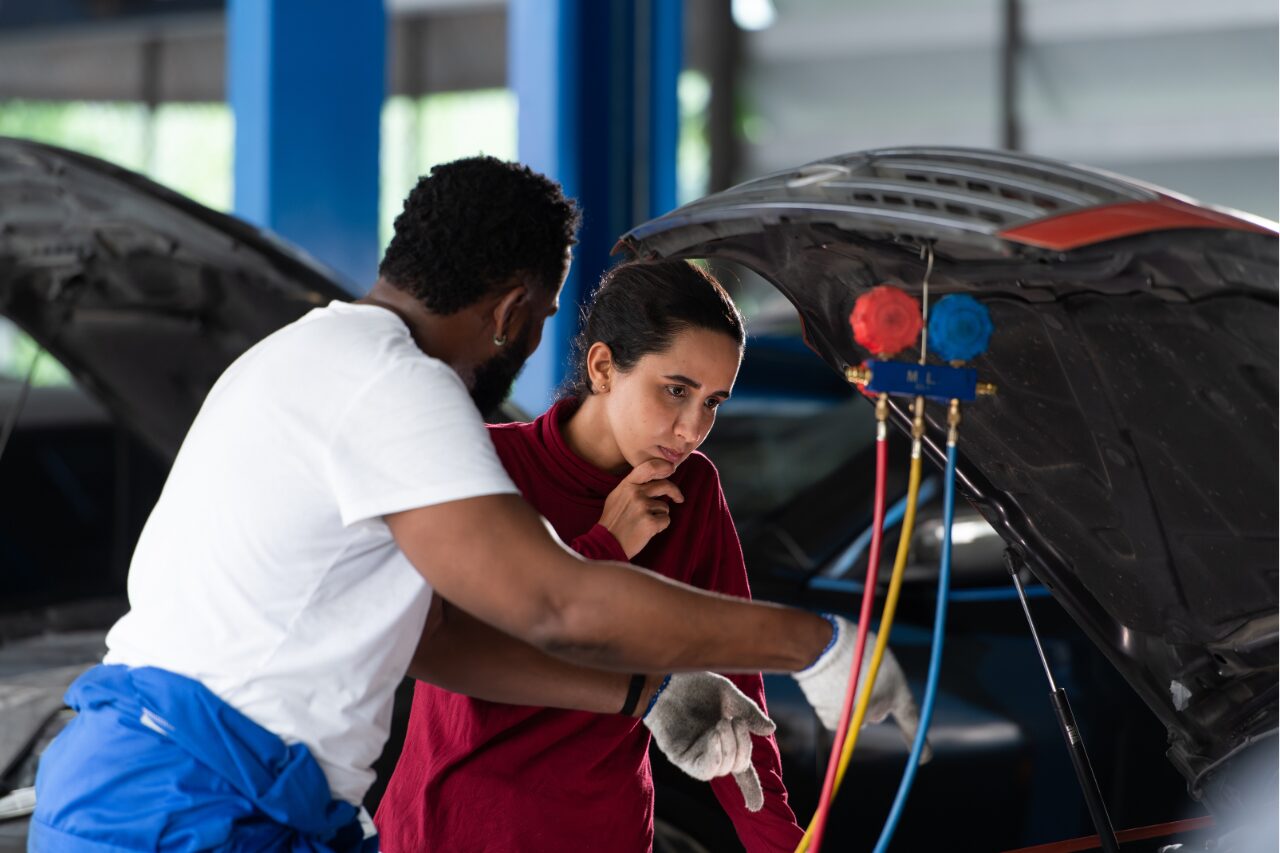
Below, you’ll learn the most common warning signs, when to replace your brakes, how seasonal driving affects brake wear, and when to book an inspection at West Edmonton Mall Toyota for expert, Toyota-certified care.
A high-pitched squeal during braking often comes from a built-in wear indicator. These small metal tabs alert drivers when brake pads begin thinning, making this one of the earliest signs your brakes need replacement.
A grinding noise is more serious. It usually means that the brake pad material is fully worn, and the metal components are now in contact with the rotor. Driving this way can quickly damage the rotor, resulting in increased repair costs.
If you hear grinding, book a service appointment right away.

Your dashboard brake warning light isn’t something to ignore. Even if it’s a small sensor issue, it’s still worth getting checked. Brakes are one system where early action matters.
If the steering wheel or brake pedal vibrates when you slow down, your brake rotors may be warped. This often happens over time or after repeated hard braking, especially during winter driving when rotors heat and cool quickly.
A soft pedal could indicate air in the brake lines, low brake fluid, or a hydraulic issue. All require prompt inspection to ensure safe stopping power.
If you find yourself needing more room to stop, even slightly, it’s a clear sign the system isn’t performing at full strength. Worn pads, low fluid, or uneven rotors can all contribute.
If your car veers left or right when you brake, one side of the system may be wearing faster than the other. This can happen due to stuck callipers or uneven pad wear.
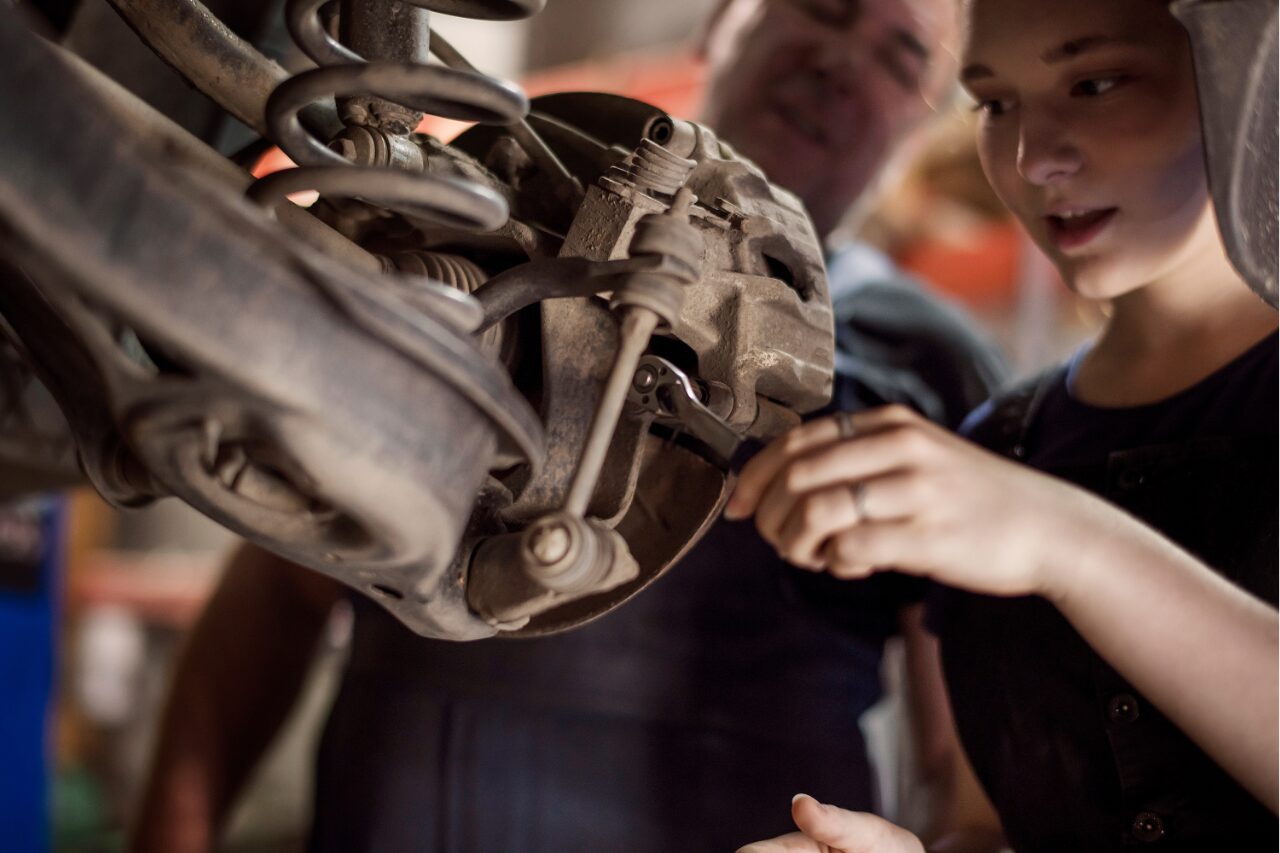
While the signs above give you clear indicators, many drivers wonder about timing. As a general guideline:
A Toyota-certified technician at West Edmonton Mall Toyota can give you precise timelines based on your model and driving habits.
Brake performance isn’t the same all year, especially in Alberta. Temperature, moisture, and road conditions play a big role.

Checking your brakes at least twice a year, once before winter and once in spring, helps you stay ahead of seasonal wear.
What you can check yourself:
What a professional inspection covers:
Pad thickness, rotor condition, brake fluid quality, callipers, and electronic brake systems are areas that aren’t visible without removing the wheels. During your next service appointment, our Toyota-Certified Technicians can assess all brake components and catch issues before they affect safety.
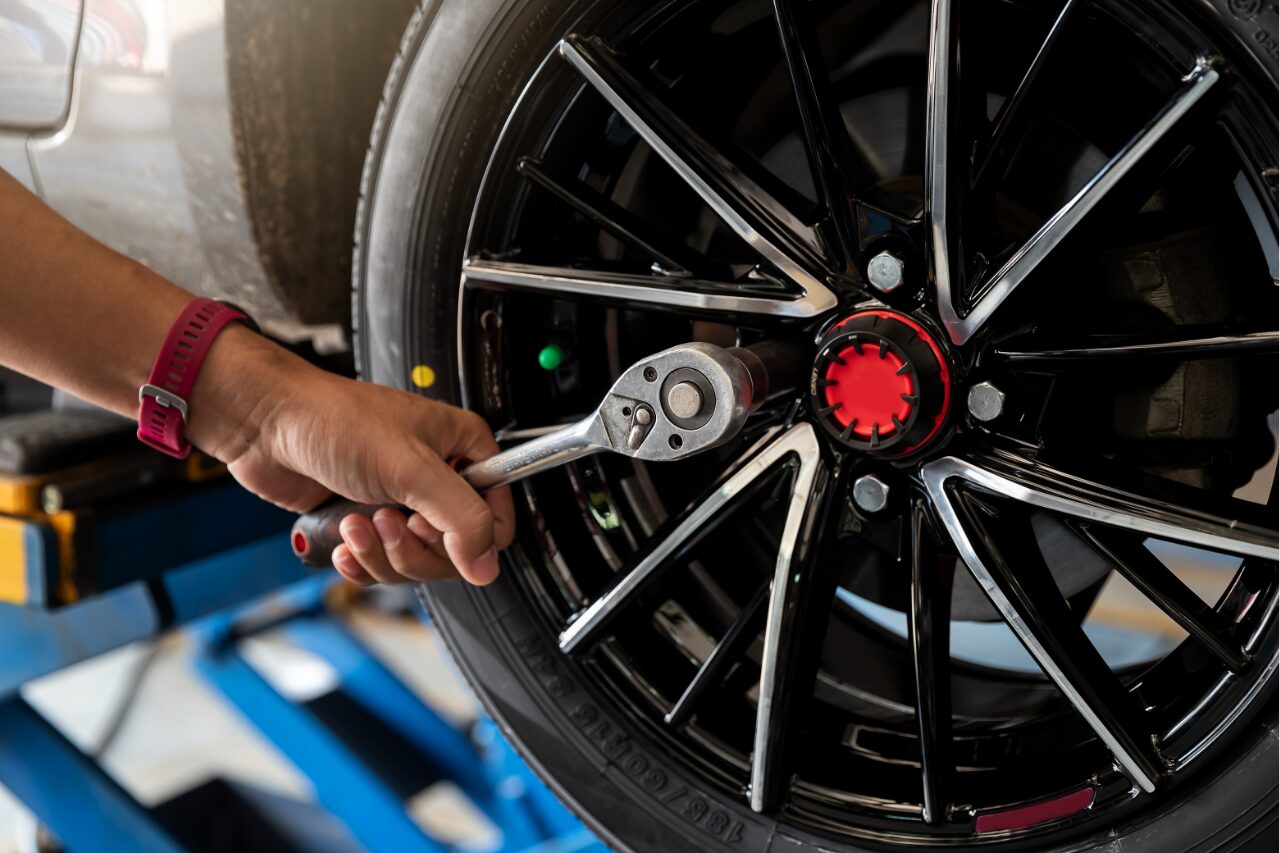
Let’s clear up a few myths that often confuse drivers.
Not always. Some Toyota brake wear indicators are designed to make noise. That being said, many issues like uneven rotor wear or seized callipers develop silently. By the time sounds appear, the problem may already be advanced.
Brake fluid naturally absorbs moisture. According to industry testing, fluid contaminated with as little as 3% water can reduce braking power and cause internal corrosion. This is why Toyota recommends periodic fluid checks and replacements based on driving conditions.
Below is an example of what a brake warning light may look like on your dashboard.
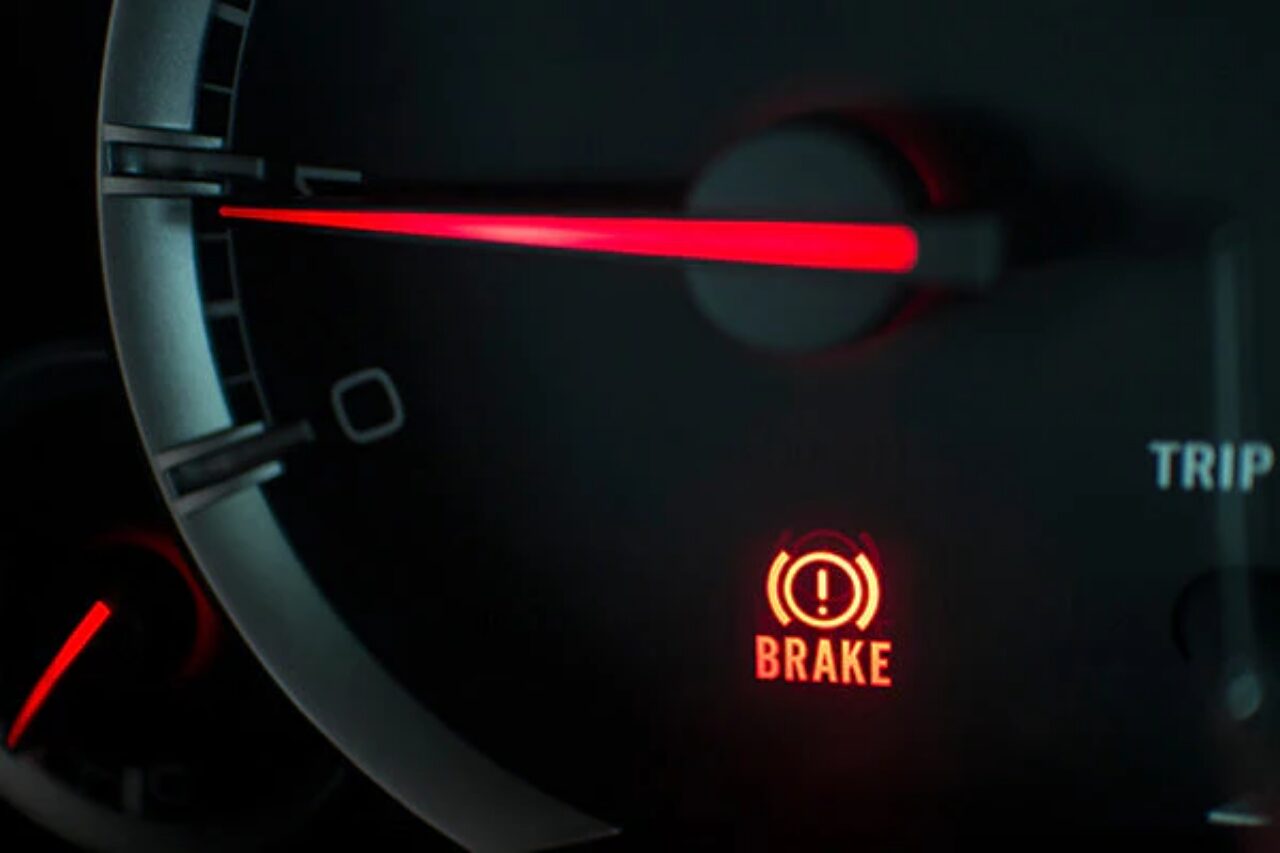
Brake warning lights only appear when a system detects a serious issue. These can be low fluid, pressure loss, or electronic failure. They don’t measure pad thickness. Manual inspection remains the most reliable way to know where your brakes stand.
A Toyota braking system is designed with precision, so it deserves service from factory-trained technicians who understand the engineering behind your vehicle. At West Edmonton Mall Toyota, you get:
If you’re planning to make the most of your visit, explore things to do in West Edmonton Mall while we service your car to turn routine maintenance into a productive (or fun) outing.
When it comes to your brakes, peace of mind matters.
If you’ve noticed any of the signs above, or if it’s been a while since your last inspection, now’s the perfect time to get your brakes checked by a Toyota specialist.
Book your brake service at West Edmonton Mall Toyota today and drive with confidence through every season.
Read more: How To Prepare Your Car For Your Winter
Oil is the core of your engine’s health. It reduces friction, prevents corrosion, and keeps everything running smoothly. When it gets old, contaminated, or breaks down, your engine works harder than it should. As a result, performance drops, fuel economy suffers, and long-term damage can set in.
Because of that, understanding how often to change your oil is one of the simplest ways to protect your vehicle and avoid unnecessary repairs.
Toyota Canada recommends changing your oil every 8,000 km or every 6 months when using Toyota Genuine Synthetic Oil. This interval is based on typical Canadian driving conditions and modern engine design.
Not sure what maintenance your Toyota needs? Read: Toyota Canada Maintenance Schedule
However, mileage alone doesn’t tell the full story. Oil breaks down due to time, temperature, and driving habits. That’s why the 6-month rule matters just as much as kilometres driven.
To give you context, many automotive experts suggest 5,000–8,000 km for synthetic oil, depending on climate and driving conditions. Since Edmonton regularly faces temperature swings of 25°C to –30°C, Toyota’s 8,000 km guidance is a safe, reliable benchmark.
Don’t have a Toyota? Be sure to check your Owner’s Manual to see the recommendations for your vehicle.

Even when you follow Toyota’s standard recommendation, your lifestyle may shift the ideal timing. Here’s how:
If most of your drives are under 10 minutes, your engine doesn’t warm up fully. When that happens, moisture and fuel residue don’t burn off, and oil degrades more quickly.
Oil thickens in low temperatures, so your engine works harder at startup. Checking your levels more often during winter helps prevent circulation issues.
If you tow, carry full loads, or drive long, high-speed highway routes, your oil operates at a higher temperature. Heat causes oil molecules to break down faster, which is why drivers with heavier usage patterns should stay closer to the 6-month timeline regardless of kilometres.

There are a few myths that lead drivers to delay their oil change longer than they should. Here are the big ones:
Even if you barely drive, oil still ages. Moisture forms when your car sits for long periods, and that can corrode internal components. This is why time-based intervals exist.
Synthetic oil lasts longer than conventional oil. However, it doesn’t stop contamination from dirt, metal particles, or moisture. The filter can only hold so much. Routine changes remain essential.
Read: Should You Use Synthetic Oil In Your Car?
Oil life monitors are helpful, but they aren’t perfect. They estimate usage based on algorithms, not physical oil testing. Using your owner’s manual and your driving habits is more reliable.
Book your oil change at West Edmonton Mall Toyota.
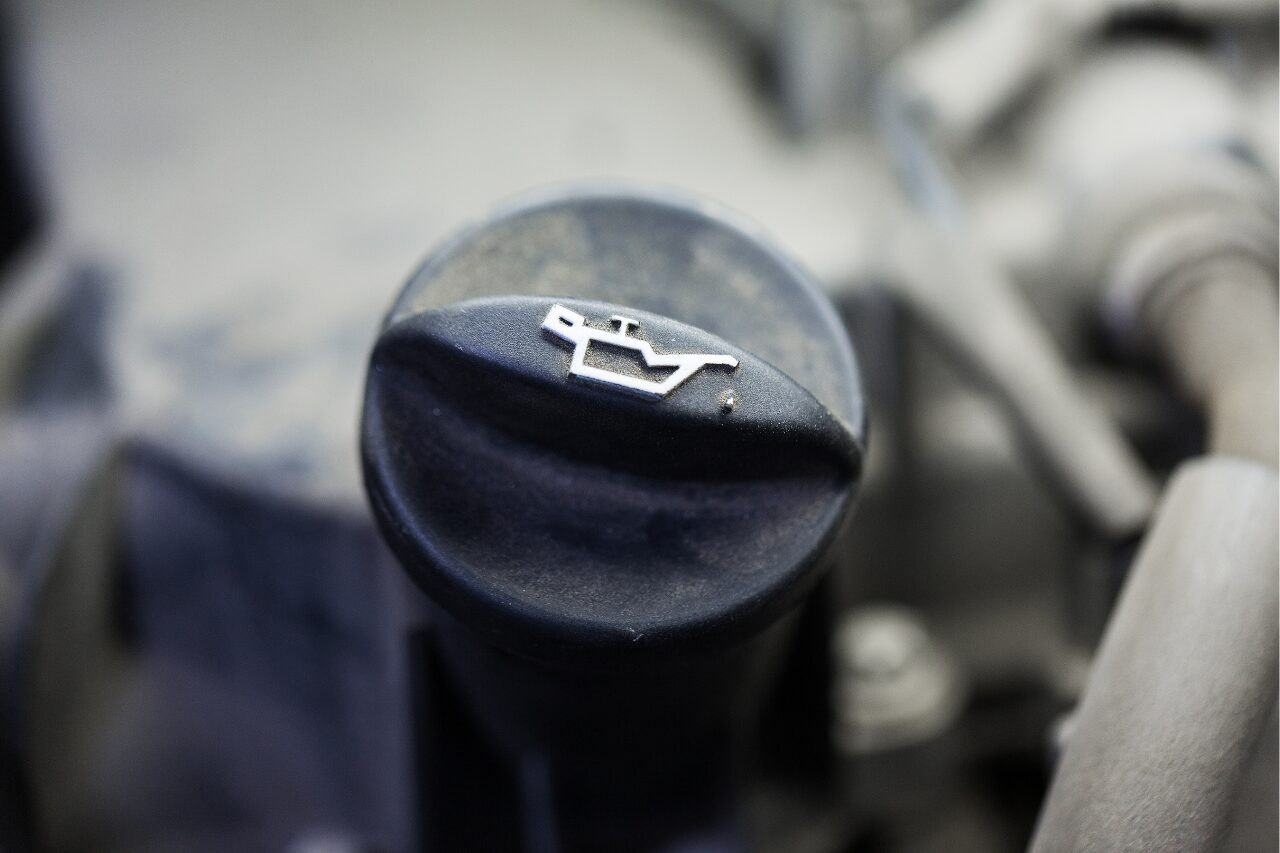
Extending your oil change beyond the recommended interval can cause:
In extreme cases, ignoring oil changes can cause engine failure, something no driver wants.
Learn More: Government of Canada – Motor Vehicle Safety & Maintenance
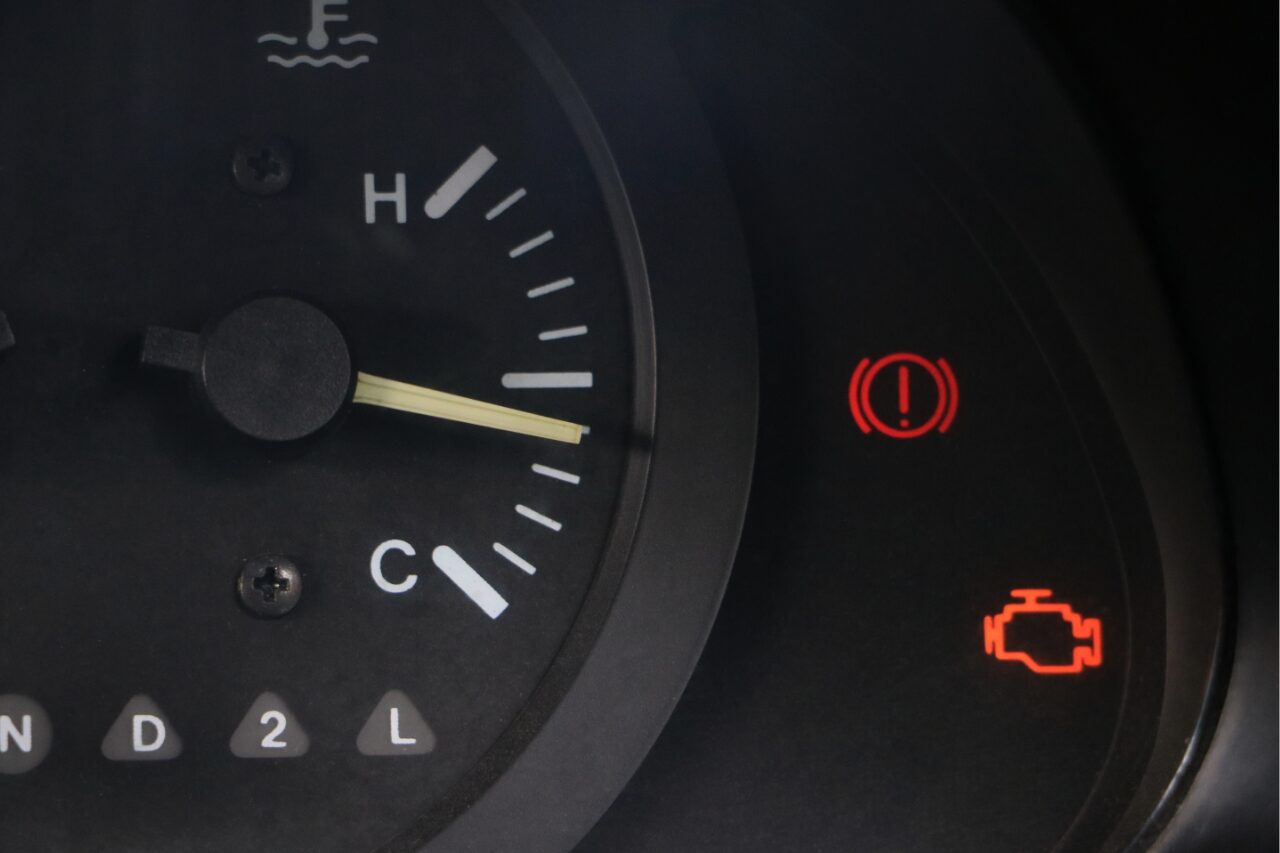
If you notice any of these early warnings, book your service right away:
Keeping an eye on these small signs can save you from much larger issues later.
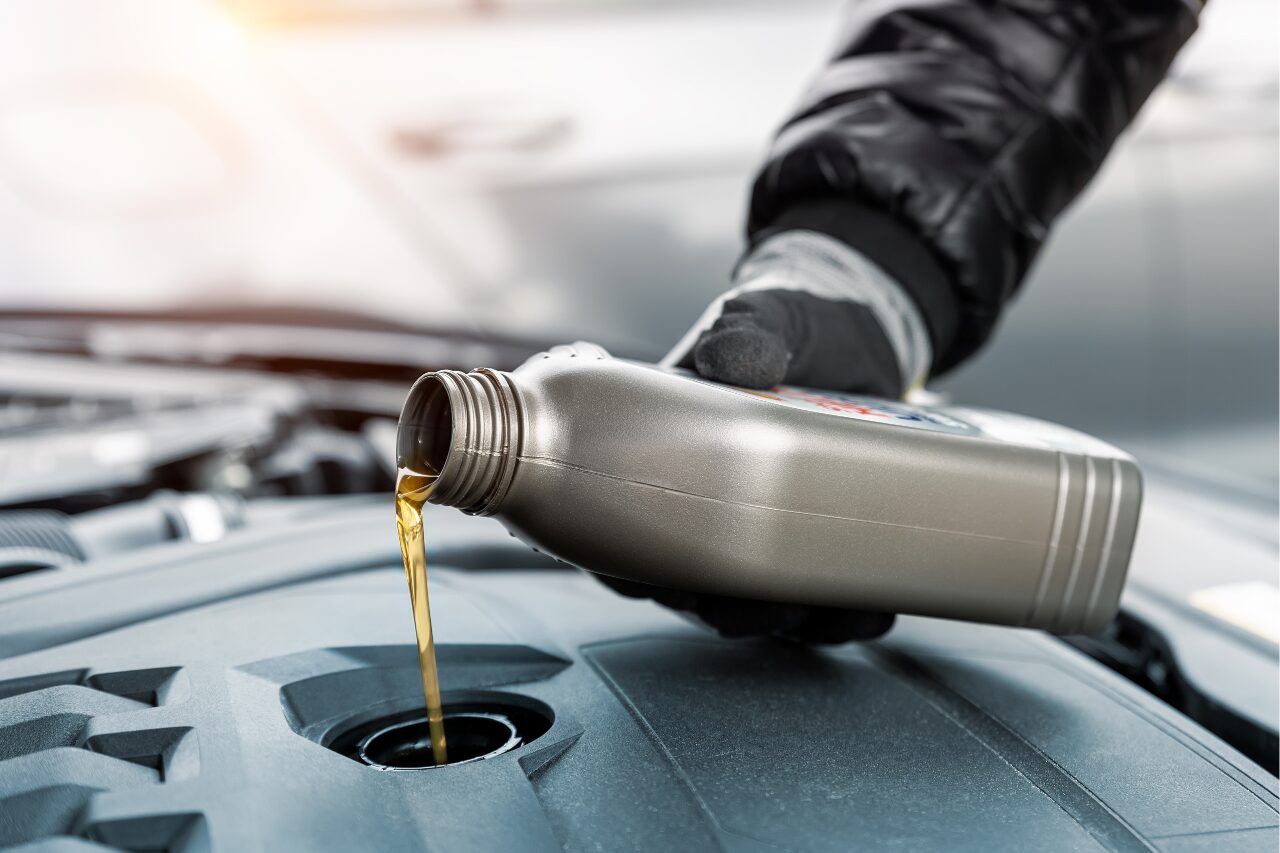
Knowing how to check your engine oil helps you catch problems early, before they turn into costly repairs. The good news is, it only takes a few minutes.
First, make sure your vehicle is parked on a flat surface. Then, turn the engine off and wait 5–10 minutes so the oil can settle.
Open the hood and find the oil dipstick, usually marked with a yellow or orange handle. Pull it out and wipe it clean with a cloth or paper towel.
Reinsert the dipstick fully, then pull it out again. The oil level should fall between the minimum and maximum marks. If it’s near or below the minimum line, it’s time to add oil or book a service.
Healthy oil should appear amber or light brown and flow smoothly. If the oil looks dark, gritty, sludgy, or has a burnt smell, it’s a sign your oil change is overdue.
Even if the level looks fine, pay attention to:
These can indicate oil breakdown or contamination.
If you’re unsure what you’re seeing, the technicians at West Edmonton Mall Toyota are always happy to take a look and recommend next steps.
Regular oil changes are one of the simplest ways to extend your vehicle’s life, improve fuel efficiency, and protect your engine, especially in a city with weather as unpredictable as Edmonton. When you stay on top of the recommended interval, your Toyota performs the way it was built to.
With thousands of oil changes completed every year, West Edmonton Mall Toyota is one of Edmonton’s most trusted and convenient service centres for Toyota vehicles and all makes.
Not sure if you’re due? Share your current mileage and last service date with our team, and we’ll confirm your recommended interval and book you into West Edmonton Mall Toyota’s Service Department or book an appointment anytime. We’re here to make maintenance simple, stress-free, and valuable for every driver.
Check out our Express Oil Change Experience at West Edmonton Mall!
2026 Toyota Corolla vs Honda Civic are two of the most trusted compact cars in Canada. They lead the segment in reliability, fuel efficiency, and overall value. If you’re choosing between the 2026 Corolla and the 2026 Civic, this guide breaks down how they compare in daily driving, winter performance, tech, and long-term ownership.

Compact cars remain popular across Canada for their comfort. They also offer low running costs and easy handling in both city and highway conditions. However, when it comes to the 2026 Toyota Corolla vs Honda Civic, which one fits your needs best? This comparison will help you make a clear, confident decision.
Let’s break it down so you can make the smartest choice for you.
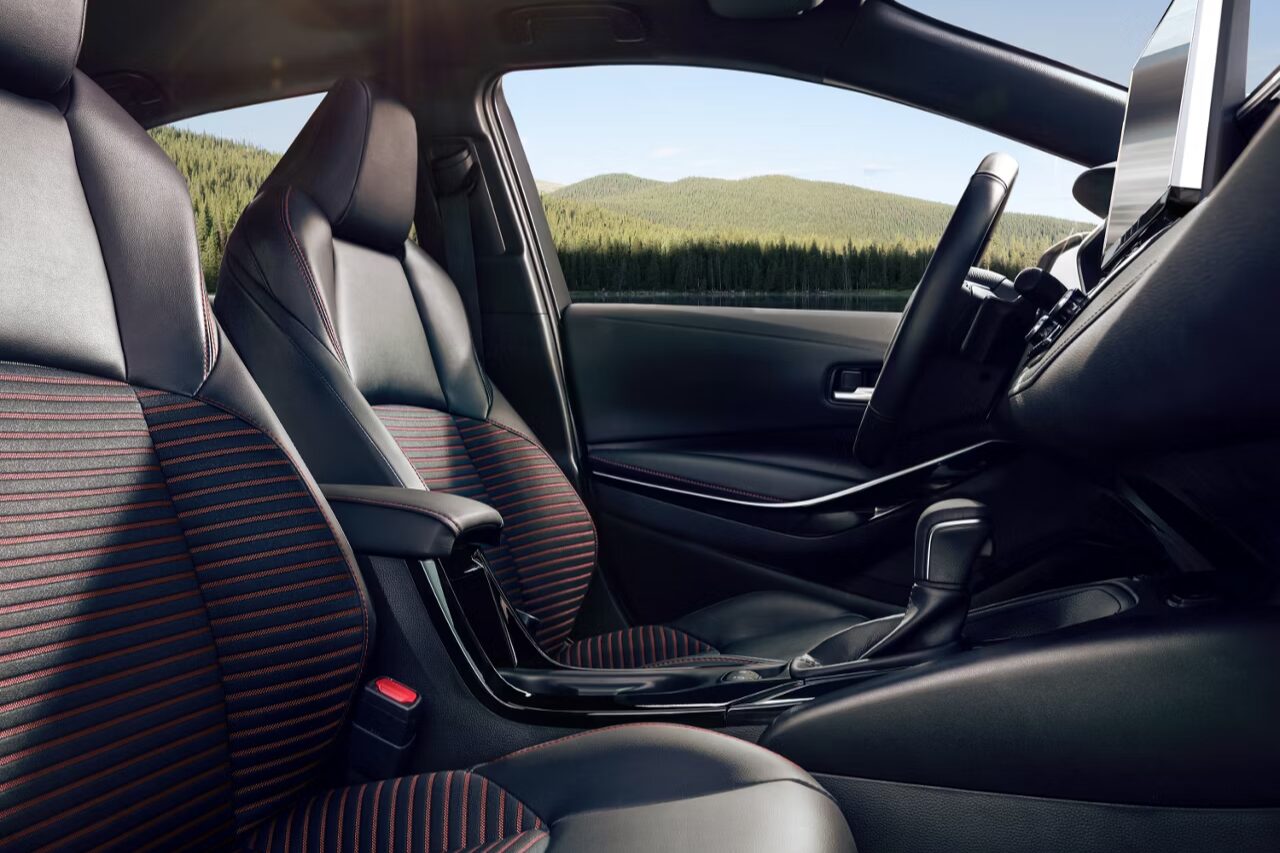
Additionally, the engine is tuned for balanced power delivery. The CVT ensures a seamless, consistent, and easy-to-control drive.
In comparison, the Civic leans more toward driver engagement. In addition, steering feels sharper. Throttle response is quicker. Meanwhile, the chassis tuning is sportier.
The verdict: If we compare the most common trims Canadians buy:
Plus, the available AWD option gives it an extra advantage in winter conditions.
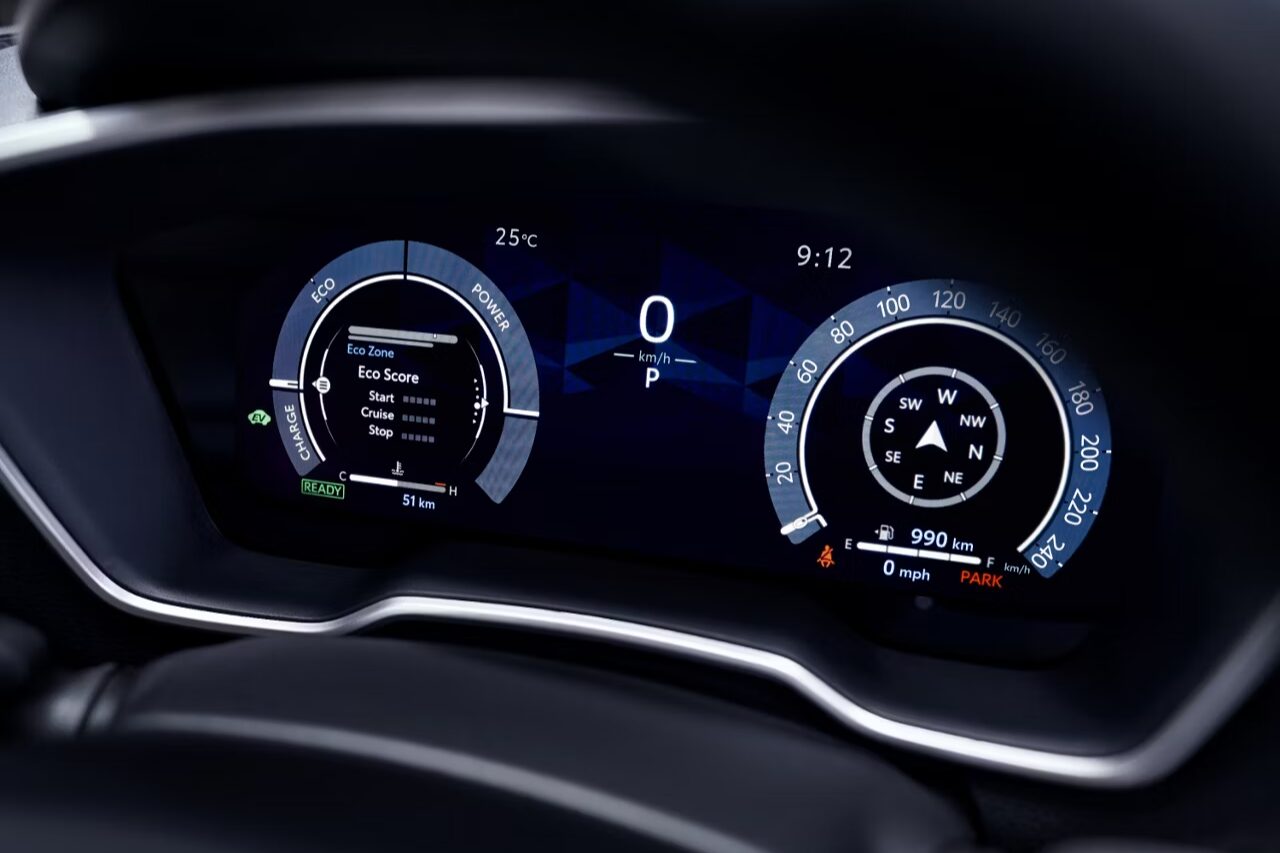
Fuel economy is one of the biggest deciding factors in the compact-car segment.
However, each brand approaches engine tuning and hybrid technology differently. As a result, you will notice variations depending on your route, outdoor temperature, and speed.
Whether you commute daily or drive long distances, here’s how both models compare.
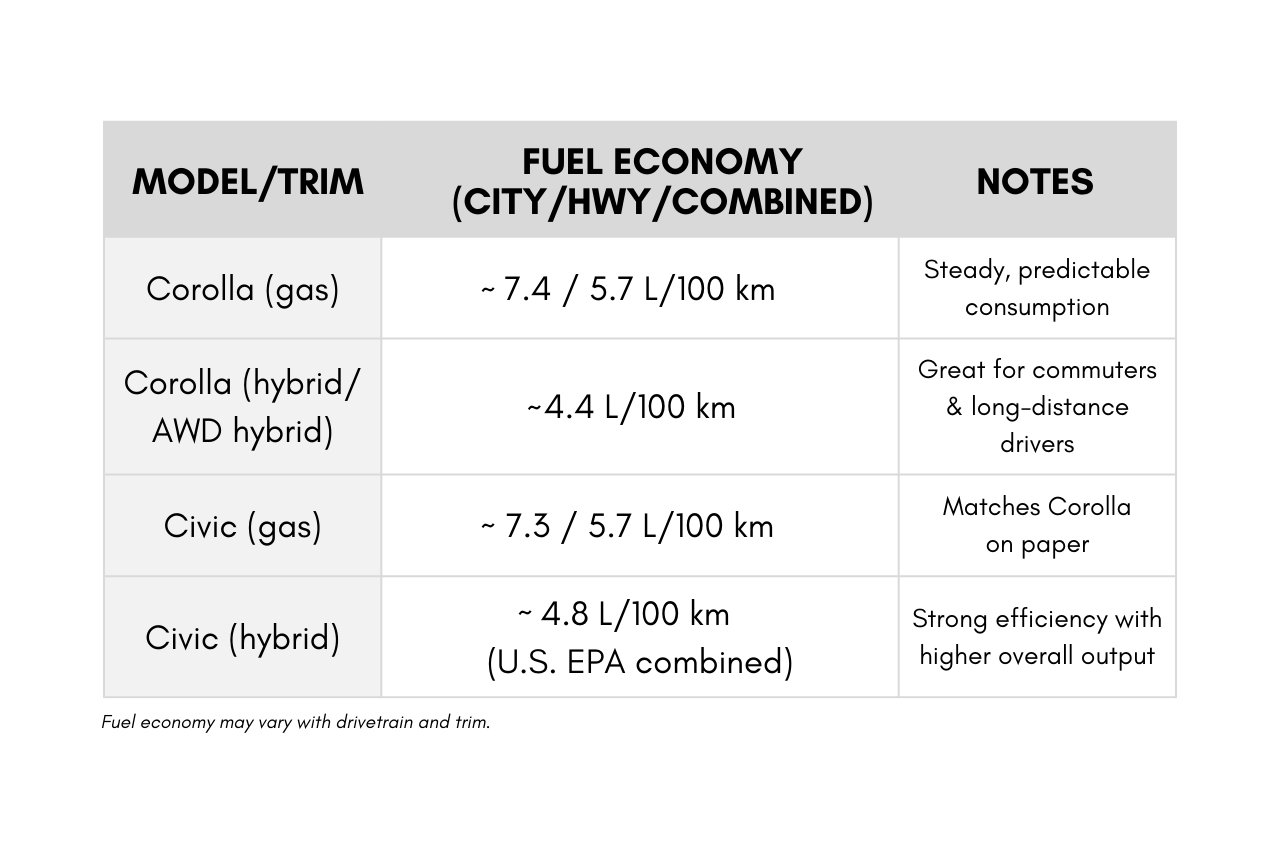
Corolla (gas): ~ 7.4 / 5.7 L/100 km
Corolla (hybrids): ~ 4.4 L/100 km
Civic (gas): ~ 7.3 /5.7 L/100 km
Civic (hybrid): ~ 4.8L/100 km
This fuel-economy chart compares Toyota Corolla and Honda Civic gas and hybrid models. It improves clarity and helps shoppers understand real-world performance.
Overall, Corolla hybrids shine for consistent, long-term savings.
Modern compact cars come with smart safety and convenience features. Both models offer strong systems. The main difference is how each brand tunes these features and how naturally they work in daily driving.
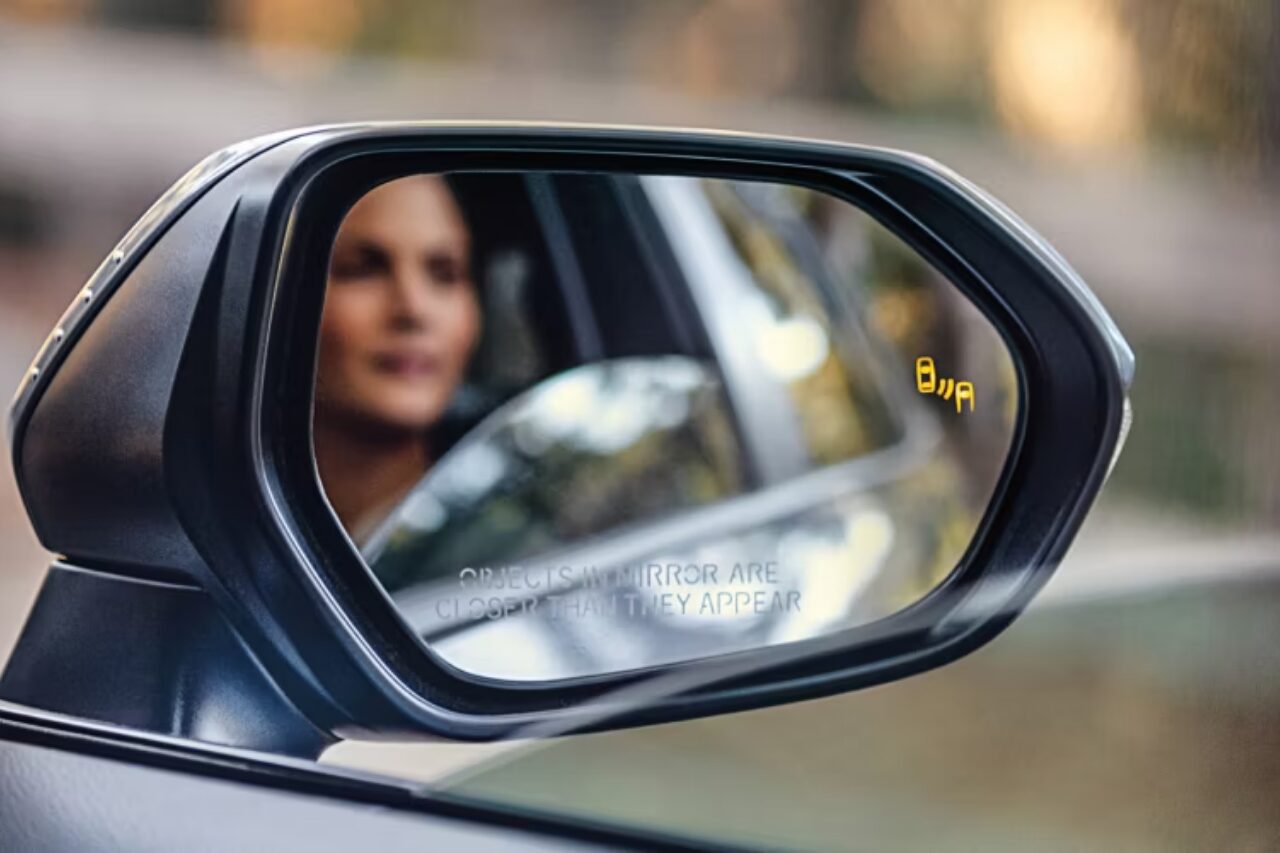
Toyota’s newest safety technology focuses on awareness and gentle driver support. Toyota Safety Sense 3.0 works in the background without feeling intrusive. Moreover, it enhances confidence for new and experienced drivers alike.
Key features include:
As a result, the car remains stable and predictable in daily use.
Honda’s suite offers similar features, offering an array of safety and support technologies.
Key features include:
Both compact sedans offer well-designed cabins. Meanwhile, the 2026 Honda Civic offers a slightly sportier cabin experience. The 2026 Toyota Corolla leans into comfort and simplicity. It’s easy to use and a strong everyday companion.
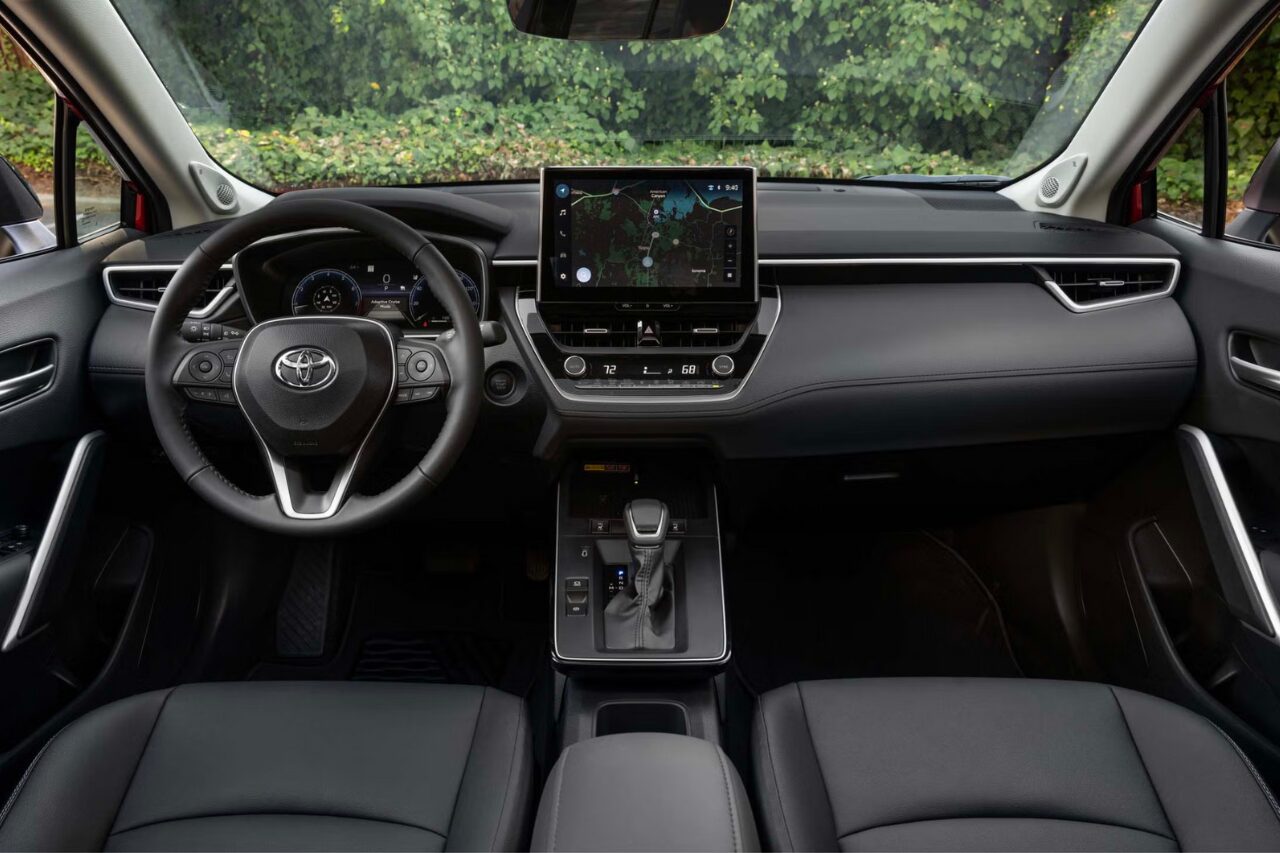
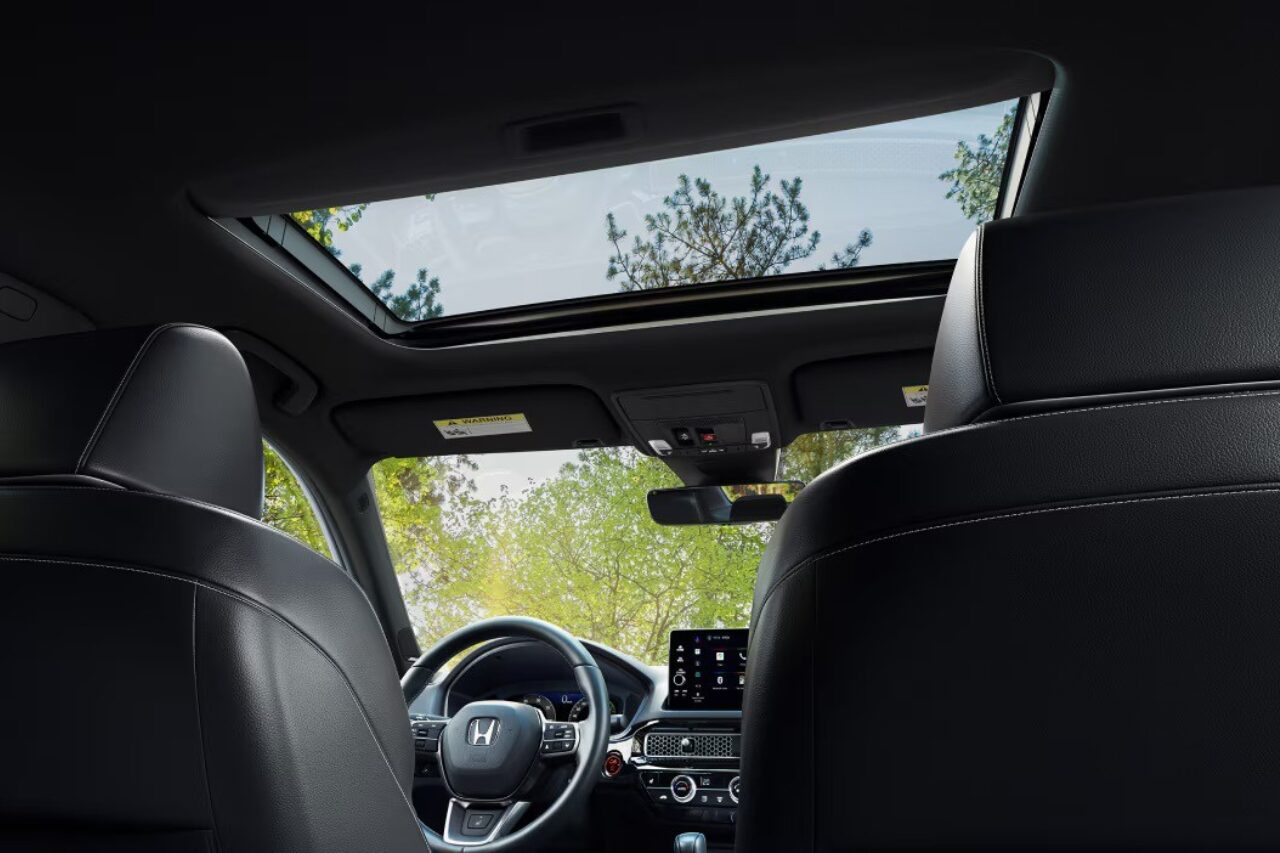
The verdict: If you want ease, comfort, and everyday practicality:
On the other hand, drivers who like a lower seating position may still prefer the Civic.
The 2026 Corolla and Civic offer strong feature sets, but their pricing reveals different value strategies.
Corolla pricing stays highly accessible while offering advanced safety, hybrid availability, and strong long-term value.
*All prices listed are Manufacturer’s Suggested Retail Price (MSRP).
However, the Honda Civic trims tend to start at higher prices, especially once premium tech or hybrid options are added.
Furthermore, its hybrid pricing remains more accessible for budget-focused buyers. It offers lower entry pricing and more affordable hybrids. These factors make it a smarter long-term investment.
*All prices listed are Manufacturer’s Suggested Retail Price (MSRP).
Explore more Corolla choices: The Perfect Driver For The 2025 Toyota Corolla
Toyota has one of the strongest long-term reliability records in the industry. The 2026 Corolla benefits directly from that heritage.
The Corolla’s gas engine and hybrid eCVT need little maintenance. They also have fewer long-term issues and strong fuel savings. Routine service costs often stay lower than the Civic. Toyota parts are also widely available, which helps keep repairs predictable.
Corollas retain their value well due to it’s strong reputation. This is a real benefit for drivers planning to sell or trade in later.
If keeping costs down and long-term reliability up are top priorities, Corolla stands out as the stronger choice.
Learn more: Toyota Certified Used Vehicles
Choosing the right compact car is about more than style. It depends on your lifestyle, your commute, and Alberta’s changing weather.
The 2026 Toyota Corolla stands out for its long-term reliability, winter-ready safety tech, and impressive fuel savings. It becomes a smart long-term choice for it’s strong reputation for durability
If you’d like help exploring the Corolla lineup or want to schedule a test drive, visit West Edmonton Mall Toyota today.
Read more: 2026 Toyota Prius vs 2026 Toyota bZ – Review
When temperatures start to drop, you might not think about your tires, but you should. Cold weather affects tire pressure in a way that can impact your safety, performance, and fuel efficiency.
In this article, we’ll explain why cold weather affects tire pressure, how to know when the pressure is off, and what you should do to stay safe on Canadian winter roads.
Cold weather affects tire pressure because of basic physics. When the air gets colder, its molecules move more slowly and pack closer together. That means less volume. As a result, the pressure inside your tire drops.
For every 10 °C (about 18 °F) drop in temperature, your tire pressure can fall by roughly 1 to 2 psi (pounds per square inch). This drop occurs even if your tires don’t leak.
Moreover, your vehicle’s built-in tire pressure monitoring system (TPMS) might alert you simply because of the cold. It’s not always a fault in the tire itself.
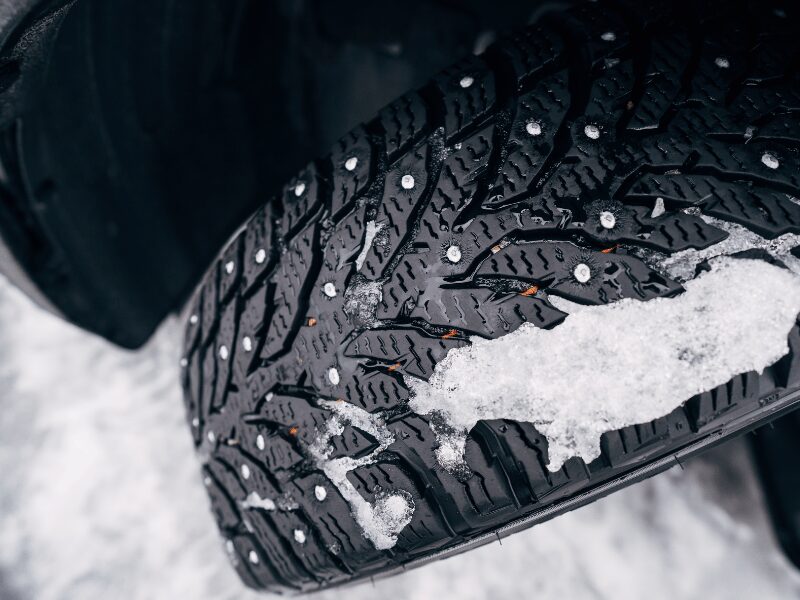
When your tire pressure is under-inflated, especially during cold snaps, several things can go wrong:
In short, if you don’t adjust for cold-weather tire pressure changes, your safety margin decreases, especially on icy or slushy roads.
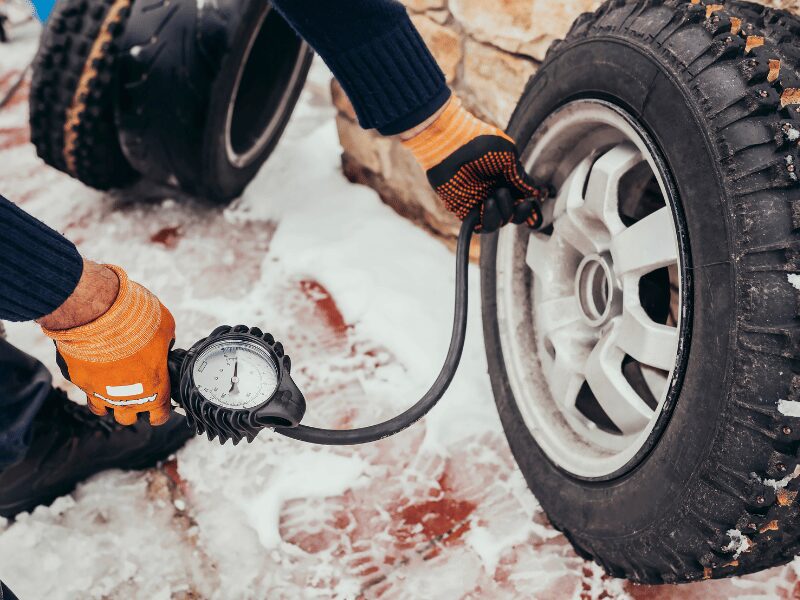
Here’s how you can keep your tire pressure in check when the weather turns cold:
Need help checking or inflating your tires? Book a tire service appointment at West Edmonton Mall Toyota to make sure your tires are winter-ready.
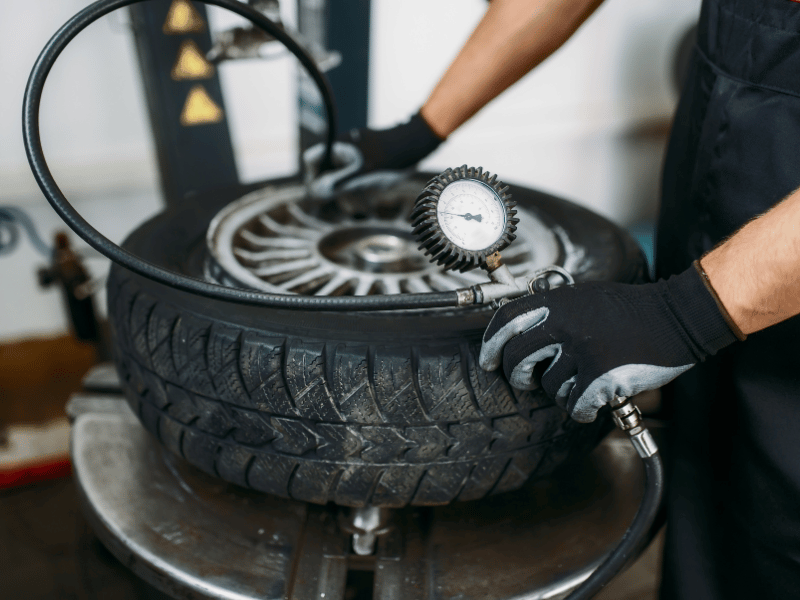
At West Edmonton Mall Toyota, we want every driver to enjoy safe and confident performance, even in winter. Your Toyota’s tires are a crucial part of that.
By keeping your tire pressure in check this winter, you’ll not only extend tire life but also:
While you’re checking your tires, it’s also a good idea to make sure your whole vehicle is ready for winter. Here’s a quick guide on how to prepare your car for winter.
Frequently Asked Questions

Q: Does nitrogen in tires prevent pressure loss in cold weather?
A: Nitrogen can reduce pressure fluctuations somewhat, but it doesn’t eliminate the physics of cold air contraction. The rules still apply.
Q: Should I inflate my tires more than the recommended PSI in winter?
A: No. Stick to recommended levels. Overinflation can reduce grip and lead to uneven wear.
Q: What if I check pressure and it’s fine, but my TPMS light still comes on?
A: Usually, the light is triggered by a moderate drop. Drive a bit to warm up the tires. If the light persists, have your tire inspected.
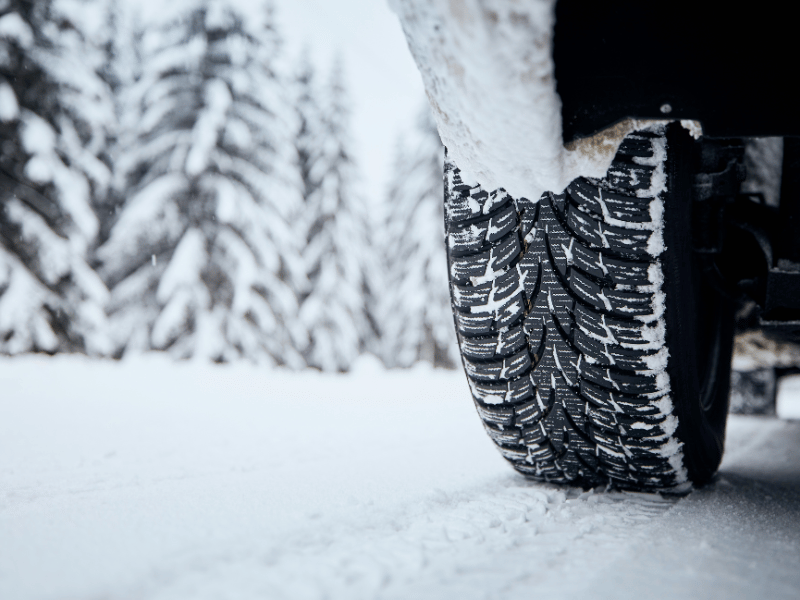
Cold weather affects tire pressure more than many drivers realize, and that makes a difference for your vehicle’s safety and performance. By understanding this link and acting early, you’ll give your Toyota the best start to the winter season.
In short: Monitor your tire pressure, keep it at the right level, and treat your Toyota to the care it deserves. If you’d like professional help or a winter check-up, schedule your service at West Edmonton Mall Toyota today.
Read more: Winter Tire Swap: When to Switch and How Early Is Too Early?
NOTICE TO QUEBEC CONSUMERS: Toyota Canada Inc. is pleased to offer a 36 month / 60,000 km (whichever occurs first) limited new-vehicle warranty on your vehicle. This limited warranty covers repairs on any part of the vehicle supplied by Toyota Canada that is defective in material or workmanship, subject to certain exceptions that are stated in your warranty manual. For more details of the warranty, check the Owner’s Manual Supplement included with your vehicle, or visit toyota.ca.
Quebec’s Consumer Protection Act requires Toyota Canada to disclose whether we guarantee the availability of replacement parts, repair services, and information necessary to maintain or repair the vehicle or its components. While Toyota Canada is pleased to honour the terms of our limited warranty, please note that Toyota in no way guarantees the availability of replacement parts, repair services and information necessary to maintain or repair the vehicle or its components.
Winter driving in Canada can be unpredictable. Today? It’s sunny and dry. But tomorrow? It’s blizzard time.
That’s why understanding the right time for your winter tire swap is so important. Switching too early can wear out your tires faster, but waiting too long can compromise your safety. So, how do you find the perfect balance? Let’s break it down.
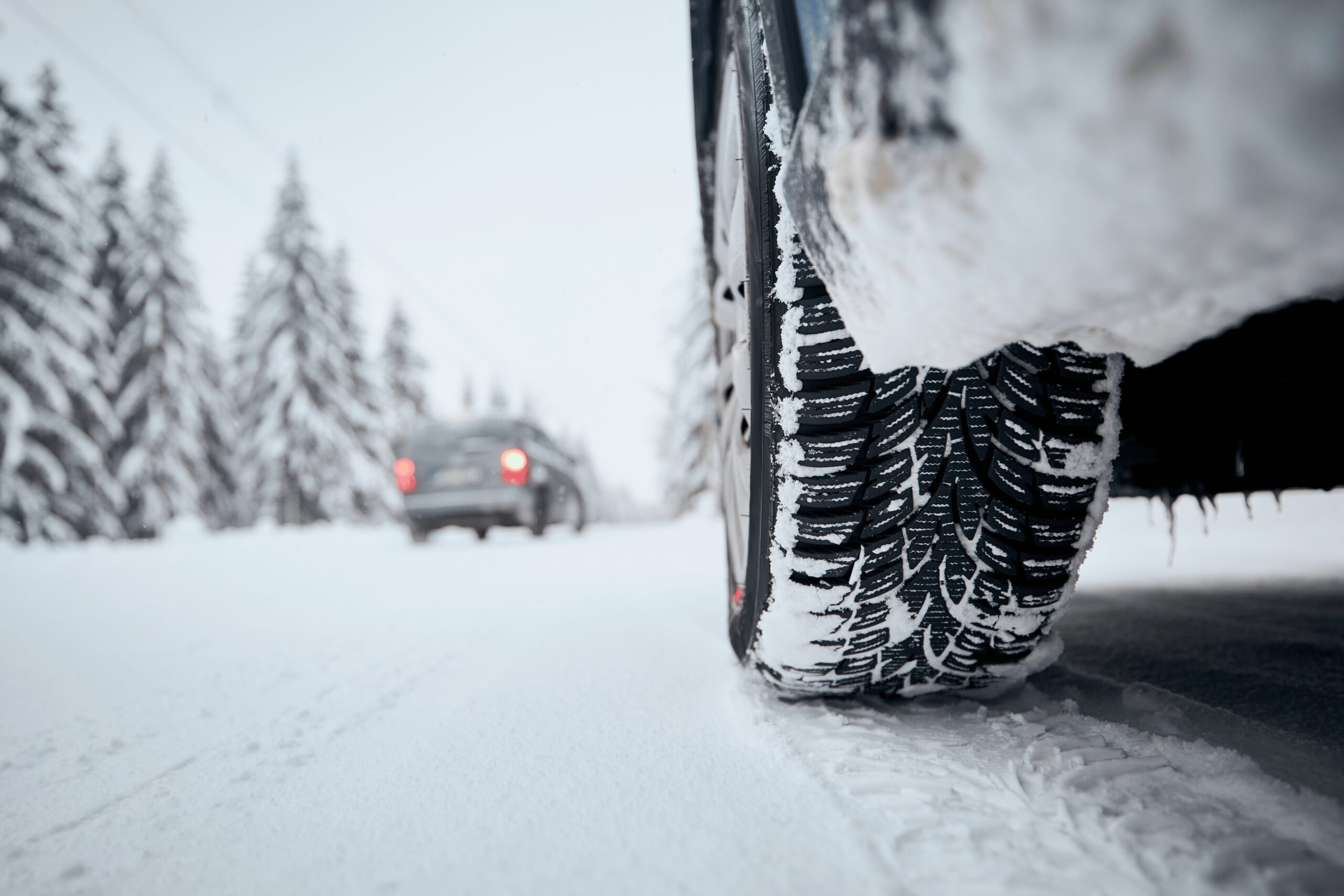
When temperatures start to drop, your all-season or summer tires begin to lose grip. Winter tires, on the other hand, are designed with softer rubber compounds and deeper treads. These help maintain traction on cold, snowy, and icy roads.
In other words, a winter tire swap isn’t just about following the season; it’s about ensuring your safety, improving control, and extending the life of your tires.
Tip: If you’re unsure about your tire’s performance, visit the West Edmonton Mall Toyota Service Centre for a quick tire inspection.
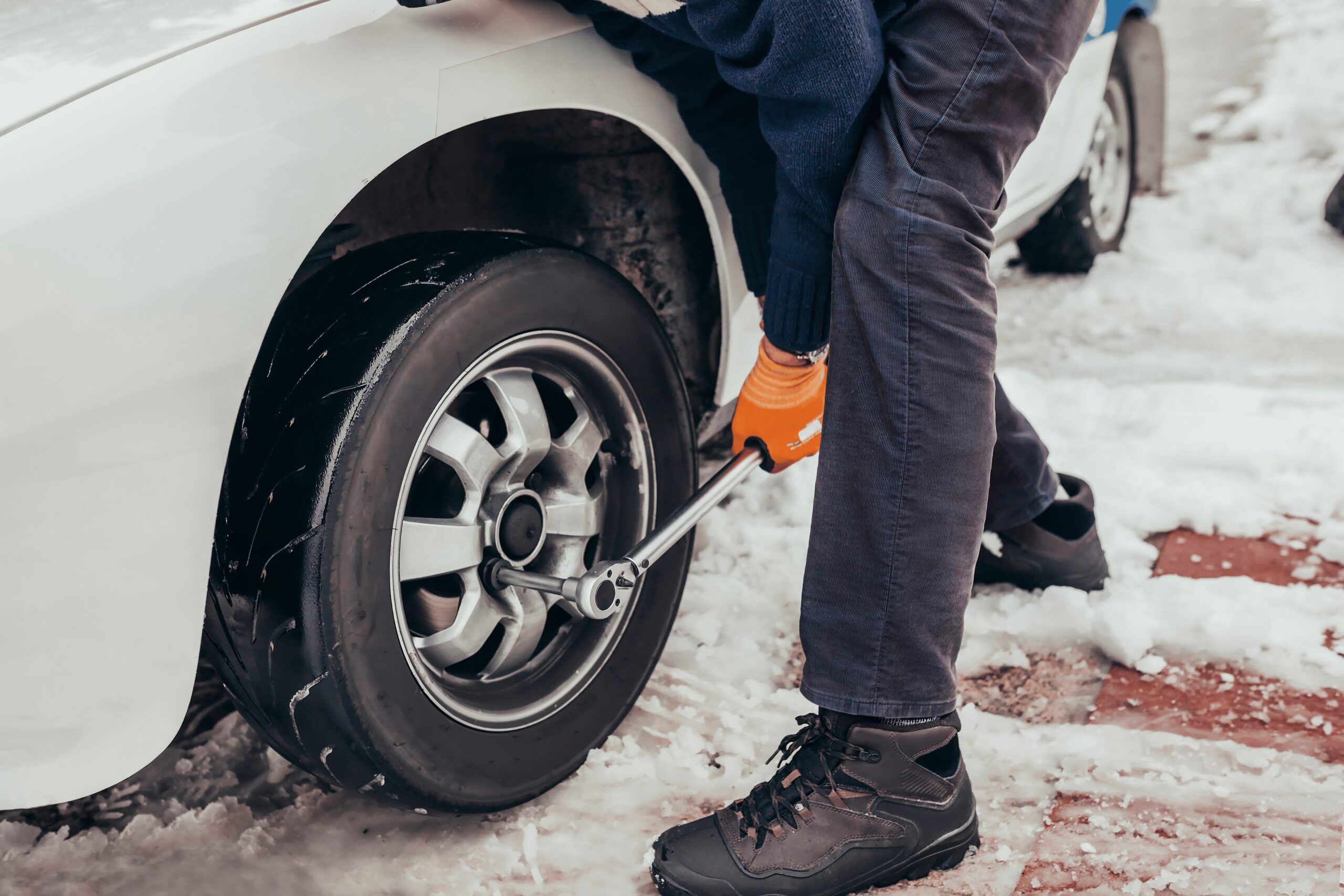
There’s a common rule in Canada known as the “7°C rule.” Once daily temperatures consistently drop below 7°C, it’s time for your winter tire swap. That’s when regular tires start to harden, losing the flexibility needed for proper grip.
However, it’s not just about the calendar; it’s about the weather pattern. In Edmonton, cold snaps can happen as early as October, so planning is key.
In addition, waiting too long can mean longer service wait times. Many drivers rush in at the first snowfall, which leads to fully booked appointments.
Pro tip: Beat the rush by scheduling your winter tire swap early at West Edmonton Mall Toyota. Our service team can help you choose the right tires for your Toyota Corolla, RAV4, or Highlander.
Wondering if winter tires are really necessary in Alberta? Watch our reel below to find out!
View this post on Instagram
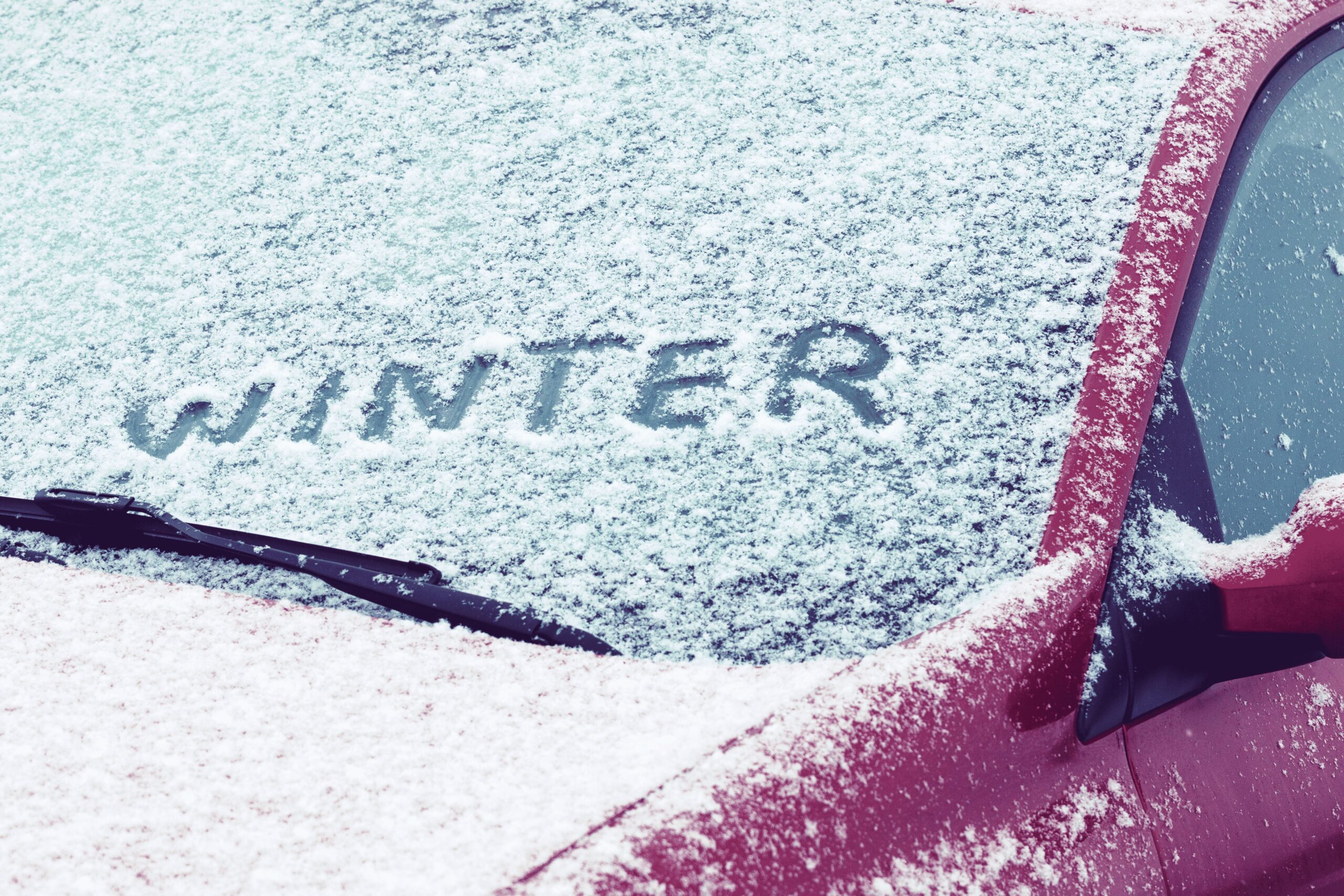
It can be tempting to install winter tires as soon as fall begins. However, switching too early can wear them out faster.
Generally speaking, late October to early November is the sweet spot for most parts of Alberta. Nevertheless, always check the forecast. If mornings are consistently cold or frost is appearing, that’s your cue to make the swap.
Book your appointment HERE.
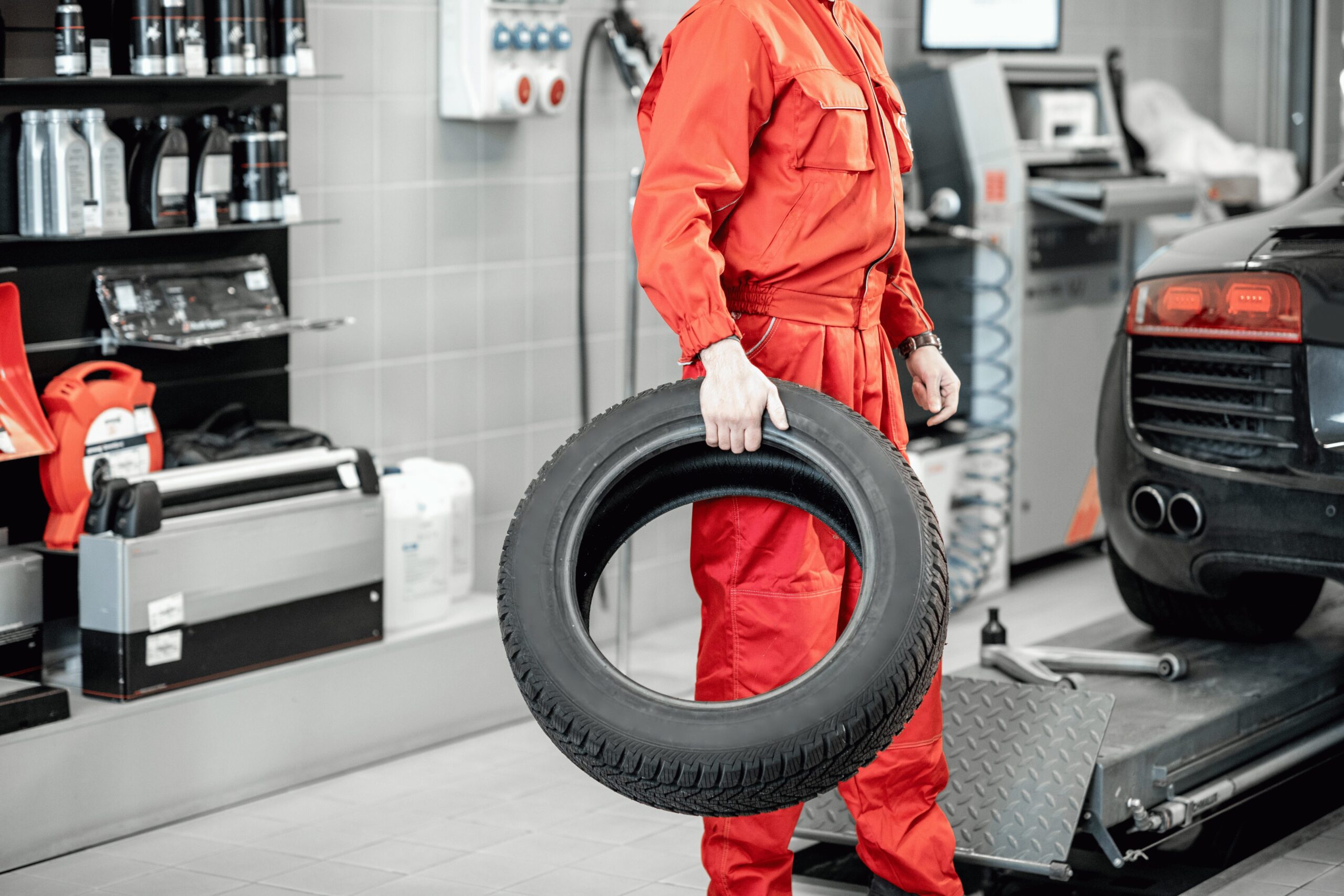
If you’re unsure whether it’s time for your winter tire swap, look out for these indicators:
Furthermore, it’s always a good idea to mark your calendar for both your fall swap and your spring changeover to all-season tires. This helps maintain even wear and better fuel efficiency.
While some drivers choose DIY installations, getting it done professionally is safer and more efficient. At West Edmonton Mall Toyota, our certified technicians can:
In addition, our team ensures that each tire meets Toyota’s quality standards, so you’re always road-ready for the season ahead. Learn more about our tires HERE.
Did you know: we offer a service called Swap, Store, Shine? We will SWAP your summer tires, STORE the summer set for you, and SHINE your vehicle inside and out, a full clean for the winter ahead!
Once your winter tire swap is complete, a little maintenance goes a long way.
As a result, you’ll extend your tire lifespan and improve your Toyota’s fuel efficiency throughout the season.
Preparing your Toyota for the cold starts with one smart step: your winter tire swap. By timing it right, you’ll drive with better control, safety, and peace of mind all season long.
In summary, remember the 7°C rule, avoid early wear by waiting for cooler weather, and always plan your service before the first snowfall.
To learn more about safe winter driving practices, check out Transport Canada’s winter tire safety guide and CAA’s winter driving tips for expert advice.
Ready to prepare your Toyota for winter?
Learn more: How To Prepare Your Car For Winter
Winter roads in Canada can be tough. That’s why it’s so important to prepare your car for the season ahead. Whether you drive a Toyota Corolla, RAV4, or Highlander, taking the right steps now will help you stay safe on icy roads.
Snow, ice, and freezing temperatures make driving more difficult. However, when you prepare your Toyota properly, you not only protect your vehicle but also enjoy a smoother, stress-free ride. For extra guidance, follow Transport Canada’s safe winter driving tips.
Whether you drive a Toyota RAV4, Corolla, or Highlander, these steps will help you get your car winter-ready.
Your tires are your Toyota’s first line of defence against snow and ice. In fact, they are one of the most important safety features during winter.
Tip: If you need new tires or installation, your local WEM Toyota service center can help. Explore Toyota winter tires for maximum traction and safety.
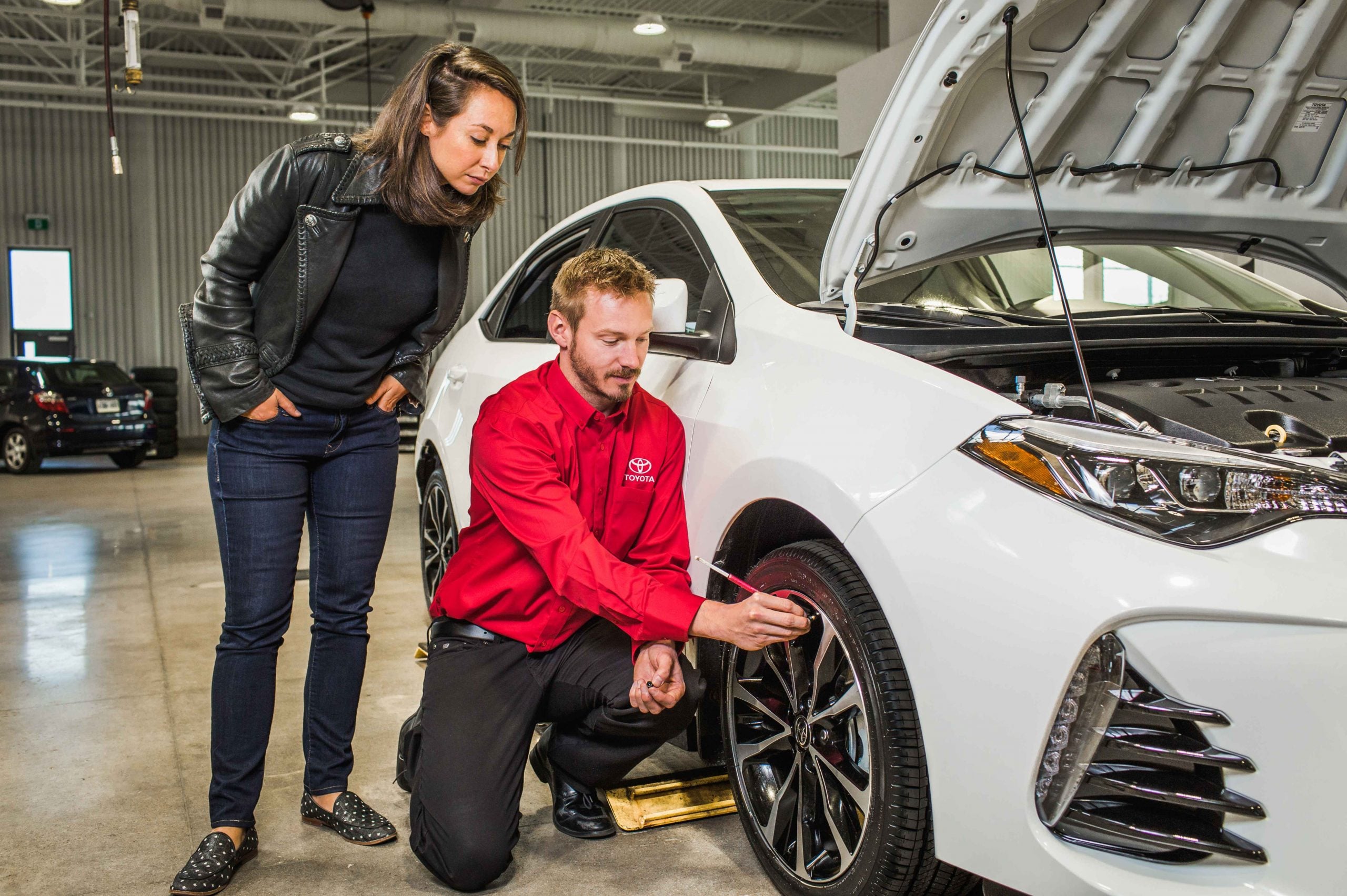
Cold weather is especially tough on car batteries. To avoid surprises, Toyota recommends checking yours before the season begins.
Fluids keep your Toyota running smoothly, even in freezing temperatures.

Reliable brakes are essential for winter driving.

Winter weather can limit visibility, making functioning wipers and lights essential.
Tip: WEM Toyota offers wiper replacements and bulb upgrades to make this process quick and easy.

Even with a prepared Toyota, winter roads can be unpredictable. Keep a winter emergency kit in your vehicle:

Snow, ice, and road salt can damage your paint and undercarriage.
Toyota dealerships, including WEM Toyota, offer winter maintenance services to keep your vehicle performing at its best:
By scheduling early, you’ll make sure your Toyota is ready for the season. Book your appointment today at West Edmonton Mall Toyota.
Even a well-prepared Toyota requires careful winter driving:
To learn winter vs. all-season tire basics, watch our expert comparison video below.
View this post on Instagram
Preparing your Toyota for winter doesn’t have to be complicated.
If this guide didn’t cover all your questions, chat with one of our trained technicians, and they can ensure your Toyota is ready to handle the season safely and efficiently.
With a little preparation, your Toyota will be ready for all of your winter adventures, whether that’s hiding from the cold or out enjoying the snow. Book your winter service at West Edmonton Mall Toyota and drive with confidence all winter long.
Want to know more? Check out Transport Canada’s safe winter driving tips.
West Edmonton Mall Toyota is proud to announce the successful installation of three Level-2 electric vehicle (EV) charging stations, reinforcing our commitment to innovation, sustainability, and exceptional customer service.
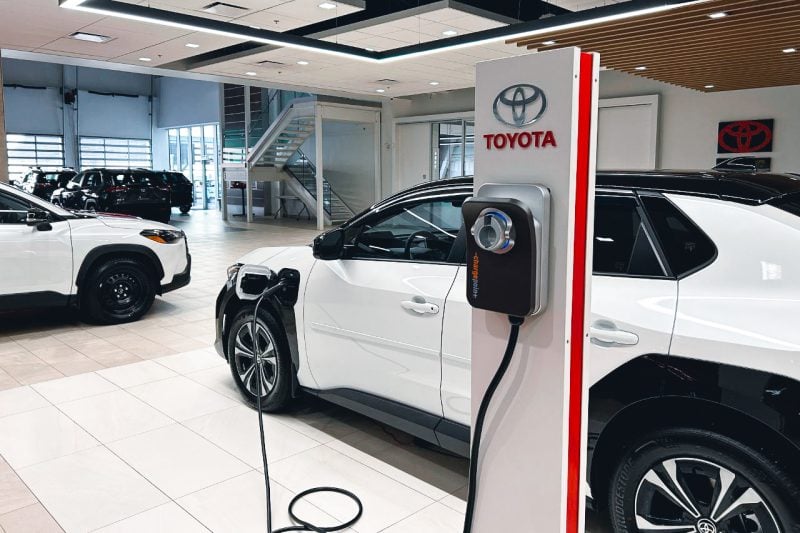
Here it is in action with the 2026 Toyota bZ.
The new EV chargers have been strategically installed across the dealership, including the delivery area, showroom, and service shop. Designed with exceptional customer experience in mind, the delivery and showroom area features a branded, user-friendly charging experience to help customers learn how to charge their new vehicles.
This initiative was made possible through a collaborative effort with Modern Niagara, which managed the installation process from planning to execution. The project was further supported by a financial incentive from the Electric Vehicle Charging Program, delivered by Alberta Municipalities with funding from Natural Resources Canada’s Zero Emission Vehicle Infrastructure Program. The incentive covered 46% of the total project cost.

Justin Farhat, Operations Manager at West Edmonton Mall Toyota, was pleased with the process: “Modern Niagara was excellent to deal with, helping to get the project planned out, equipment delivered to the site, and installed without impacting our daily operations. Being able to leverage funding from Alberta Municipalities made this initiative a win for both our organization and our customers.”
Justin Sulzle of Modern Niagara said, “Alberta Municipalities has been great to work with and allowed us to offer exceptional value to the customer. We need this program to continue so we can continue to build out charging infrastructure across Alberta.”

With the chargers now operational, West Edmonton Mall Toyota customers can enjoy a new level of convenience during their visits, whether they’re here for service, delivery, or simply exploring our lineup of electrified vehicles.
For more information about our EV offerings and dealership services, please visit www.wemtoyota.com.
Read: Your Guide To Toyota Electric Vehicles
Hybrid vehicles have quickly become a favourite among Edmonton drivers, offering a balance of power, efficiency, and innovation that’s hard to beat. At West Edmonton Mall Toyota, three models stand out from the pack, the spirited 2026 Prius Plug-In Hybrid, the ever-reliable 2026 Corolla, and the bold, upscale 2026 Toyota Crown. Each offers its own mix of design, performance, and technology, making it easy to find one that fits your lifestyle.
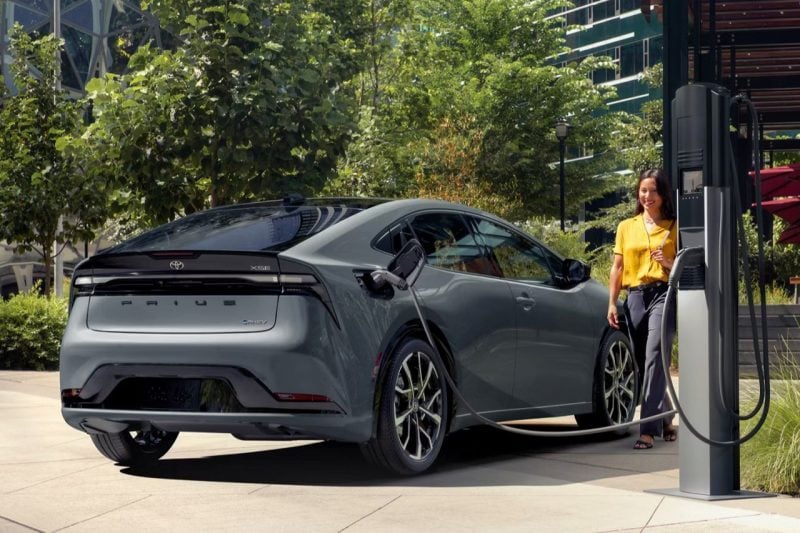
If you’re looking for a hybrid that feels as exciting as it is efficient, the 2026 Prius Plug-In Hybrid is ready to impress. Under the hood, a fifth-generation hybrid powertrain pairs with a 2.0-litre engine for an engaging drive, while its lithium-ion battery delivers more than a 50% increase in EV-only range compared to the previous generation, now up to 72 km. That means you can handle most daily commutes on electric power alone, with a gas engine ready to extend your range for longer trips.
Drivers can enjoy flexible charging at home, work, or at public stations, plus regenerative braking to help top up the battery as you drive. Inside, the Prius Plug-In offers the Toyota Multimedia System, cloud navigation, voice-activated Intelligent Assistant, and Remote Connect through the Toyota App. And with Toyota Safety Sense 3.0 standard, advanced safety features come included. Design-wise, its low stance, bold LED lighting, and colour options like Wind Chill Pearl and Supersonic Red make it a head-turner on Edmonton streets.
The 2026 Corolla continues to prove why it’s one of Toyota’s most beloved models. Whether you choose the dependable Corolla LE, the stylish Corolla XSE, or the Corolla Hybrid with eAWD, you’re getting a sedan that balances performance, fuel efficiency, and comfort. Gas models feature a 2.0-litre 4-cylinder engine, while Corolla Hybrid grades pair a 1.8-litre Atkinson-cycle engine with electric motor-generators for outstanding efficiency.
On SE and XSE models, the sport-tuned suspension brings a more connected road feel without sacrificing comfort. The Corolla’s tech is equally appealing, with available 12.3-inch digital gauge cluster, wireless Apple CarPlay and Android Auto, and Connected Services like Service Connect and Destination Assist. As with the Prius, every model comes with Toyota Safety Sense 3.0 for peace of mind on every trip.
For drivers who want hybrid power with a more premium touch, the 2026 Toyota Crown delivers. Its elevated ride height and sleek, coupe-inspired profile give it a presence that stands out in Edmonton traffic. The Crown offers two hybrid powertrain options: the Toyota Hybrid System for efficiency and the HYBRID MAX system for extra performance.
Available in Limited and Platinum grades, the Crown features an electronic on-demand all-wheel drive system for confident handling year-round. Inside, a 12.3-inch Toyota Multimedia display with wireless smartphone compatibility comes standard, along with a Digital Key system so you can unlock and start the car with your phone. Large 19-inch or 21-inch alloy wheels complete the look, reinforcing its sophisticated, confident design.

Choosing between these three hybrids comes down to your driving style and needs. If you want an electrified ride with sporty flair and generous EV range, the Prius Plug-In is a top pick. For a practical, efficient daily driver with multiple trim options, the Corolla remains a go-to choice. And if you’re seeking a stylish hybrid sedan with premium features and power, the Toyota Crown is in a class of its own.
Learn more about Toyota hybrids here.
From the city-friendly Corolla to the performance-minded Prius Plug-In and the luxury-leaning Crown, Toyota has a hybrid for every kind of Edmonton driver. Visit West Edmonton Mall Toyota in Edmonton, AB, to see them up close, take a test drive, and find the model that matches your lifestyle best.


