

West Edmonton Mall Toyota is quickly gaining the reputation of being the best auto repair spot in Edmonton for everything from basic maintenance services to windshield replacements, car detailing and more.
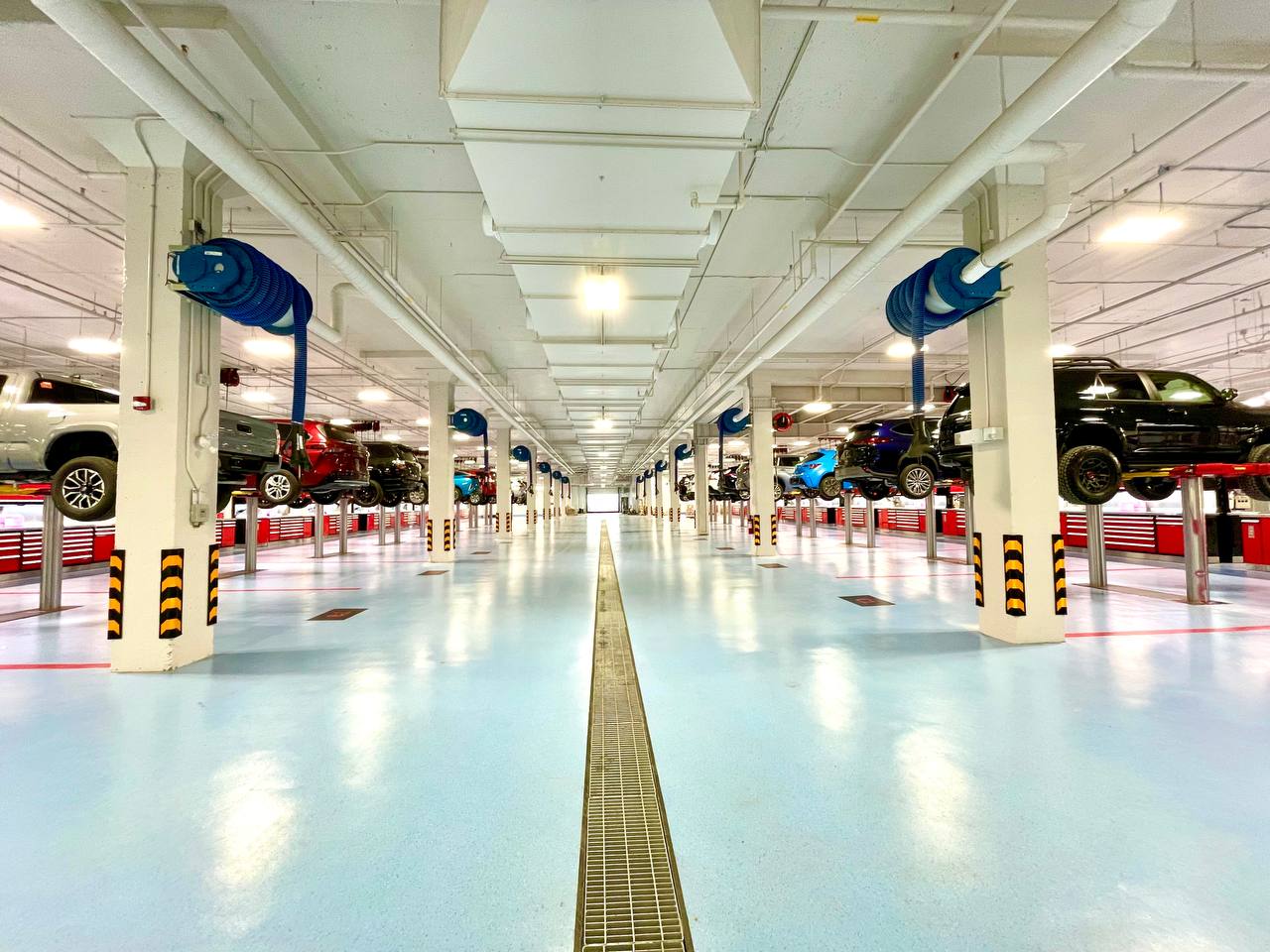
While we have loyal customers that have been servicing with our dealership for over twenty years, we also have new Edmontontians discovering us daily for all their auto servicing needs.
We asked our customers to tell us their favourite reasons for returning to our service center for car maintenance and repairs and they certainly delivered. Don’t just take our word for it — here are the top ten reasons why they think we are the best auto servicing centre in Edmonton.
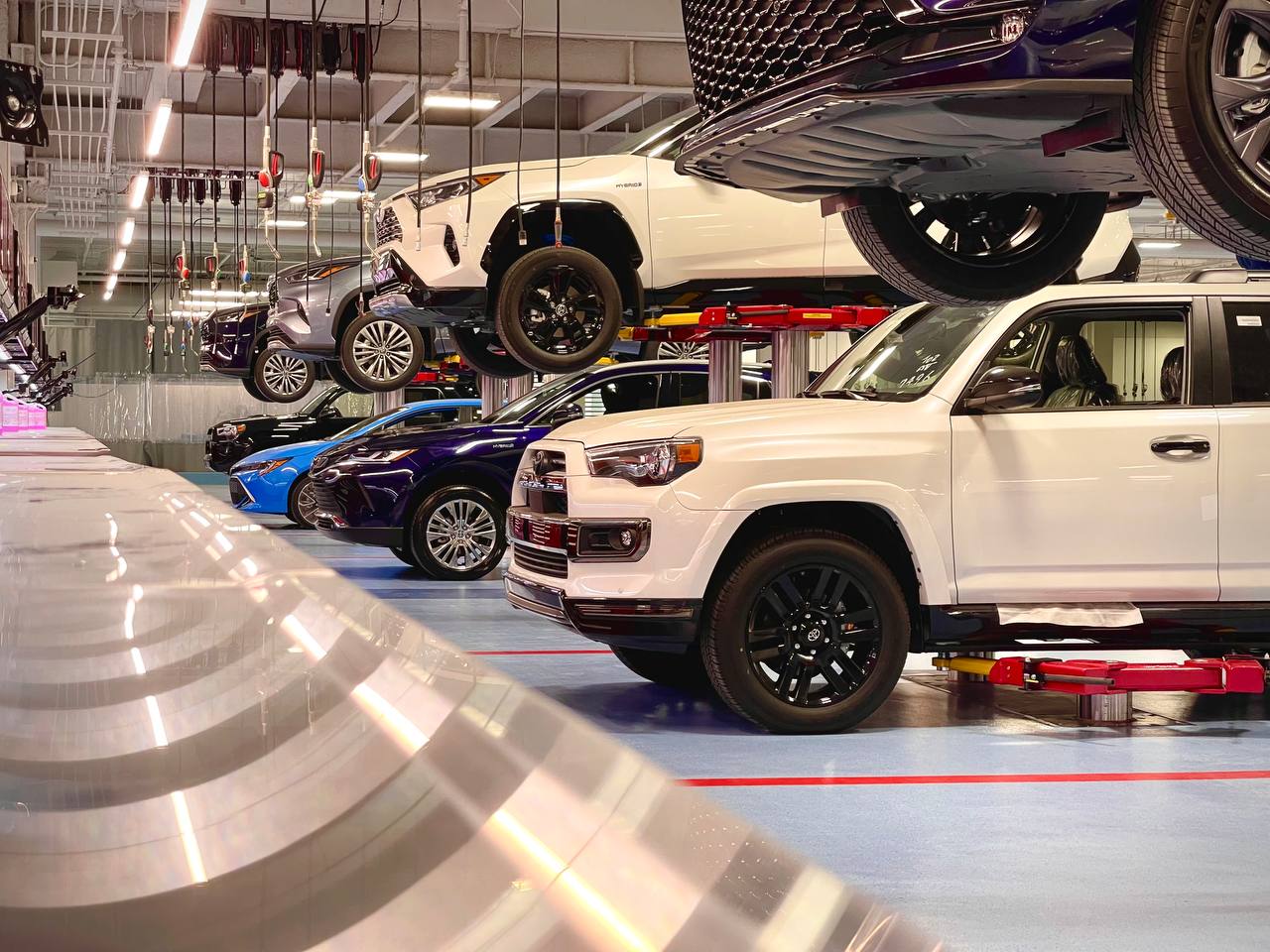
While we are a Toyota dealership and know the ins and outs of every Toyota model on the road, our technicians are well-versed mechanics that can diagnose and repair every make and model.
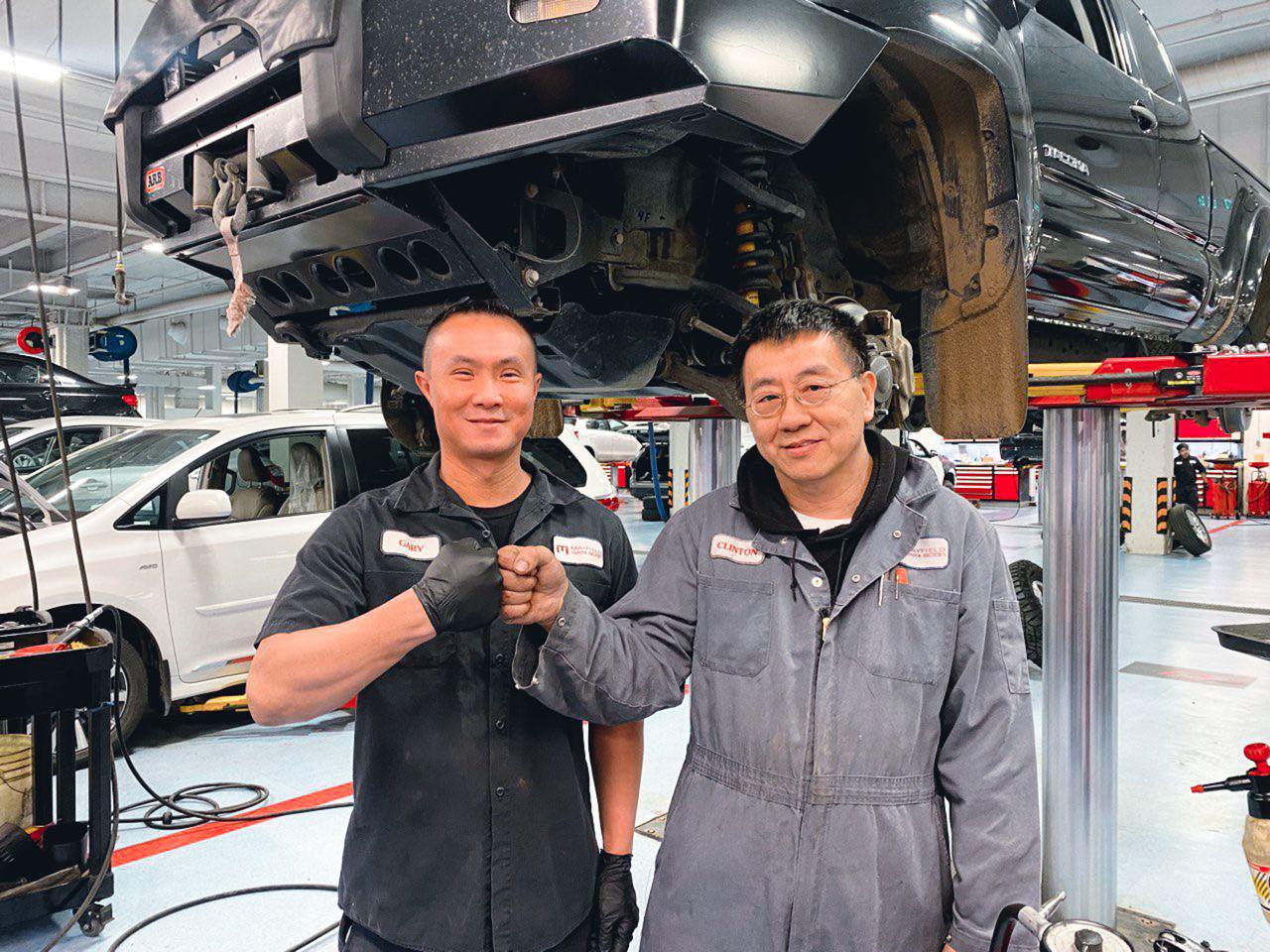
So whether you drive a Nissan, Ford, Kia, Hyundai, Mercedes, Mazda or another brand — you can still bring it to our service center and expect the highest quality of care.
We have an amazing crew of professional car detailers on our team that can take even the dirtiest vehicle and make it look brand new. We offer a variety of packages to suit your needs and no matter which you choose you can expect a beautiful finished product.
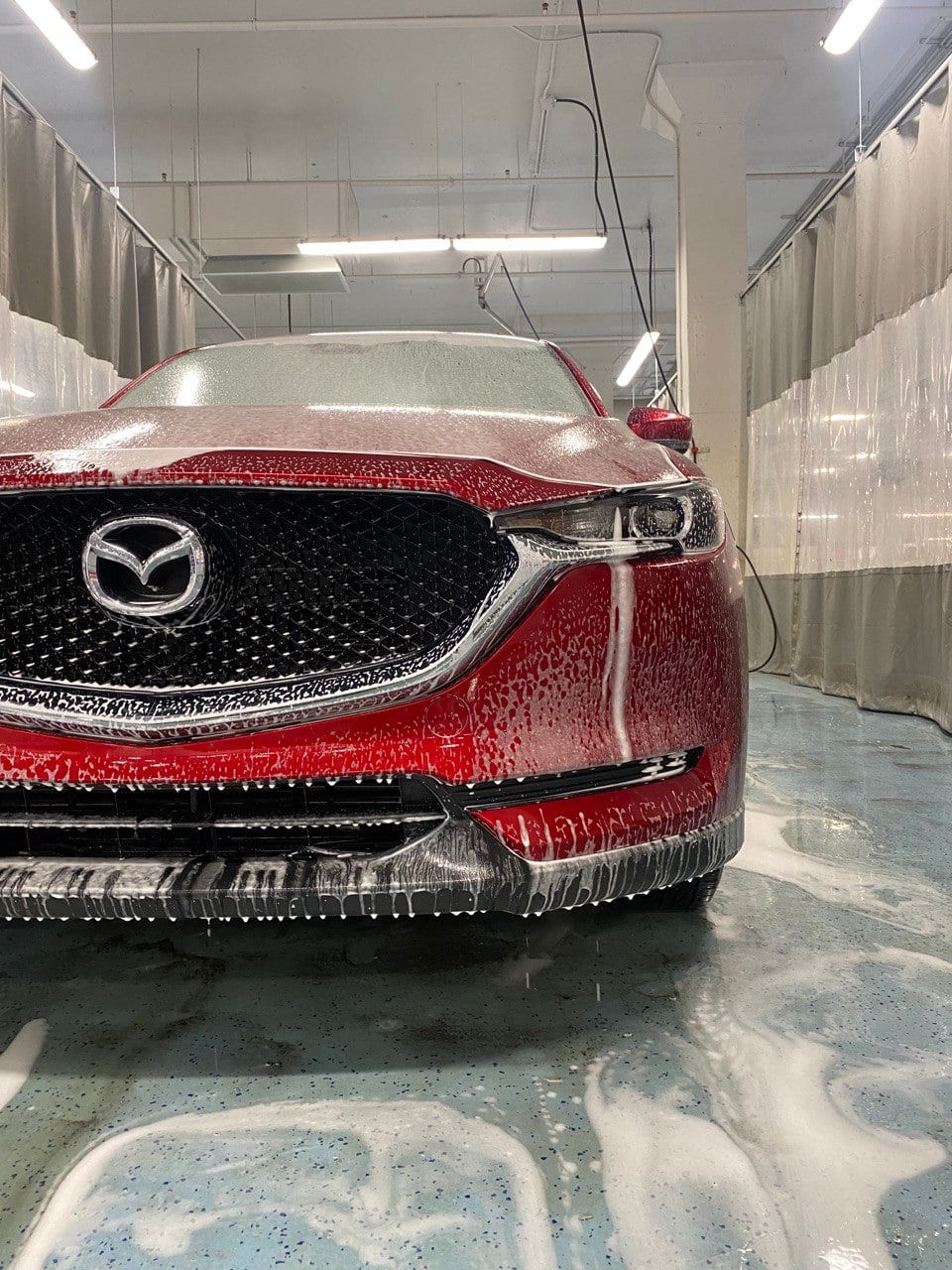
Our detailers pay attention to the small things. So even the dirt between the nooks and crannies in your console to the smudges on the windows and the fingerprints on the dash — our detailing team makes sure every inch of your vehicle is scrubbed and cleaned.
Being located in West Edmonton Mall has its perks. With over 800 stores and services, two hotels, a waterpark and 100 different places to eat and drink, there are endless options for our guests to choose from while they wait.
Our customers are always telling us about the things they did while they waited. Families love playing mini golf or exploring Galaxyland with the kids. We even had a customer recently get their eyes checked and picked up a new pair of glasses while their car was getting an oil change.

Whether you decide to sit down and grab a bite on Bourbon Street or make grab some new shoes from Spring, your time spent with us is never wasted. What other car dealership in Edmonton can offer the same amenities just seconds from their doorstep?
Plan on visiting West Edmonton Mall for other reasons? We can help with that, too. Our easy-to-use valet service makes your life a thousand times easier. Instead of driving around in circles searching for a parking spot, just pull up through our valet centre and pass your keys to us.
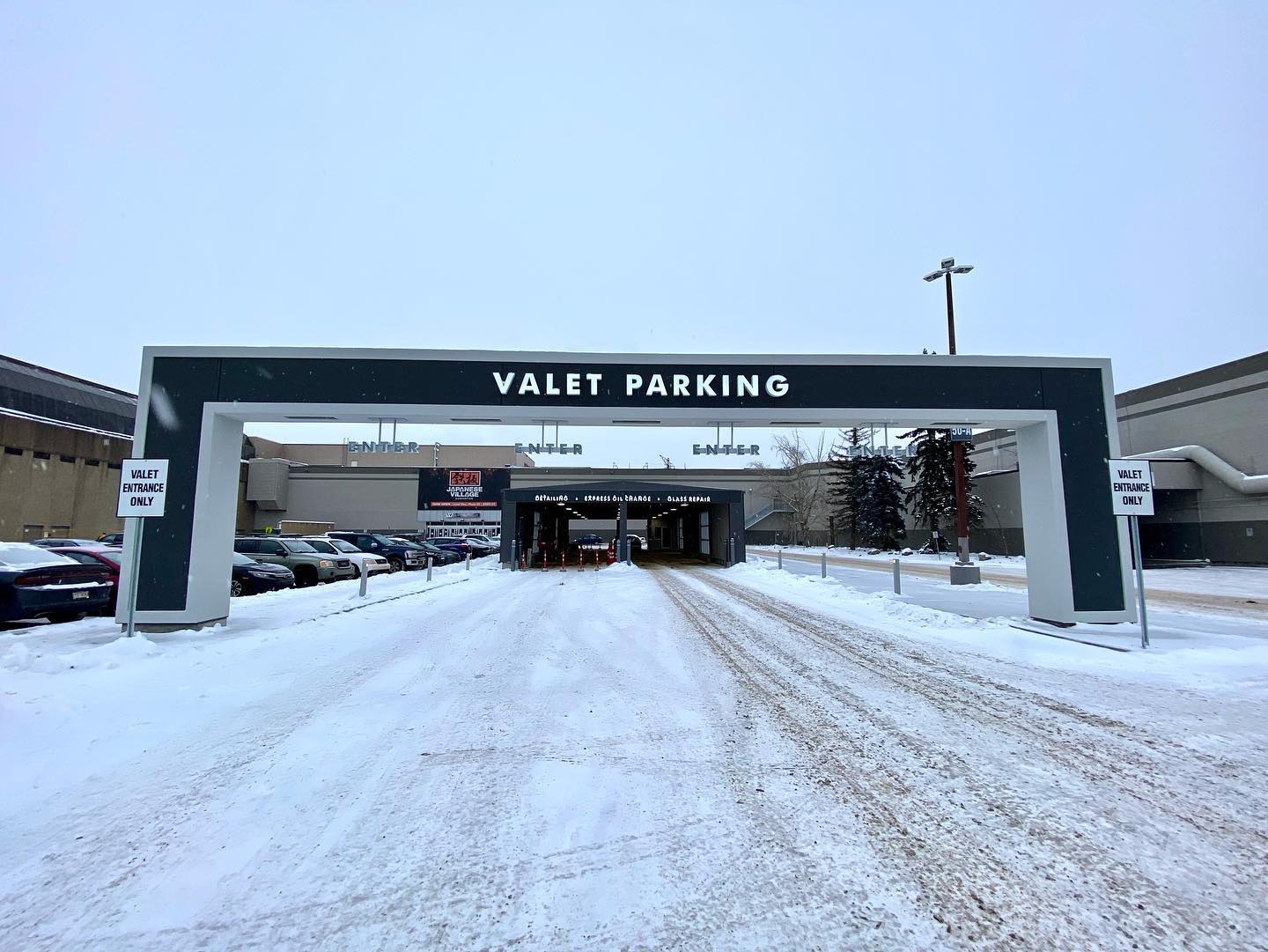
We’ll park your vehicle for you and when you want to leave just head to our service desk and present your ticket. Our valet drivers will pull your vehicle upfront. You can even have it detailed while you shop.
We have perfected a service process that not only makes things easy for our service customers but that also ensures nothing is missed throughout your visit with us.

When you drive into our service centre, one of our knowledgeable attendants will immediately scan your VIN number. Then we do a quick walk around of your vehicle with you so we can make sure your car is returned to you exactly how you dropped it off.
From there you head to our front desk where we break down the work being done on your vehicle and when you can expect to pick it up. Once your car is ready, you can head back to the front desk and pay. One of our attendants will pull your vehicle up to the front for you and you can be on your way.
We told you there were a lot of reasons why we are quickly becoming the go-to destination for all things car repairs and maintenance in Edmonton.
At West Edmonton Mall Toyota, our top priority is to make your experience with us as convenient as possible. That means efficiency at every step. From the moment you drive your vehicle into our service bays, we want your experience to be one you appreciate.
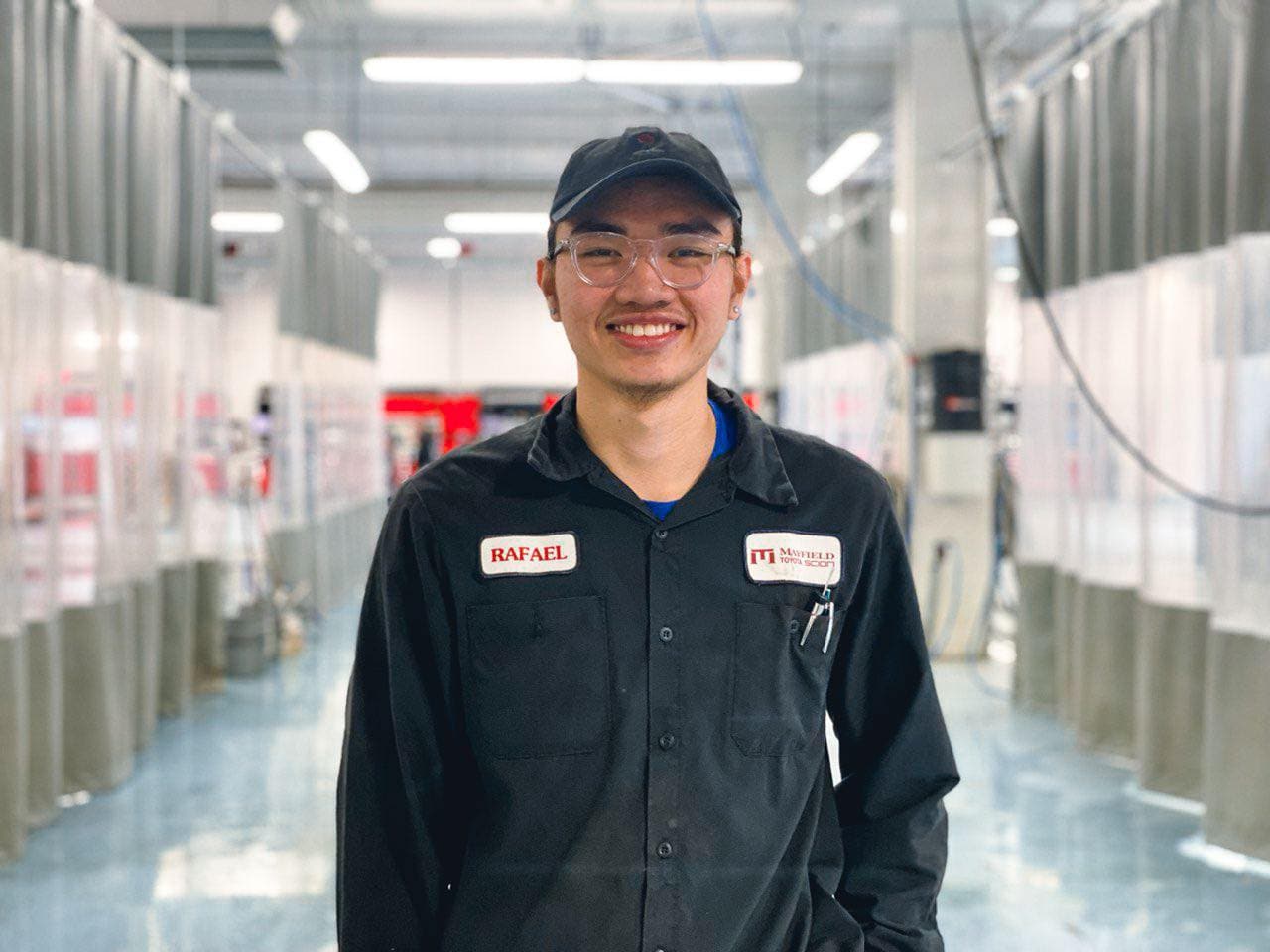
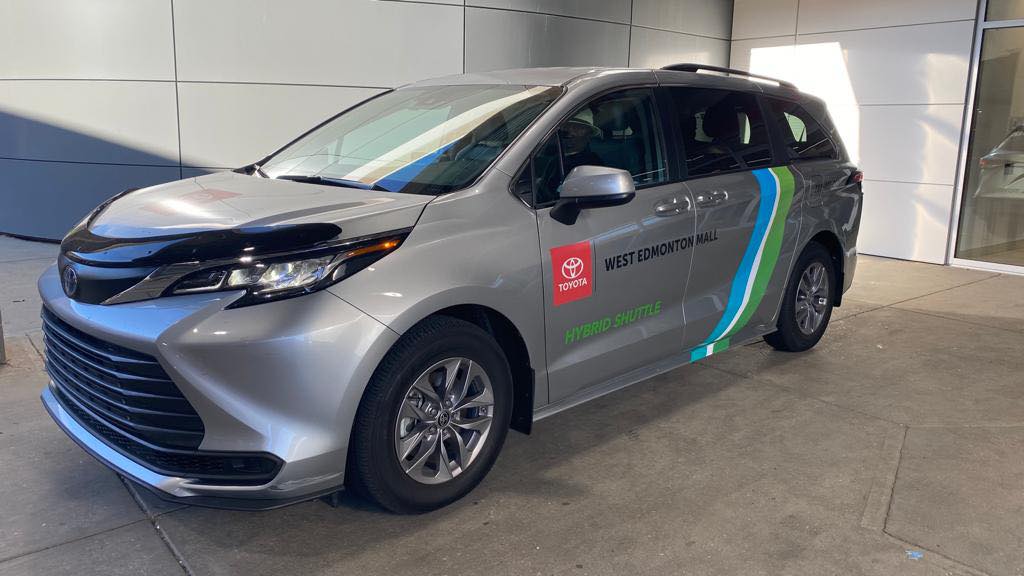
We also have a comfortable and modern service area to wait in if you prefer. Connect to our complimentary WiFi, grab a cup of coffee and get some work done. Or, make use of one of our hybrid shuttles and get a ride back to the office or home.
Whatever you want to do — we have you covered!
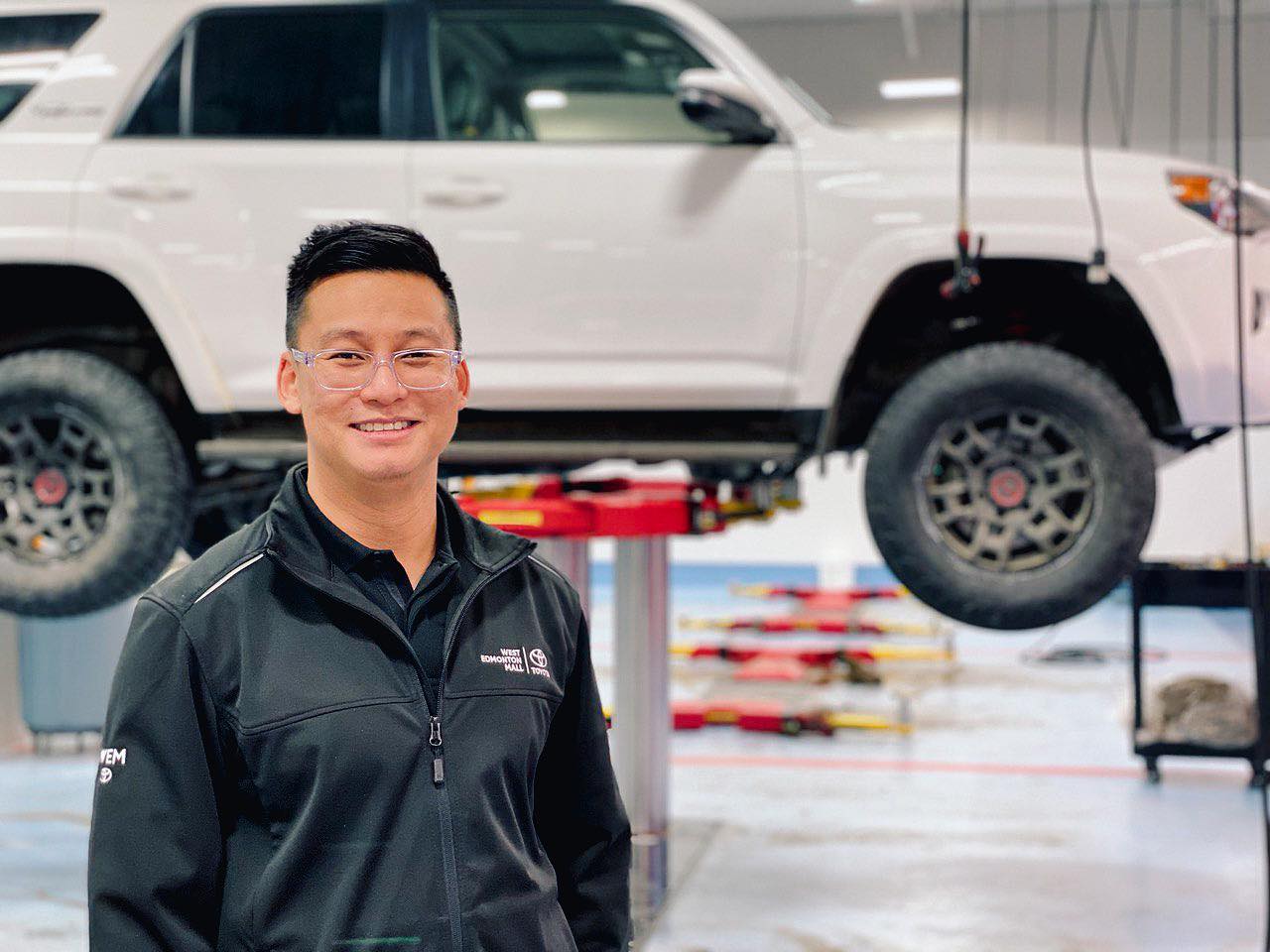
Ready to try our service centre for the first time? Book an appointment for a routine service here or try one of our detail packages. Whatever you decide, our team is here to help every step of the way.
Winter brings challenges that even the most seasoned Alberta driver might have trouble navigating. While most of us living in Edmonton know to only drive with winter tires and to pack an emergency kit in the vehicle, there are a few winter driving tips that get overlooked each year that make a big difference when it comes to preparing yourself for colder temperatures and bad road conditions.
We put together five tips every Albertan should know before they hit the road this winter. With a little planning and some foresight, we hope everyone makes it to their final destination safe and sound.
Also Read: Alberta Winter Driving Tips
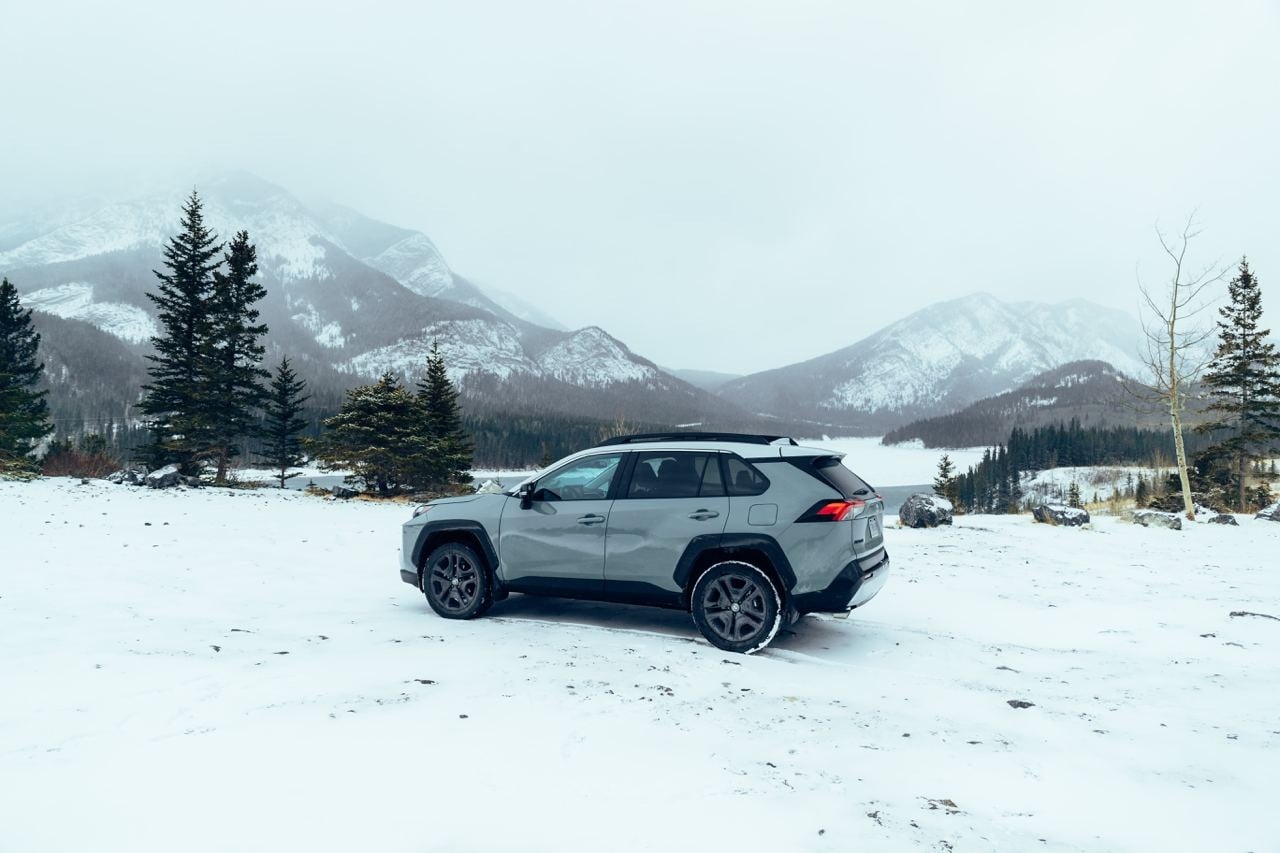
Toyota recommends that you bring your vehicle in for regular servicing every 6 months or 8,000 km, whichever comes first. Each vehicle has its own recommended maintenance schedule which you can follow in the owner’s manual or check online here.
Toyota accounts for seasonal changes so sticking to the schedule makes sure your vehicle has the right fluids (antifreeze, brake fluid, etc.) and parts (winter tires, wiper blades, etc.) to withstand even the most brutal of temperatures.
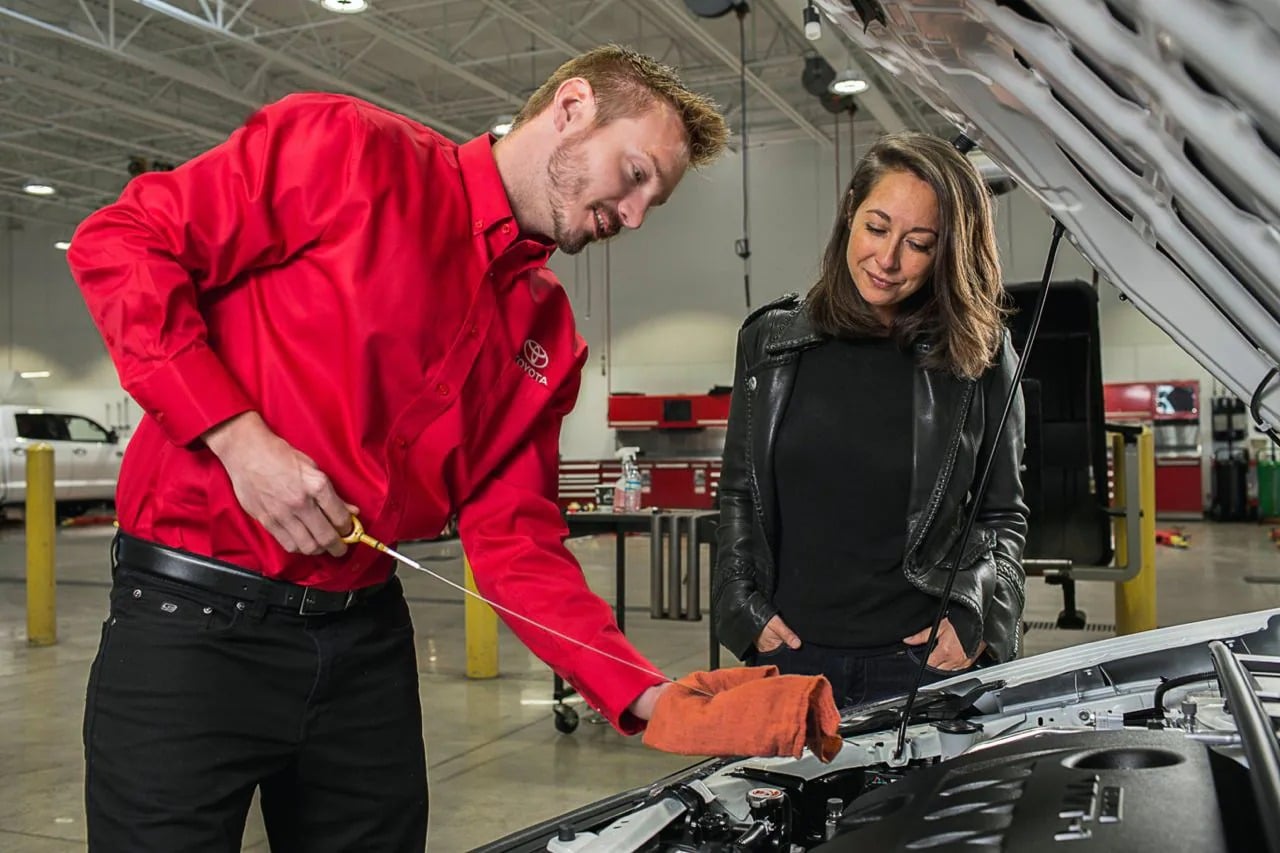
Because we all have a lot going on in our daily lives, the Toyota Service Connect App stays on top of your maintenance schedule for you. It monitors the health of your vehicle and sends push notifications to your phone when it’s time to make an appointment.
The closer your gas tank gets to empty, the higher the chance of condensation building up in your gas lines. If the temperature drops below freezing that moisture can freeze, which can cause serious damage to your engine and in some scenarios lead to breakdowns on the road.
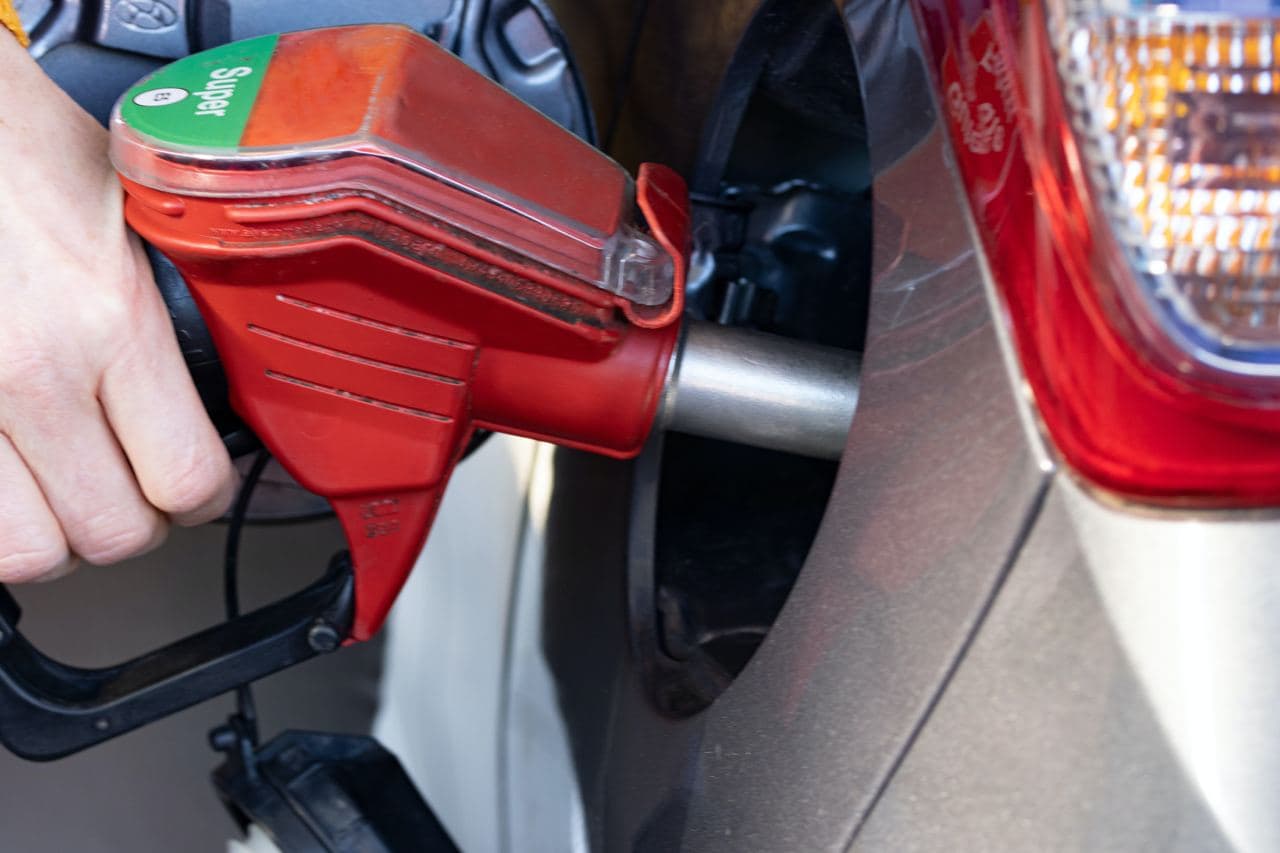
Another reason to keep your gas tank as full as possible is in case of a breakdown. You want enough fuel to keep you and the vehicle warm if you need to wait for help on the side of the road.
We have all been caught driving with frozen wiper blades at one time or another. They get packed full of snow and ice and instead of brushing away sleet and debris they scrape across your windshield and make things worse.
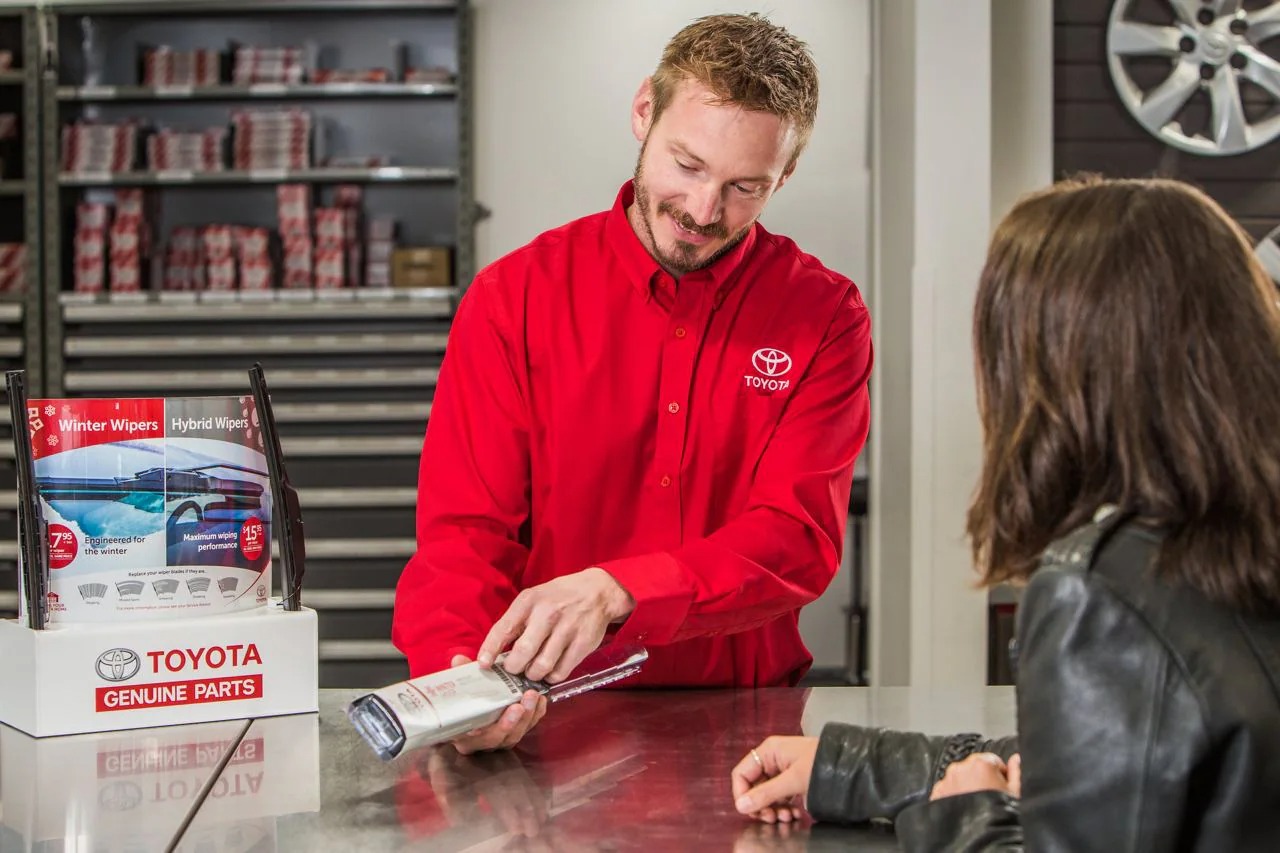
Toyota Genuine Winter Wiper Blades are designed for cold weather conditions and feature a wedge-shaped deflector that removes snow that builds up. After a few swipes, your blades are back to normal and ready to clear your line of sight.
To make things even easier for yourself, we recommend shaking off your blades and leaving them extended in the air when you park somewhere or leave your vehicle outside overnight. This prevents snow and ice from forming around your blades in the first place.
Also Read: Why Buy Toyota Genuine Parts
Everyone loves cruise control on a long stretch of highway. But in the winter months, it might not always be safe. We recommend avoiding using cruise control in the city during the winter months and especially on roads where it might be slippery or icy. If you don’t feel comfortable maintaining a steady speed for a long period of time, skip cruise control altogether.
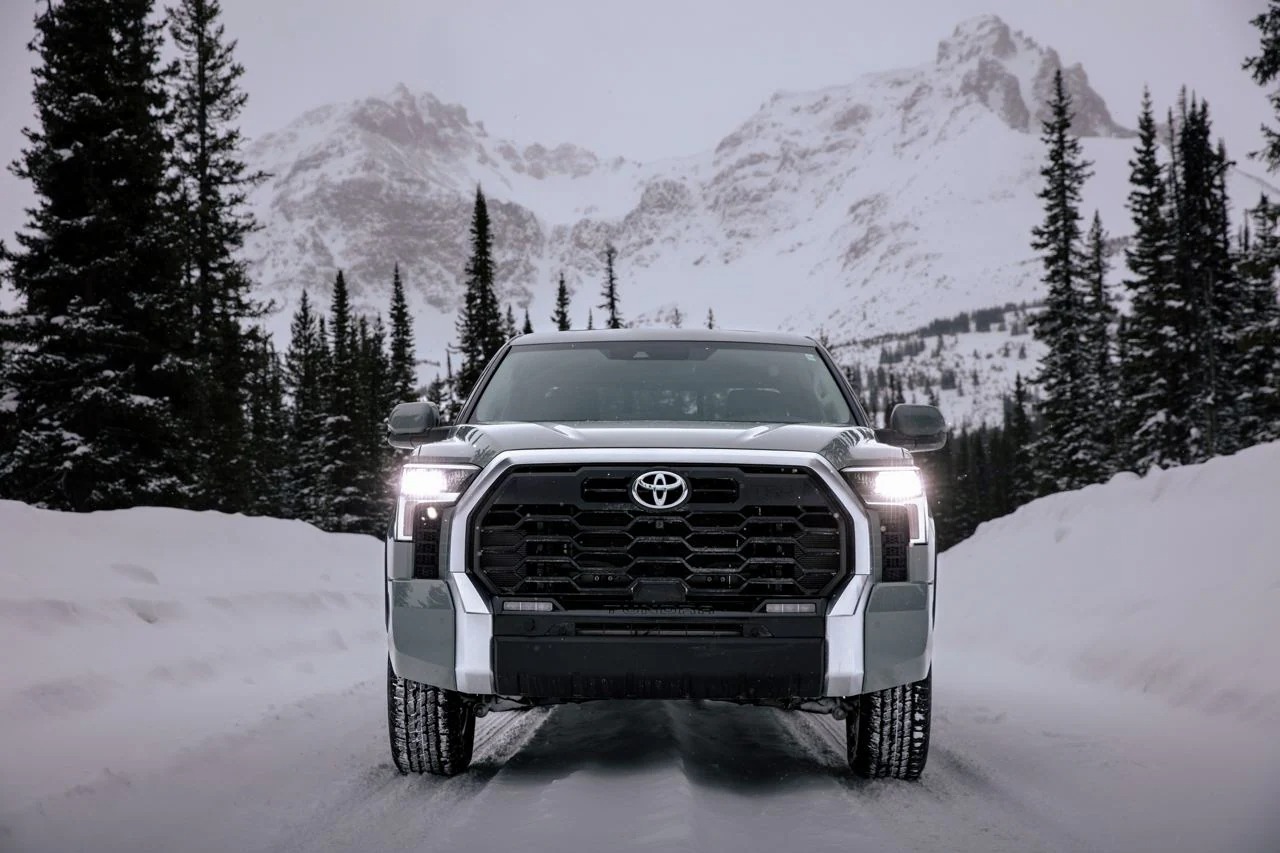
Anything can happen on the road during the winter. From an unexpected storm to highway closures, black ice patches and more, the chances of these situations are even higher in Alberta.
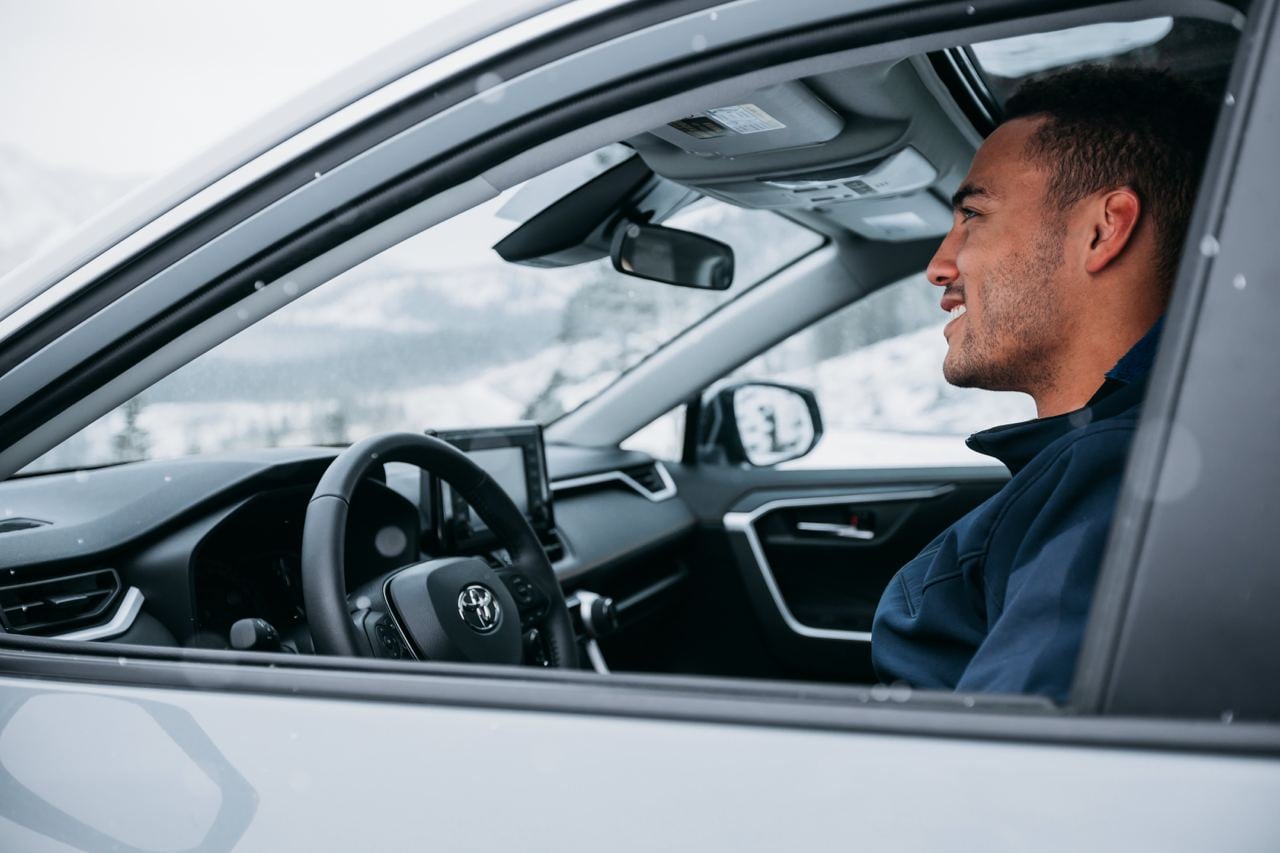
If the time comes and you need assistance, be sure to know how to navigate and use Toyota Roadside Assistance. Whether it’s boosting a dead battery, pulling a vehicle out of the ditch or providing emergency fuel when you run out, our roadside assistance team will make sure you get the help you need when you need it. If you just purchased a Toyota, you are covered with roadside assistance for the first three years of ownership.
Our team at West Edmonton Mall Toyota has been navigating Alberta winters for a long time. We know the ins and outs of taking care of your vehicle so it takes care of you when road conditions get bad.
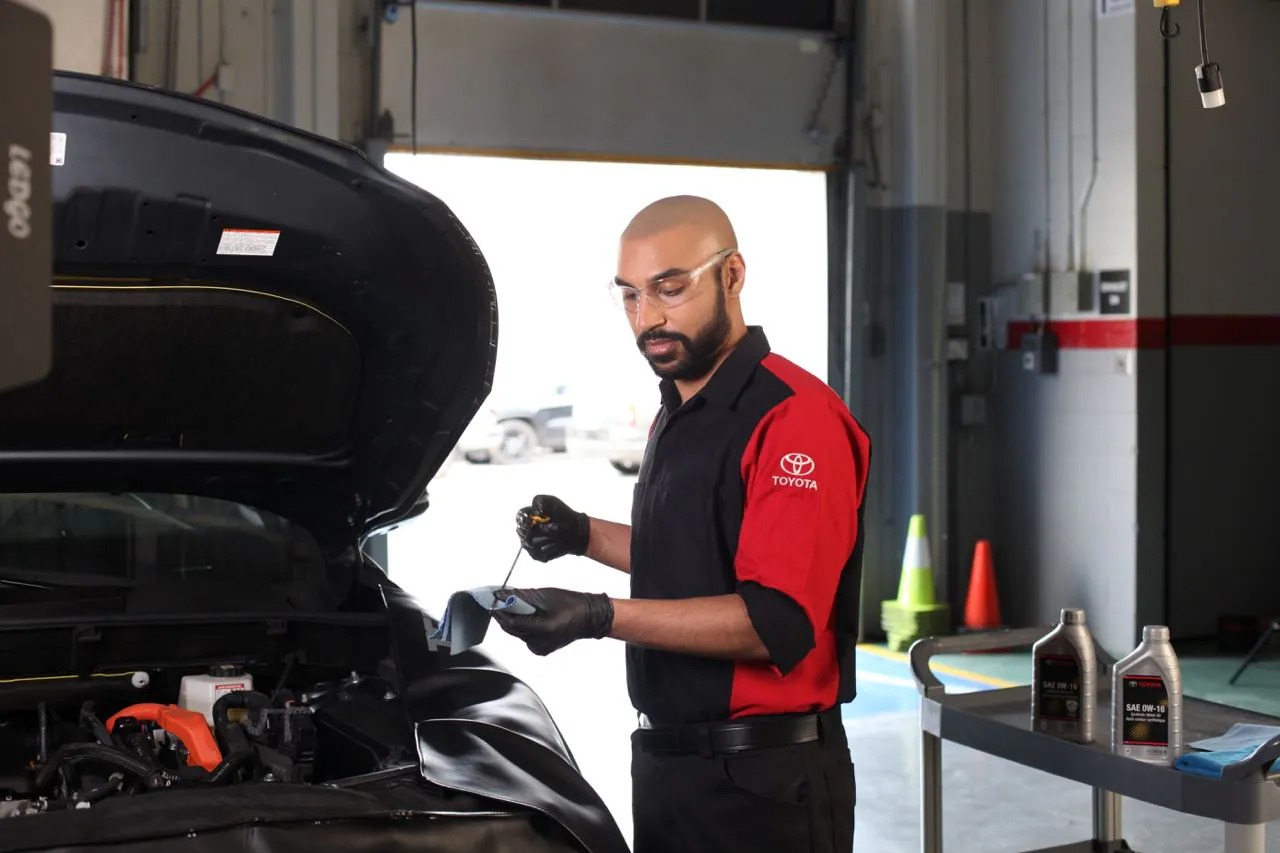
We always encourage our guests to purchase and install winter tires. We also recommend keeping an emergency kit in the vehicle that includes things like a shovel, granola bars, jumper cables, first aid supplies and more.
We also highly recommend bringing your vehicle in for regular servicing so our technicians can make sure everything is working as it should and are able to fix issues before they become worse at the wrong time.
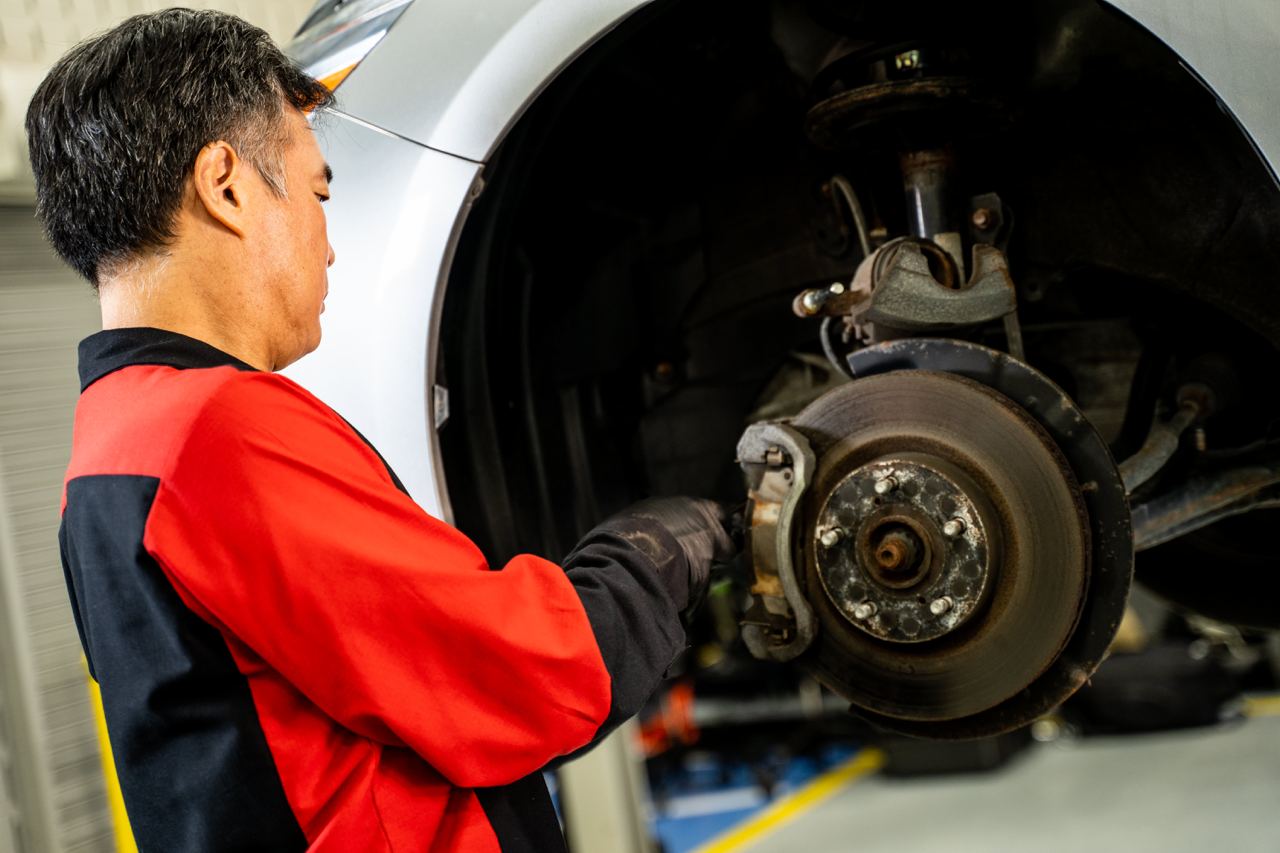
You can make a service appointment at a time most convenient for you or request a part from our team. Need a set of winter tires? Have one of our expert tire specialists choose the right fit for your model.
Brake maintenance is one of the most important parts of regular car servicing. After all, your brakes are what helps you stop. Or, what keeps you from careening off the road or into another vehicle. So yeah, they are kind of important.
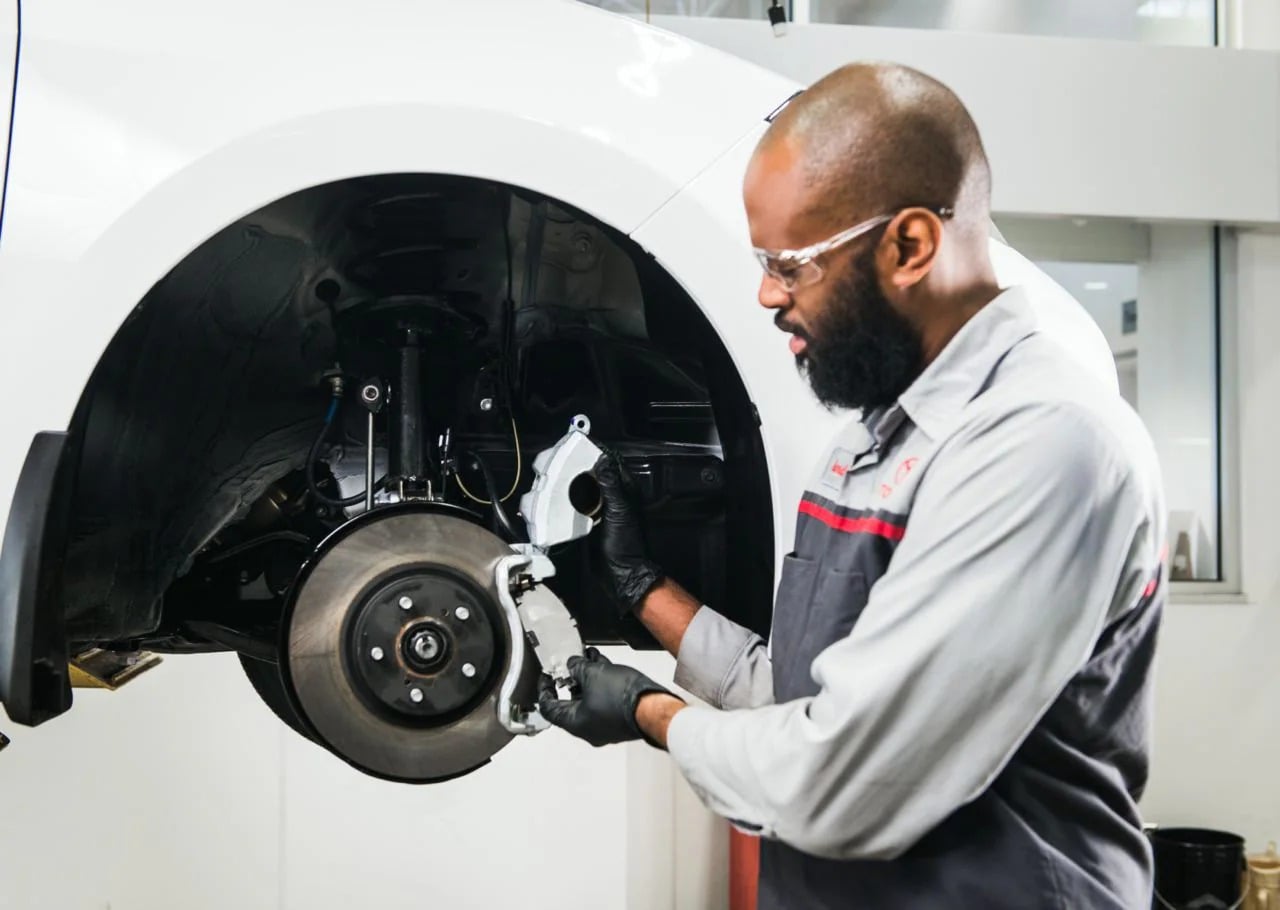
When we think about brake maintenance, the most common part that comes to mind is brake pads, and for good reason. Brake pads are what allows the callipers to produce the friction that ultimately slows the wheels down.
Obviously after a while, this repeated friction causes them to wear down. The more worn they get, the less effective they are at stopping your vehicle. And if they get worn out completely? Your brakes become non-existent. The repercussions of that could be terrible.
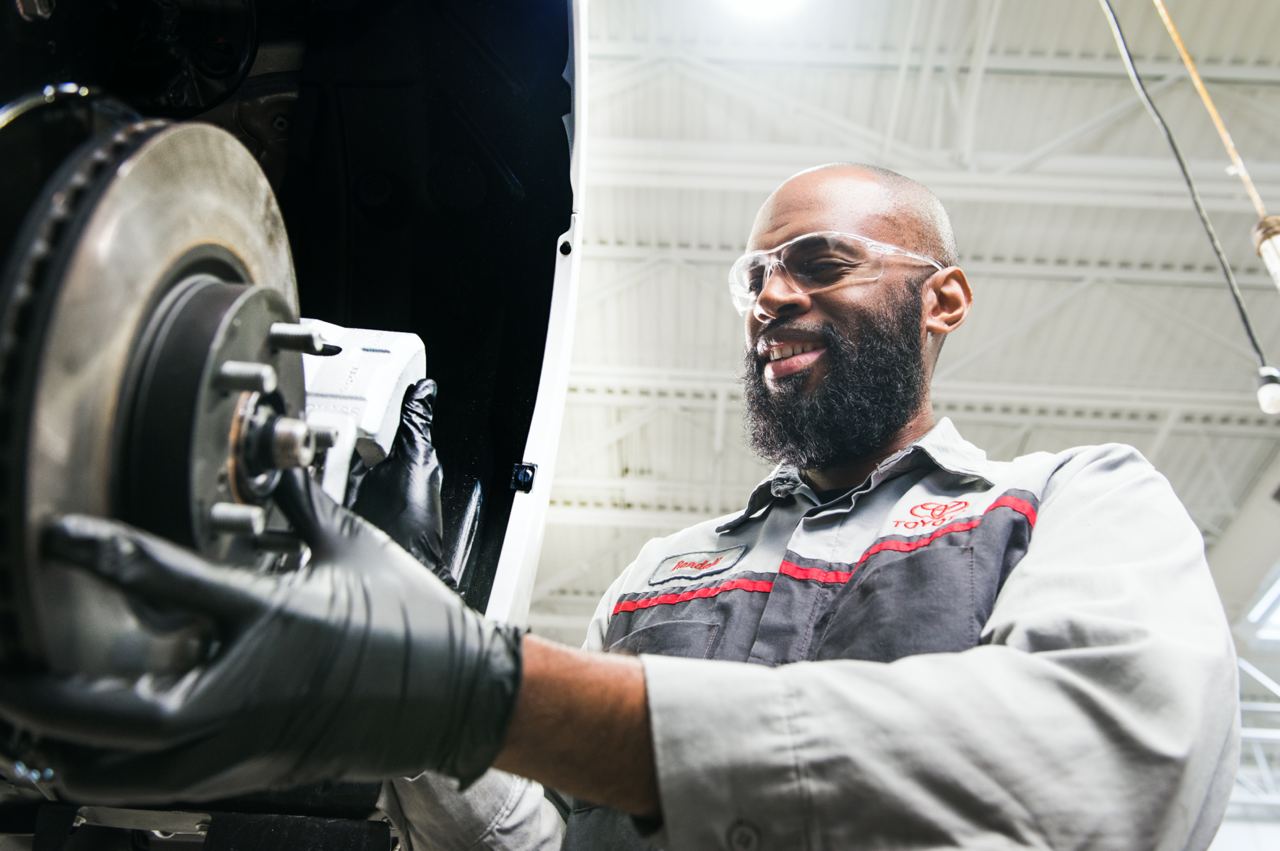
We are not here to scare you. In fact, this post is all about helping you know when the right time is to have your brake pads changed. So you can avoid the headache and cost of more extreme repairs needing to be done later on. Here are 3 effective ways to tell if you need to replace your brake pads.
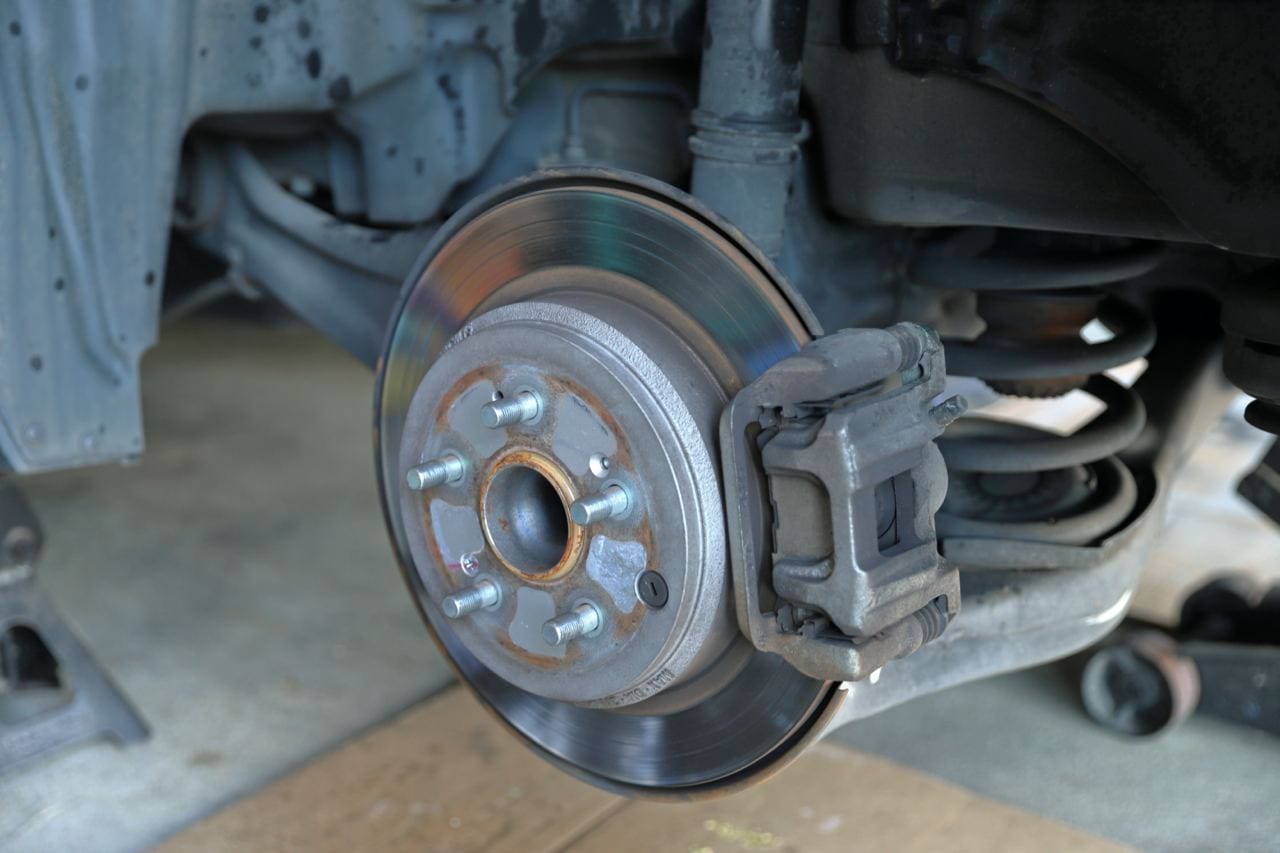
The most obvious indication your brake pads are worn out is the sound your vehicle starts to make when you brake. If you begin to hear a faint scraping, squealing, clicking or even a buzzing sound every time you brake, this means your brake pads are severely worn down and your wear indicators are beginning to scrape against your rotor.
This is a way to warn drivers that their brake pads are in danger of completely eroding away. Think of these sounds as early alarm bells. Heed the advice and book an appointment ASAP!
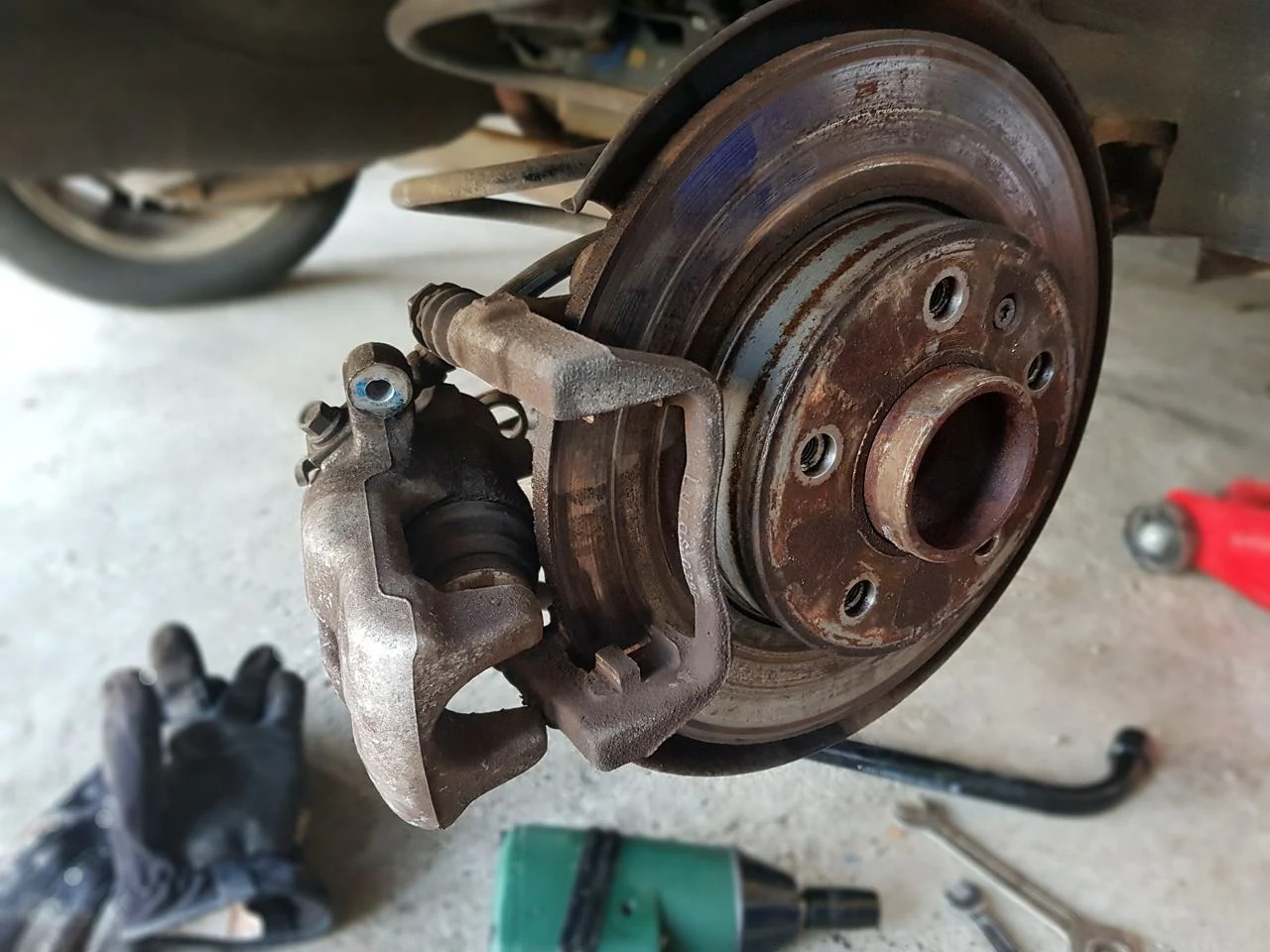
Is your car taking more time than usual to come to a complete stop? This is called “brake fade” and it is particularly common for people who live in hilly areas and spend a lot of their commute driving downhill.
Forcing your brake pads to make contact with your rotors for long periods of time causes them to heat up and wear down. Eventually, their ability to make the friction needed to slow you down is lessened over time. Leading to slower stop times when you hit the brakes.
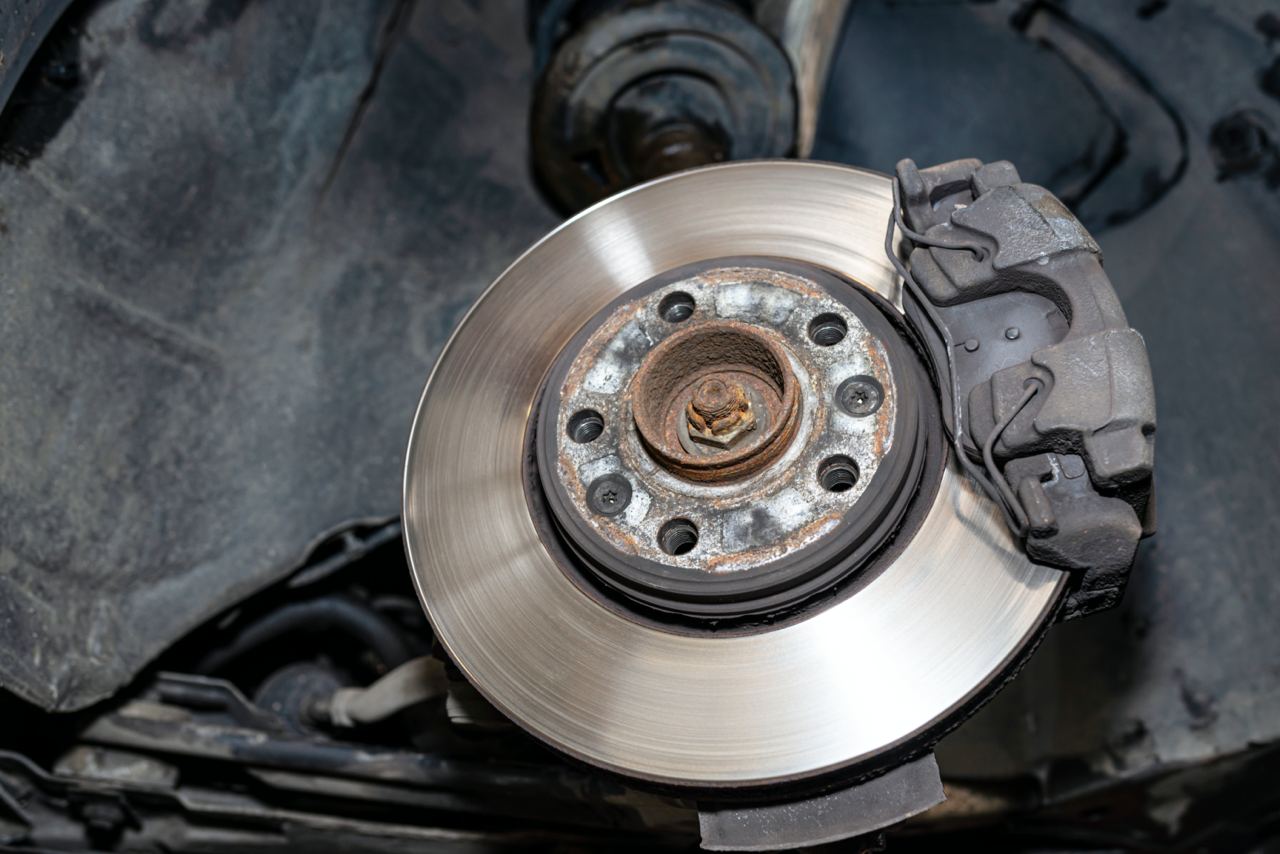
Brake pads never wear out at the exact same rate. Your right brakes might become worn out before the left brakes and vice versa. If this happens, your vehicle might start to get pulled in one direction after you brake. If you ignore this sign for too long, it can have more damaging effects than just the brake pads. It can also affect your steering rack.
Remember, this pulling might also be caused by other factors like uneven tire pressure. The point is – check it out anyways! Something needs to be fixed and it’s better to know at the early stages before it leads to bigger and more expensive problems down the road.
Also Read: West Edmonton Mall Toyota Is Officially Open
If any of these signs already sound familiar to you, it might be time to book an appointment and have the experts take a look. Within minutes, our technicians can identify the health of your brake pads and have them replaced right away.
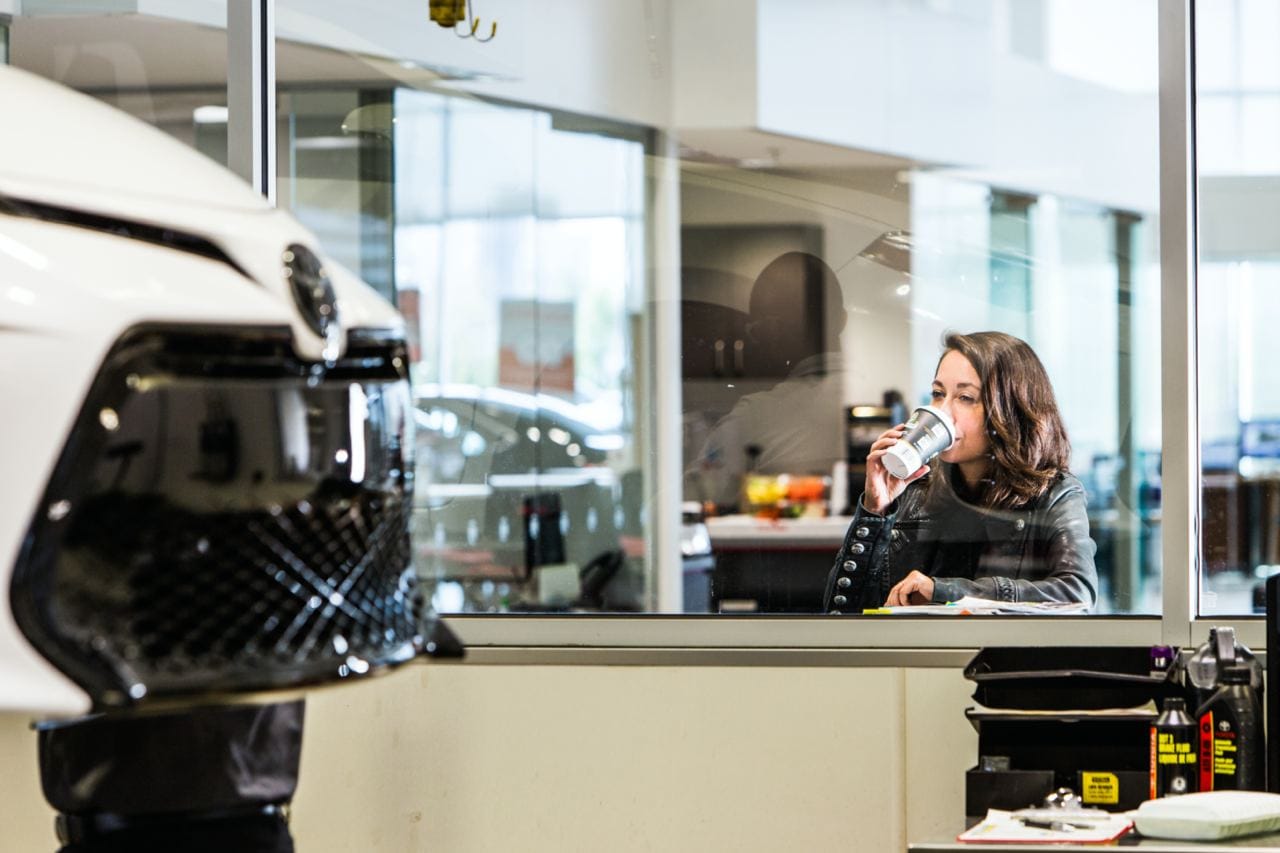
Your brakes are so important. Avoid an accident or more long term vehicle damage and book a service appointment today!
Some Toyota vehicles are equipped with the Continuously Variable Transmission (CVT) that offers the advantages of increased fuel efficiency and smooth acceleration. Learn how it works and what it means for your Toyota.
Like a conventional automatic transmission, the CVT is connected to the engine by a torque converter which enables smooth engagement and drive-away, but it differs in that it has no fixed gears or gear ratios. Rather the system comprises a set of pulleys that can continuously change under hydraulic pressure and a steel belt that connects the two pulleys.
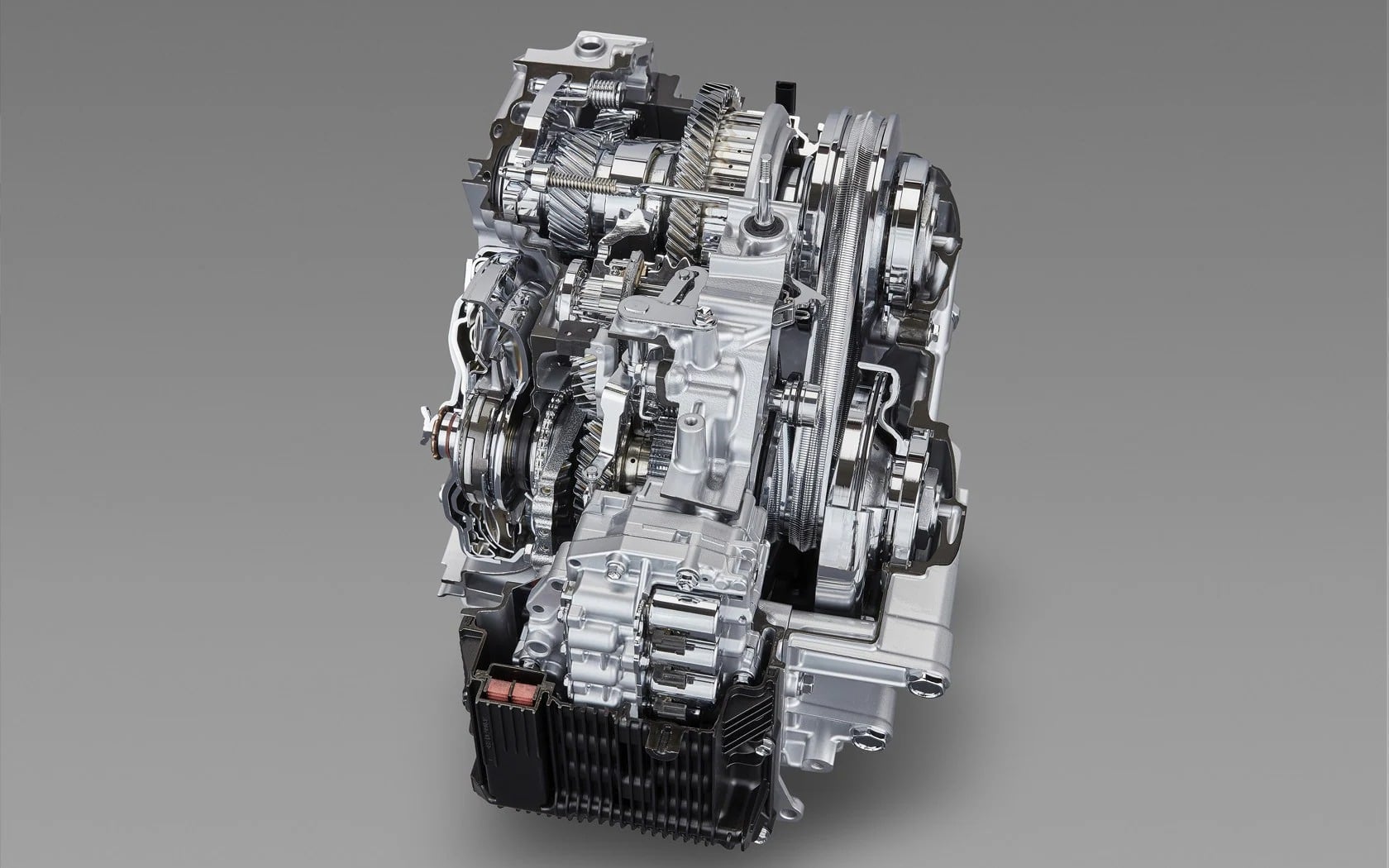
As the radius of each changes and the belt moves up or down in its grooves, the speed ratio between the input and output pulleys also changes, just as the ratio between input and output shafts in a conventional shaft changes when gears shift. With a CVT however, there is no shift shock as the transmission is continuous rather than in steps.
A control system integrated with the engine precisely controls the pulley ratio and speed in accordance with the drivers’ accelerator pedal application and other factors to optimize both fuel efficiency and performance. The result is smooth and powerful performance combined with excellent fuel efficiency.
When decelerating, the CVT system enables direct engine braking and corresponding deceleration further enhances fuel efficiency. An uphill/downhill shift control function ensures adequate driving force on uphill grades and engine braking going downhill.
‘D’ Range – on the shifter enables the broadest range of automatic control and is suitable for most normal driving.
‘S’ Range – operates within a lower range of pulley ratios, enhancing acceleration responses.
‘B’ Range – which generates greater engine braking force is useful for descending steep hills.
Engaging ‘Sport Mode’ on models that are equipped causes the CVT to operate within a lower range of pulley ratios so that engine speed rises faster and is maintained in a higher speed range for more powerful response.
During cornering, the CVT maintains engine speed by restricting unnecessary ratio changes to ensure suitable drive force when exiting the corner. When all is said and done, the CVT transmission provides the driver with enhanced fuel efficiency, smooth driving feel and optimized performance.
The features and functions described in this blog might not be applicable to your Toyota model. See your owner’s manual for details. If you found this post helpful, subscribe to our YouTube channel for more Know Your Toyota videos.
(VVT-i) which stands for Variable Valve Timing with Intelligence is a technology developed by Toyota and available on all Toyota vehicles to help optimize the balance of power, economy, and emissions control.
It helps the engine breathe more efficiently by adjusting the timing of the intake valve opening and closing to suit specific operating conditions.
VVT-i helps overcome those inefficiencies. In effect, it helps match the engine’s performance to the existing driving conditions by automatically varying the valve timing to suit engine speed and load.
VVT-i helps the engine deliver low-speed torque when it’s needed without compromising high-speed horsepower. It also lets the engine breathe efficiently when the engine is idling or operating with light accelerator pressure as during around-town driving and low-speed cruising.
It even allows more complete filling of the intake manifold with the air & fuel mixture when the engine is running at high speed to maximize power output.
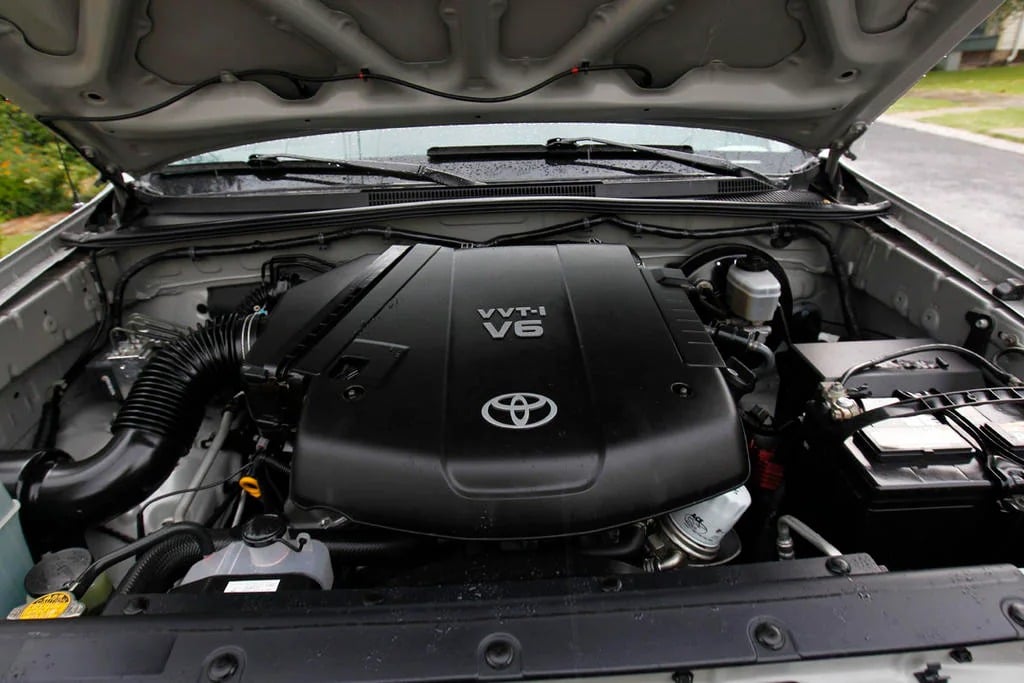
That additional level of control promotes more complete combustion of the air-fuel mixture which reduces the emission of air pollutants.
Dual VVT-i adds the same type of variable valve timing control to the engine’s exhaust valves, further enhancing both performance and fuel economy and reducing exhaust emissions.
Other VVT-i Benefits Include:
In short, VVT-i is a win-win technology that benefits performance, fuel economy, and emissions control, all at the same time.
Available on select 2020 and newer Toyota models, Remote Connect will allow you to complete specific remote vehicle commands from your smartphone, Amazon Alexa, or Google Assistant-enabled devices and smartwatches. Certain commands can also be completed via the vehicles’ key fob. Remote Connect is available on vehicles equipped with the following Connected Services by Toyota multimedia packages:
Audio Plus with Remote + Premium Audio with Remote
After you have successfully downloaded the Toyota app and enrolled in Connected Services, you’ll be able to access a variety of useful commands from the comfort of wherever you are.
To activate Remote Connect on your vehicle, select ‘Enter Authorization Code’ and the app will send a passcode to the email account you used for registration.
Once you have this passcode, enter it into the Remote Connect Authorization app which can be accessed in the menu on your vehicle’s display screen.
Provided your vehicle is in an area where there is reliable cellular service and your smartphone is located in an area with an internet connection, you can complete these commands:
Whenever you open the app, check the status of your vehicle’s doors, windows, as well as the vehicle’s current fuel level, odometer reading, and distance to empty. You can remotely start your vehicle to warm or cool the interior, based on the last climate-control settings your vehicle was programmed at before shutting off. The engine or hybrid system will run for up to 10 minutes or until any doors open or the engine is turned off remotely.
To complete the command, press and hold the Engine Start/Stop Button for one second until the red circle around the button starts spinning. After a few seconds, you’ll receive confirmation if the action was successful.
NOTE: The app does not replace the function of the key fob. You will not begin driving your vehicle without the fob.
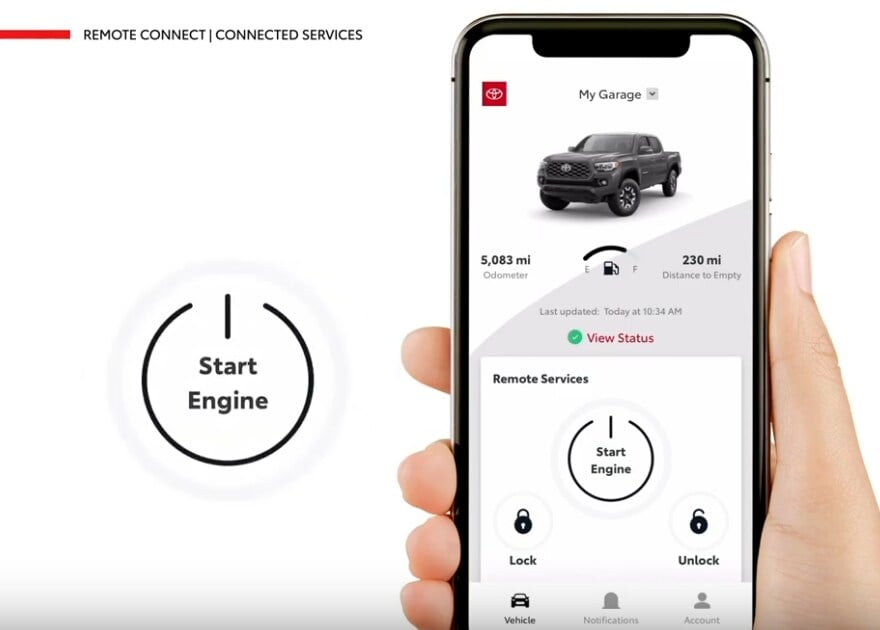
On either side of the remote engine button, you’ll see a Lock and Unlock icon. To complete the command, simply press and hold the icon for one second – until the red circle around the button starts spinning. After a few seconds, you’ll receive confirmation that the action was successful. And if you unlock your Toyota remotely, the doors will automatically relock shortly after if no further action takes place.
The Last Parked Location feature makes finding your vehicle on the street or in a covered parking lot easier than ever. Using the map inside the app can help guide you to your vehicle’s last known parked location.
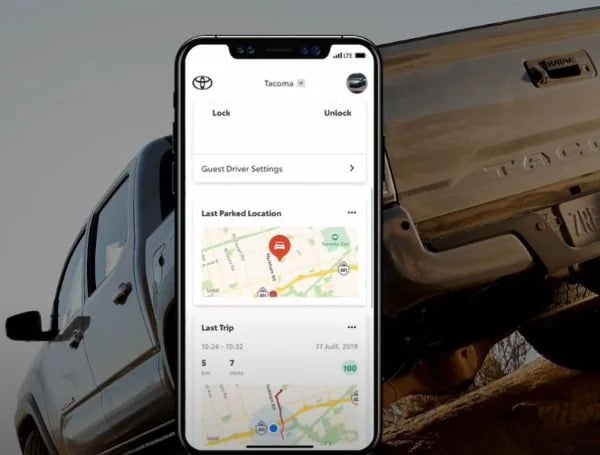
Are there other people driving your vehicle from time to time? Do you use valet services often? Rest assured knowing that you can set parameters on speed, curfew, kilometers driven, engine run time, and distance from a set location. If your parameters have been exceeded, the app will notify you by sending an alert.
Before you can start using any of these features, you’ll need to download the Toyota App and enroll in your Connected Toyota services.
Note: You must have an ACTIVE Remote Connect subscription to use any of its compatible technologies including the Toyota Skill for Amazon Alexa, the Toyota Action for Google Assistant, or smartwatch compatibility.
Before using Remote Connect be sure you are using it in a safe and compliant manner. For more information and to see if your vehicle is compatible, click here.
Available on 2020 and newer Toyota models, equipped with Remote Connect, Amazon Alexa will allow you to complete select remote vehicle commands from your Alexa built-in home device. To use these commands, you’ll need to be enrolled in Remote Connect. You will also need to have an Amazon account. Download the Alexa app and connect the Toyota Skill For Alexa to your Toyota app account.
A skill is like an app for Alexa. It has been created by Toyota and can be used to initiate certain remote functions on equipped vehicles. Follow these simple steps to get started.
STEP 1: Ensure your vehicle is equipped with Remote Connect and you have enrolled in the service.
STEP 2: Sign in to your Amazon account on amazon.ca or open the Alexa app. Search for and enable the Toyota skill. On the app, tap Menu, then skills. Here search for “Toyota” and then select and enable.
STEP 3: Once enabled, sign into the skill with your Toyota app login.
STEP 4: Select your vehicle, create and confirm a four-digit PIN and then select SAVE.
The PIN you created will be needed for commands that result in a remote action, like starting your vehicle and unlocking the doors. The PIN is not required to retrieve vehicle status information.
Provided your vehicle is in an area where there is reliable cellular service, and your Alexa built-in device with the Toyota skill is connected to the internet, you’ll be able to complete the following demands. With Amazon Alexa, you can remotely start and stop your engine as well as remotely lock and unlock your doors. It can also provide status updates by answering questions like “how many kilometres are on my car?” and “how much fuel do I have?” and more.
Before you use the Toyota Skill for Amazon Alexa be sure you are using it in a safe and compliant manner. For more information and to see if your vehicle is compatible, click here.
It’s only the first week of April, and the high has already been 16°C in Edmonton. That means spring has sprung and now is the time to take your Toyota in for a service. Toyota recommends taking your vehicle in for servicing every 8,000 km or 6 months, depending on what comes first. Because winter is so hard on your vehicle, spring is the perfect time to bring it in and minimize the damage the cold months caused.
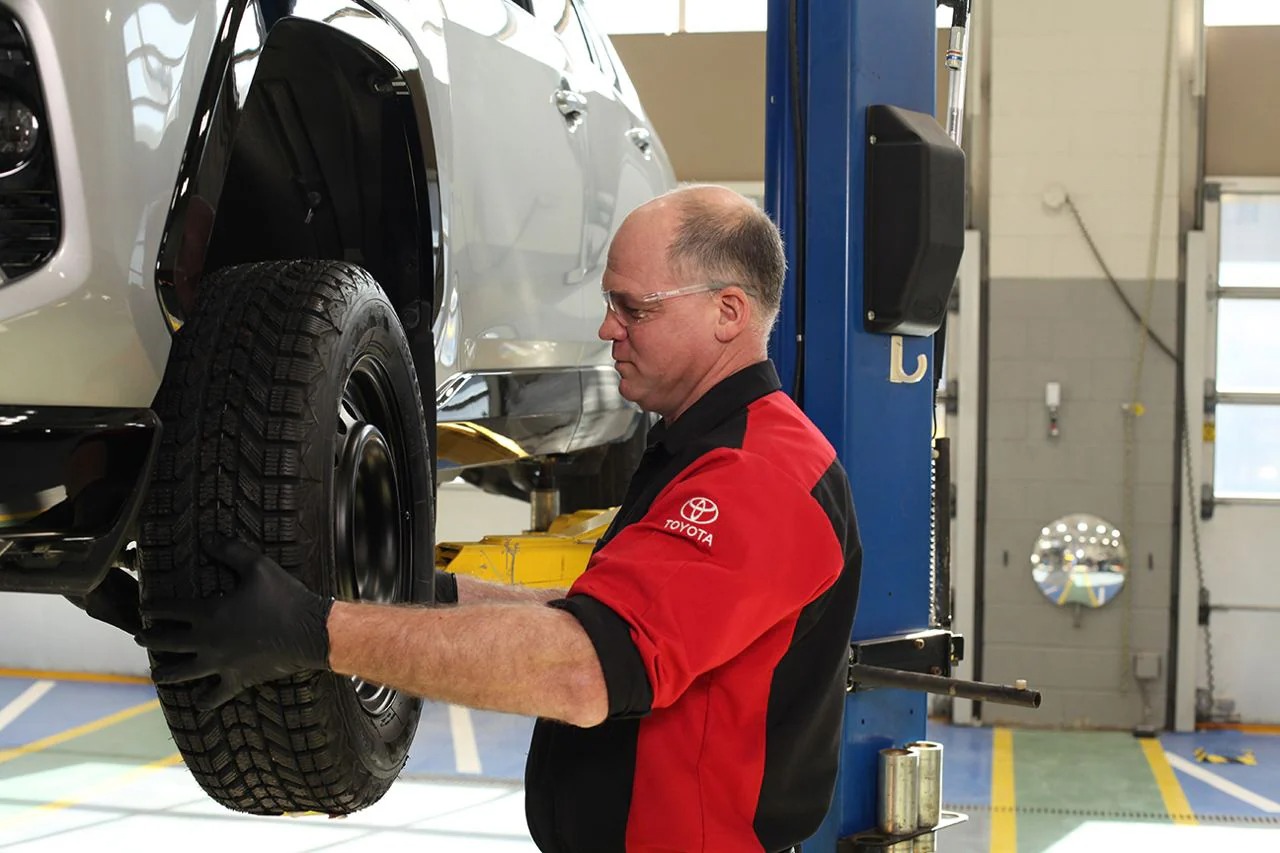
Alberta winters are incredibly hard on your Toyota. Whether you drive a Tacoma or a Corolla, the extreme temperature changes can play havoc on their rubber parts affecting everything from your wiper blades and door seals to washers and hoses.
Part of a Toyota spring service is examining each of these parts and replacing any that have become too damaged. We also check and top up all your fluids as well as rotate your tires. We even inspect all the hoses related to your brakes.
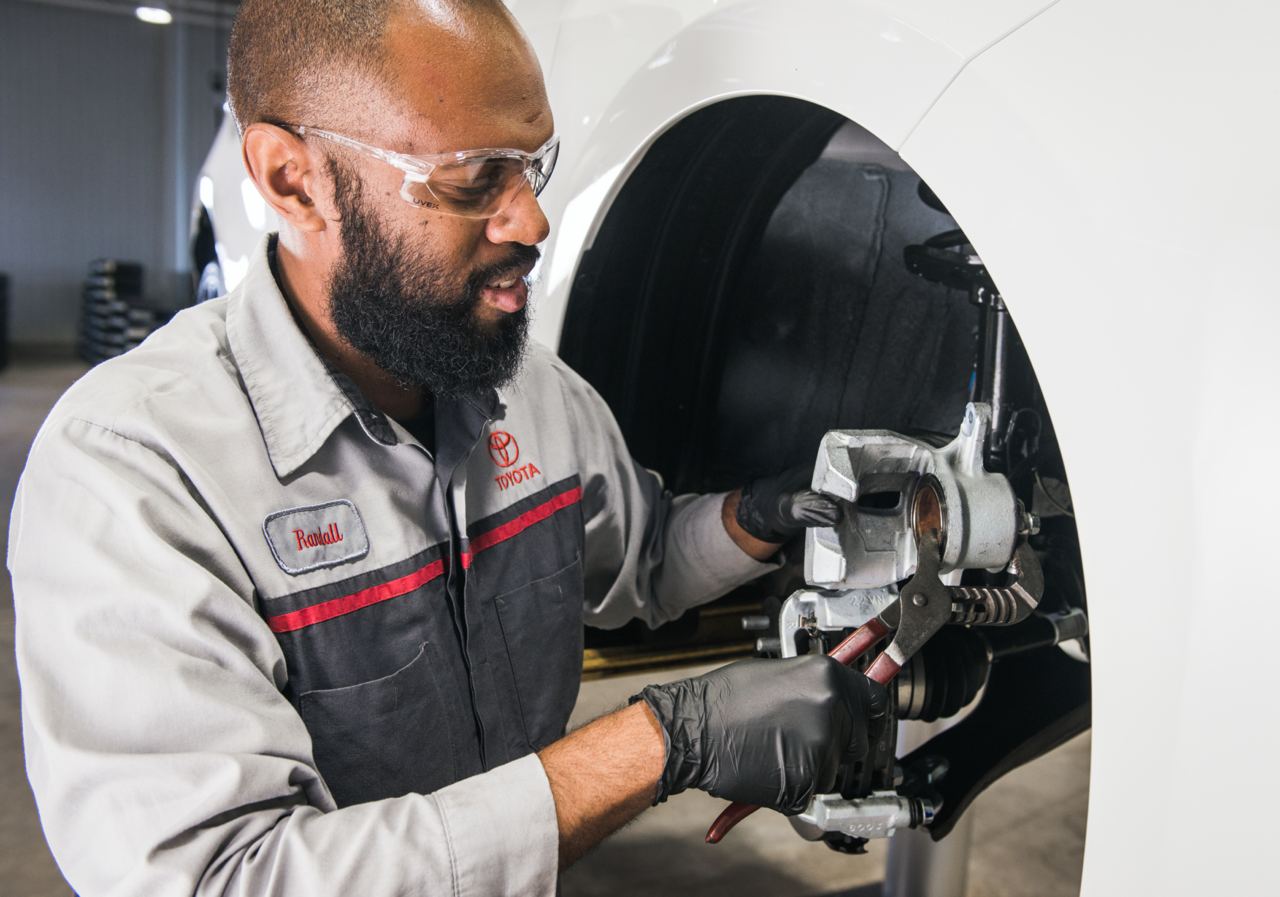
The extreme cold weather can also cause the electronics in your vehicle to suffer. Even your lights can become affected by the road salt. When our technicians check your vehicle during an annual spring service, they make sure every electrical component within your Toyota is still running as it should.
If you live in Edmonton, chances are you have been on the Henday after a fresh salt mixture has been poured. While it does help keep the roads less icy, it can cause serious damage to the metal components of your vehicle – everything from your connectors to brake pads, rotors, brake lines, hoses, and linkages can suffer. We take the time to visually inspect each of these components and let you know what needs to be changed so you can avoid any breakdowns in the warmer months.
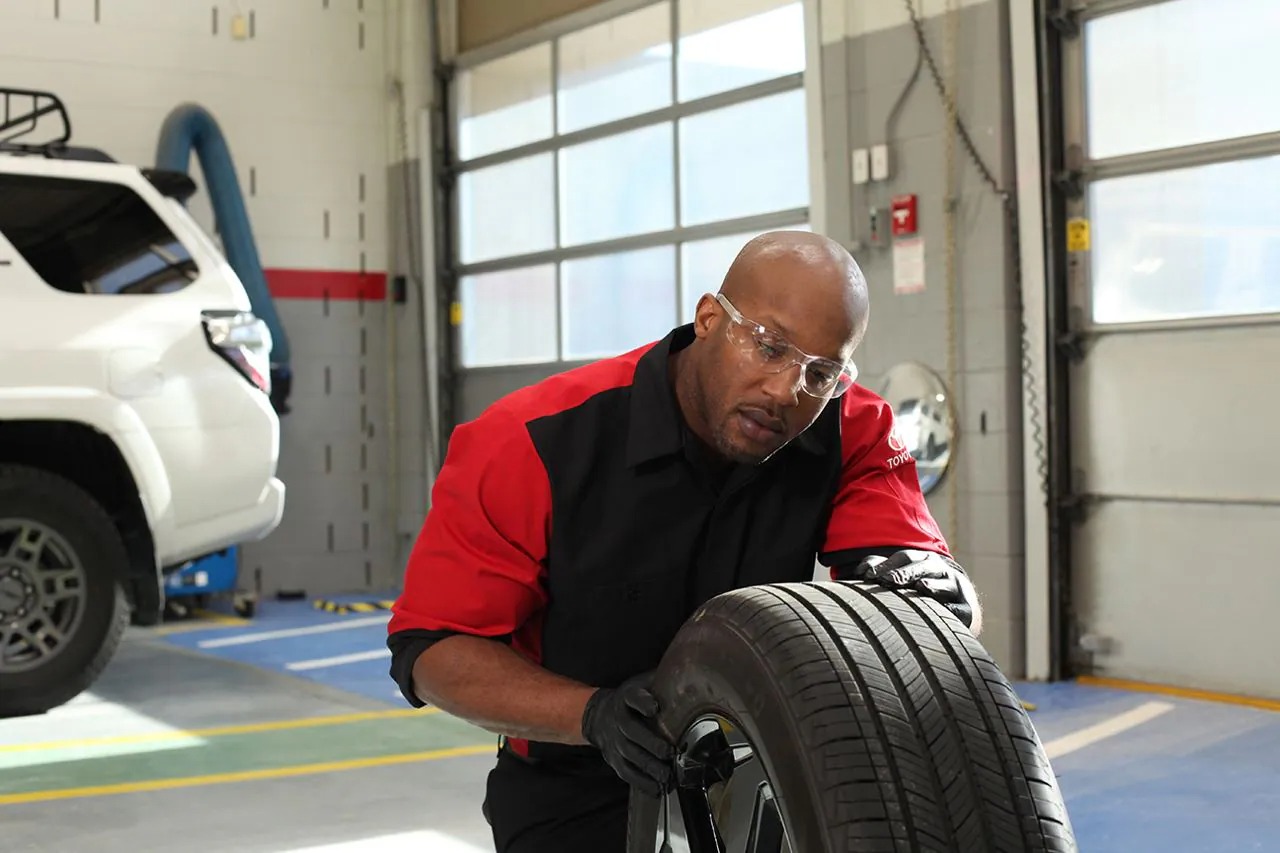
Because you probably had your head cranked all winter long, it’s a good idea to check your air filters and make sure they are debris-free. Even more important is making sure your air conditioning is working so when the sun does come out, you can drive to your destination comfortably.
After several months of cold weather, driving to and from work, your vehicle fluids eventually start to get low. While some things are easy to top up on your own, like your washer fluid, there are other important fluids to keep in mind including your brakes and inverter coolant.
One of the most important fluids in your vehicle is your engine oil. If left unchecked for too long, it can start to break down and eventually damage your engine. Making sure to check your engine oil every 8,000 km or 6 months is one of the best things you can do for your Toyota. Thankfully, on your spring service – we do that for you!
By now, you probably know you need to take your winter tires off when the snow melts. It keeps the tread on your winter tires strong for the next cold season and your all-season tires are far more effective on the dry pavement.
Part of your spring service includes swapping over your tires, but we also go one step further. We thoroughly inspect your all-season tires before we install them. We double-check tread depth, their sidewalls, etc. to make sure they are safe.
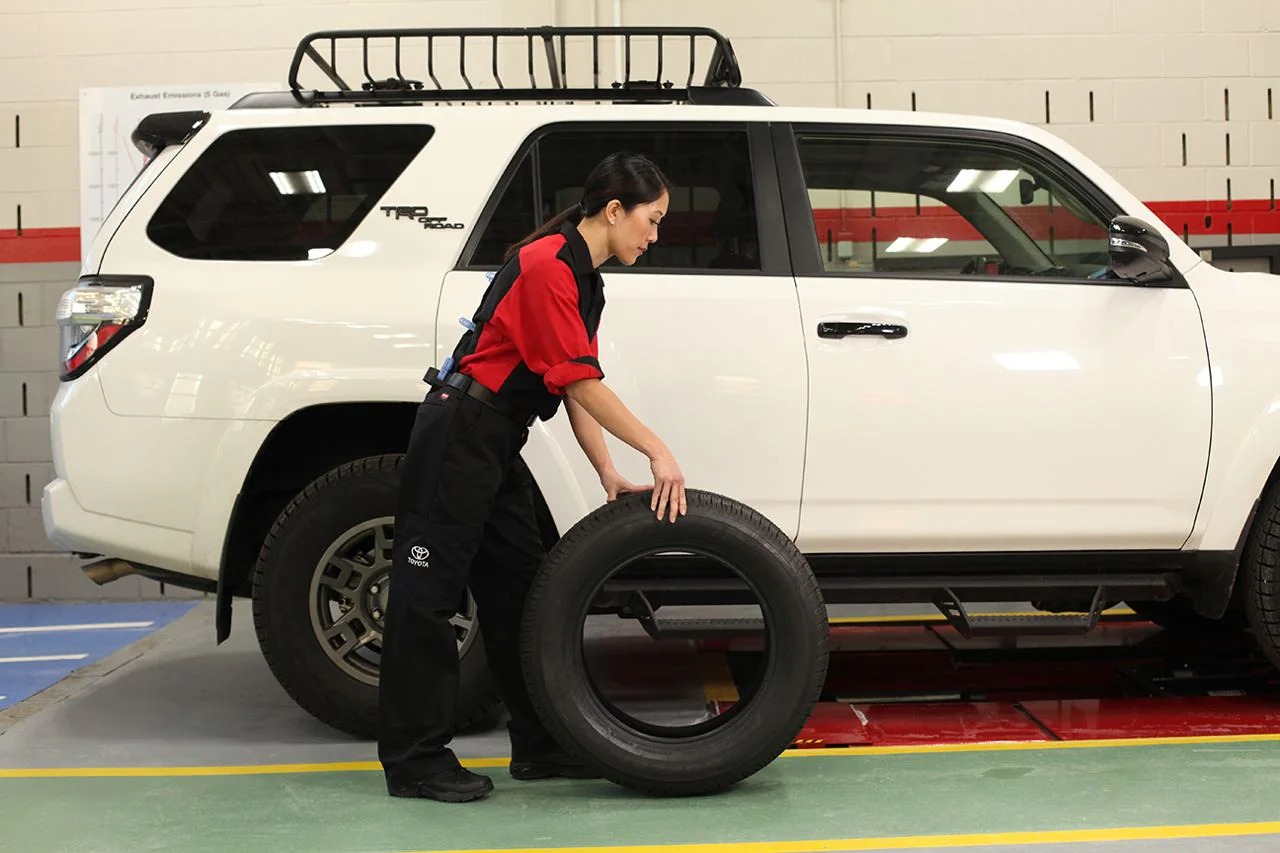
There are a million and one things to remember when you own a vehicle. Changing your tires, getting regular oil changes, keeping up with recommended maintenance. How does someone stay on top of it all? That’s what we’re for!
Your Toyota vehicle comes with a Recommended Maintenance Schedule so you can check when the appropriate time is to make the right appointments – whether you drive a Corolla, RAV4, Tundra, Avalon, or C-HR.

Winter is tough on your vehicle and can cause damage you might not even see. From starting it up in cold temperatures to driving on salt-covered roadways to winter storms and more, fluids get low and parts get worn down.
The Mayfield Toyota team is here to make sure your vehicle has everything it needs to transition from winter to summer safely. So your Toyota can stand the test of time – and you can have peace of mind knowing you won’t break down.
It looks like Edmonton is experiencing another cold spell with temperatures dropping below -40 celsius. For some of us, staying inside and hibernating is an option. But for most of us, life goes on which means you need to be able to depend on your vehicle.
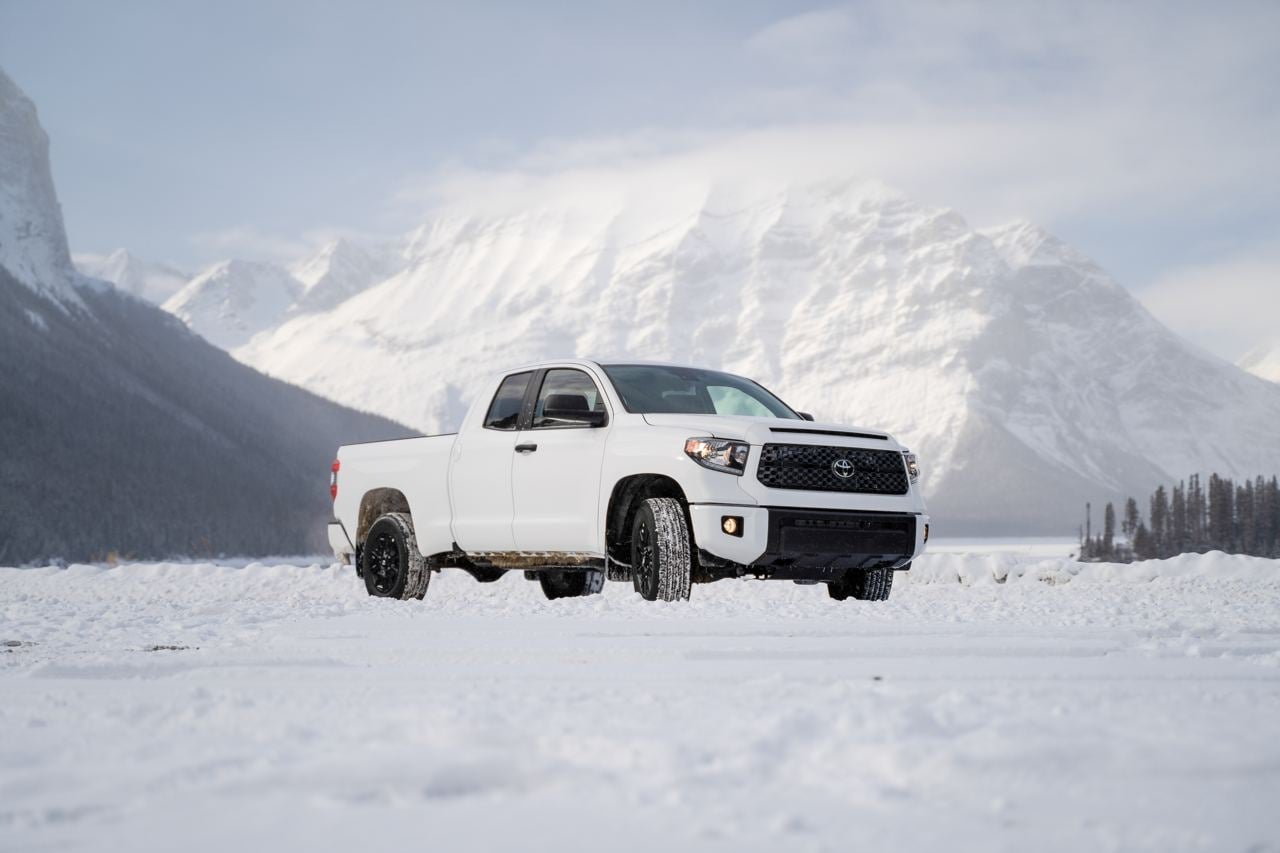
So how do you protect your Toyota in extreme cold weather? We put together five helpful ways you can lessen the effect of winter weather on your vehicle and ease your mind on your frosty morning commute. If you have questions about your Toyota or need to book a service appointment, visit us online or call us today.
Cold weather can wreak havoc on your car battery, especially if it is particularly old (over three years). Before you chance it will survive another Edmonton cold spell, bring it to the team at Mayfield Toyota for a battery check-up. We can look for any weakness and even let you know what temperatures your battery is at its most vulnerable. We also make sure your terminals are clean in case you need a boost later.
While hiding indoors until the polar vortex is over might seem ideal, that also means your car is left sitting for long periods of time in the cold. We recommend starting your Toyota every so often and even taking it for a few trips around the block. Driving every day keeps that extreme cold at bay as the warm engine heats up your battery.

There are dozens of great reasons to keep your car gas tank full in the middle of winter. For us, the first is in case of an emergency. Driving on Alberta winter roads, whether it be the Toyota Tacoma or the Toyota Tundra, can be dangerous at the best of times. You might hit black ice traveling down the QE2 or worse yet, you could get into an accident and hit the ditch in the dead of night. The last thing you want to be worrying about is preserving fuel to stay warm.

Another reason to keep your gas tank full in cold weather is to minimize condensation which will help you avoid frozen fuel lines. As well, when there is more room in your tank (because there is less fuel) dirt particles can get trapped and block your fuel filter. This can lead to costly repairs down the road if ignored. The moral of the story? While it might suck pumping gas in -40 degree weather, it will save you a major headache down the road.
We recommend making an appointment and having your oil checked before the next cold snap hits Edmonton. As it gets colder, your oil gets thicker and it becomes difficult for your engine to pump and circulate it through. While this is not always a big issue for newer model vehicles that use synthetic oil, sometimes older models can have troubles. Regardless, the best practice is to ensure your oil is topped up and ready to go for when you need to make that hasty trip outdoors in the middle of winter.
While all our other recommendations are important, the best way to protect your Toyota in extreme cold weather temperatures is to get Toyota Comfort+, a new set of heating accessories designed for the Canadian driver.
The first component of Comfort+ is the Block Heater. Essentially, it warms your motor oil up when your vehicle is plugged in overnight. It also lubricates your engine so when you fire your Toyota up in the morning, it smooths out the start and reduces the fuel suck.
The second component of Comfort+ is the Cabin Warmer, a compact interior heating system that is a serious game-changer in the winter.
What does the Toyota cabin warmer do?
Did we mention this all happens without ever having to turn your Toyota ON? Talk about another great reason – the fuel savings alone are worth it!
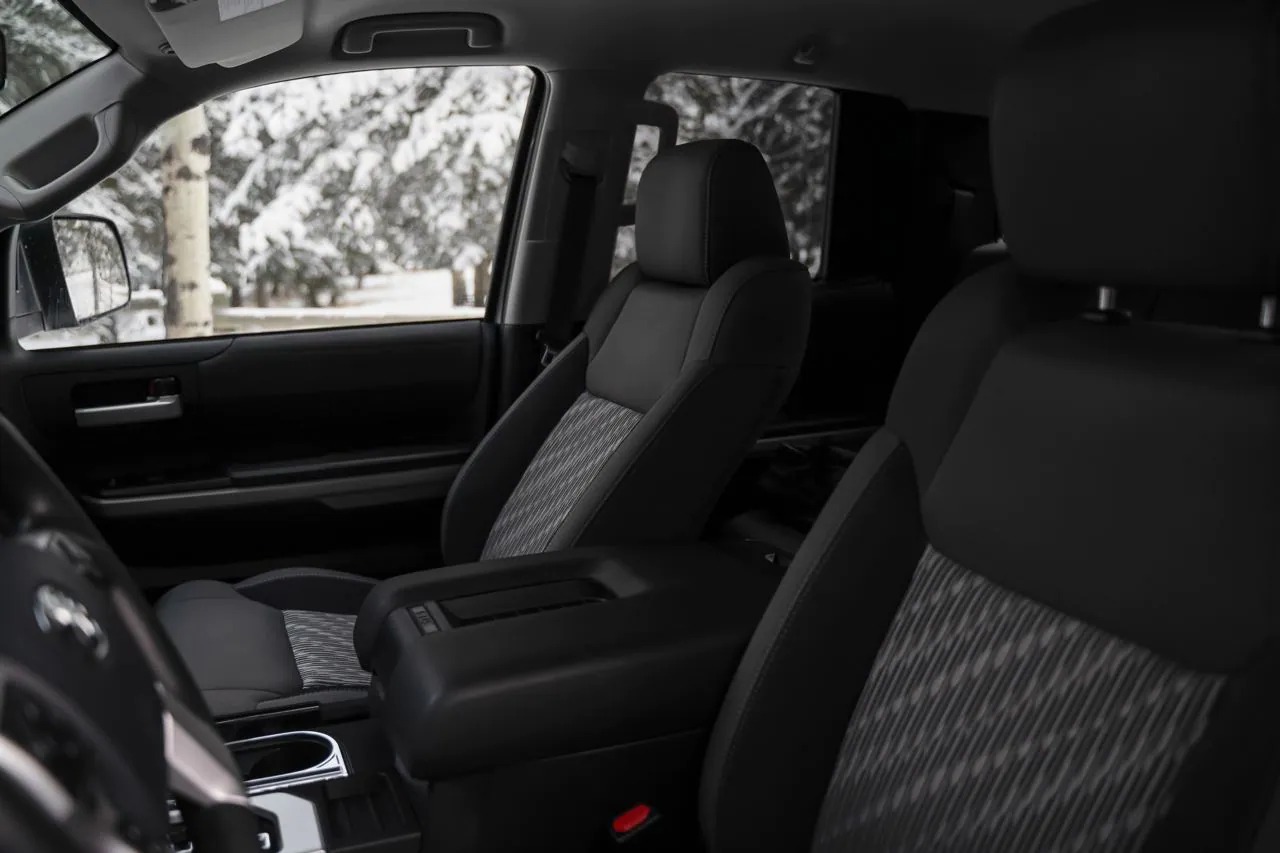
The final component of Comfort+ is the Trickle Charger. It helps extend the life of your battery and keep it at its best charge level at all times, which can vary depending on the outdoor temperature.
The trickle charger comes with a sensor and system that determines how hot or cold it is outside and adjusts the battery accordingly. For those of us without a garage and have to park on the streets, this is an incredible feature that keeps your battery running, even when the temperature drops to frigid levels.
While we survived another week of arctic-like temperatures, knowing Edmonton weather, another cold snap is probably around the corner. If you are worried about your battery health or low oil levels, we recommend booking an appointment to see us at your earliest convenience. We can winterize your Toyota so you have peace of mind the next time the snowfalls.
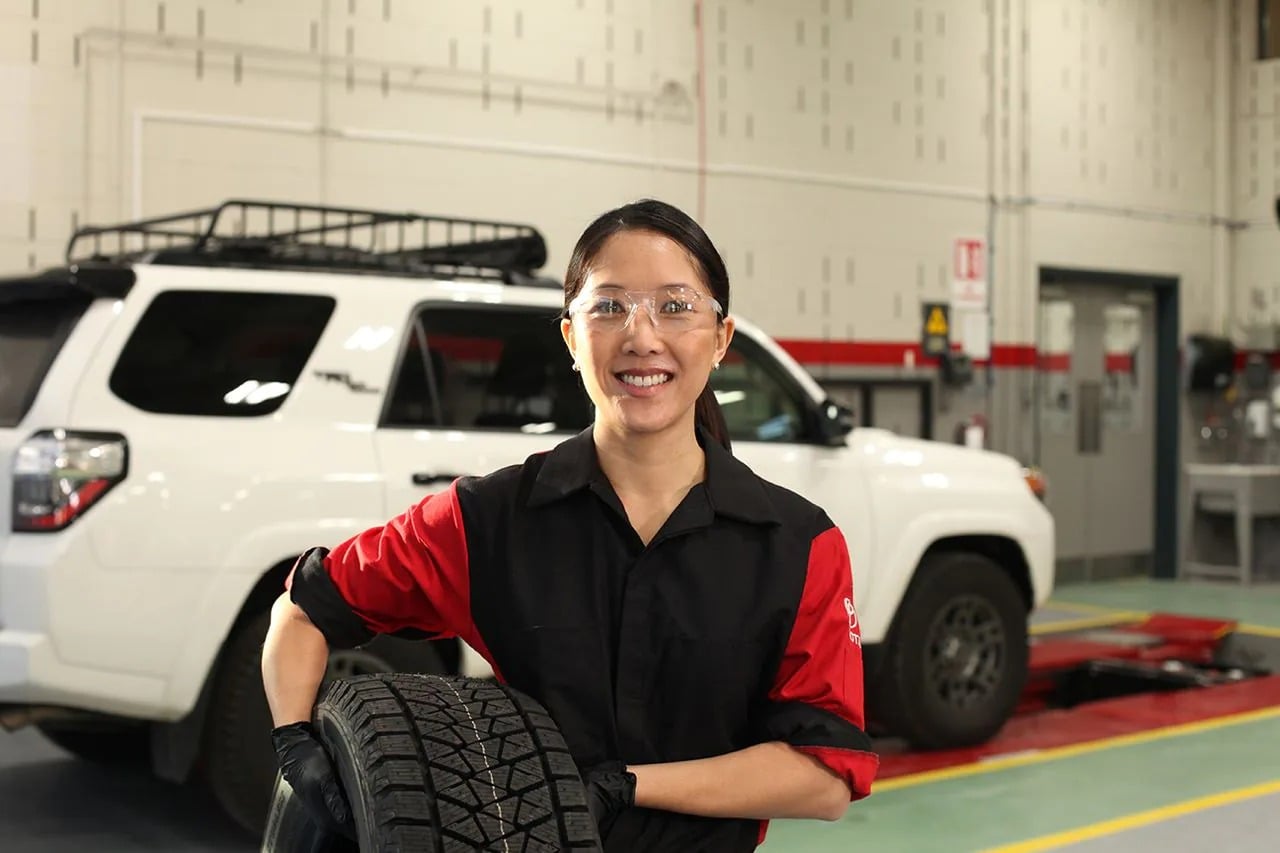
If you want to level up, there is no doubt Toyota Comfort+ is the right decision for you. Not only does it work to keep your Toyota running smoothly during the winter months, but it also makes your comfort level a priority. Forget running out to start your vehicle in the frigid cold. Scraping the ice off your windshield is a thing of the past. Leave your house with a de-iced, de-fogged, and a toasty warm vehicle that starts up right away.
To learn more about Toyota Comfort+, feel free to speak to one of our knowledgeable parts experts or book a service appointment for your next service needs. Whatever you do, be sure to stay warm and safe out there. Double-check that your winter emergency kit has all the tools you need just in case disaster strikes and drive for the conditions. At Mayfield Toyota, your safety is our top concern.
Toyotas are some of the most reliable vehicles on the road today. When properly cared for, a Toyota will last for decades. Factory Trained Toyota Technicians know the inner workings of every Toyota part and mechanical system. When it comes to caring for your Toyota vehicle, they know exactly what it needs to run its best.
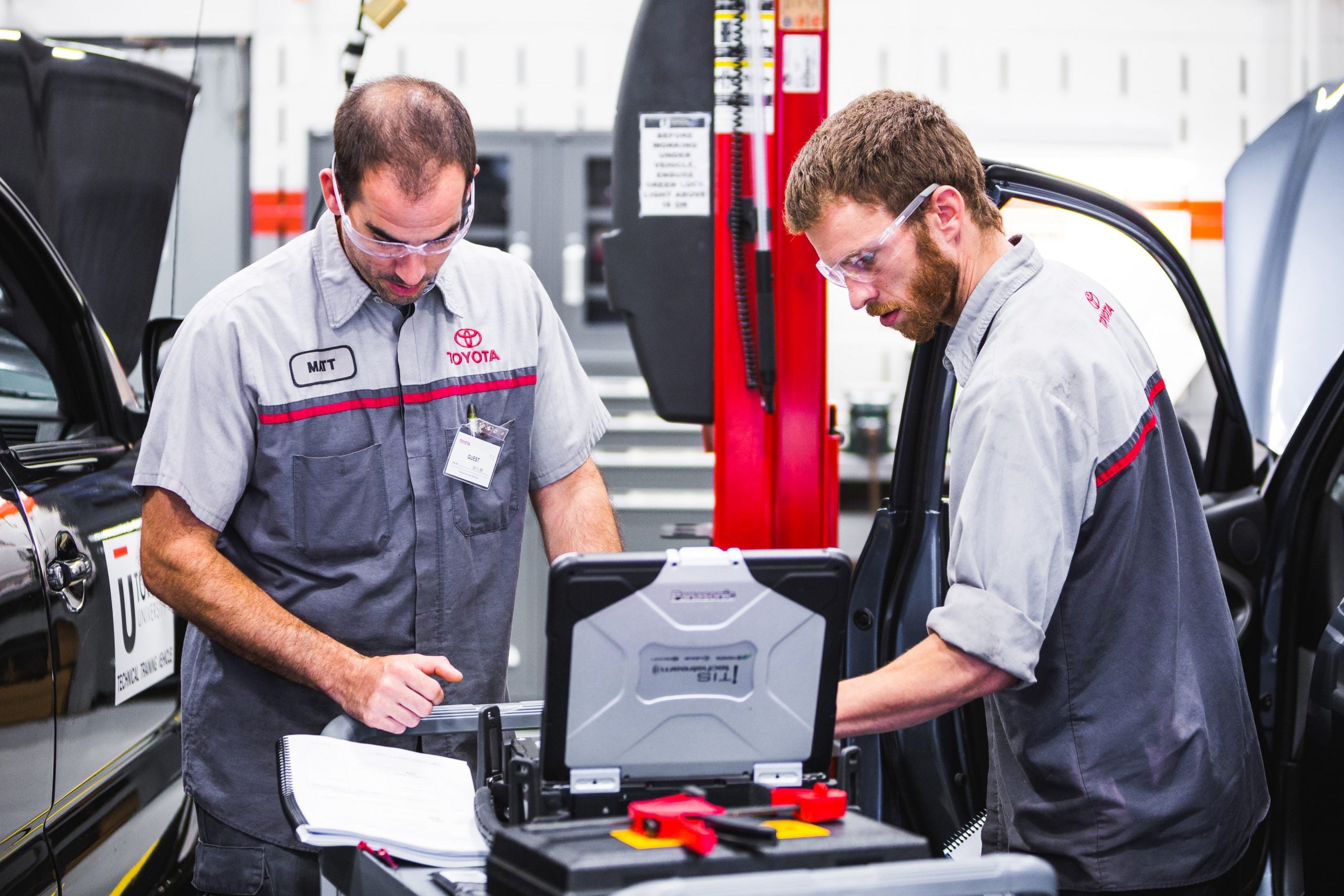
Most of us know when we see an engine light, it’s time to book an appointment for service. However, irregularities or problems shouldn’t be the first time we take our Toyota in. Regular Toyota Maintenance should be scheduled every 6 months or 8,000 kilometers, or whichever comes first. Sometimes Toyota mandates specific guidelines for certain models so we always recommend checking your Toyota Maintenance Schedule online.
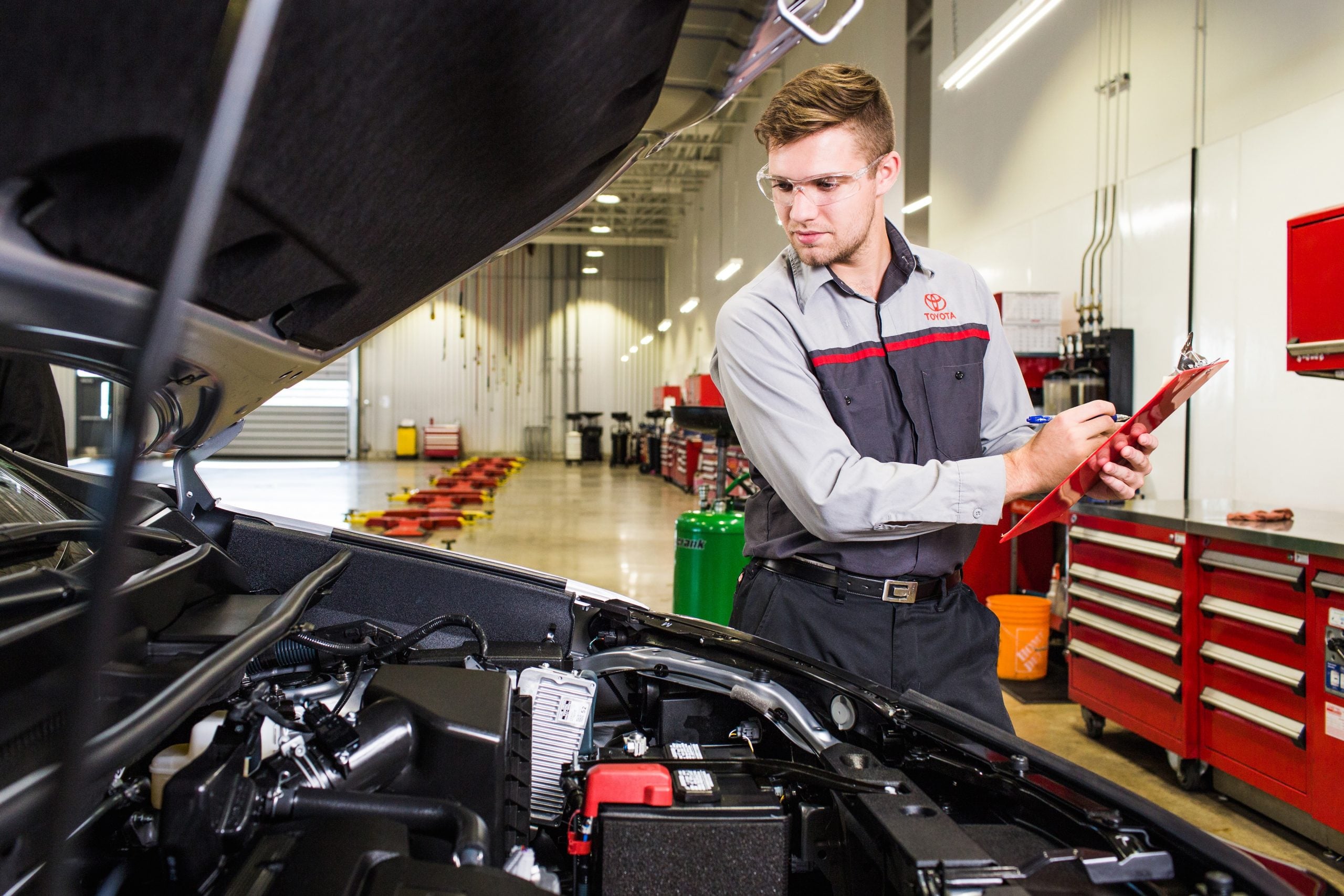
Properly maintaining your Toyota will ensure it works for years to come. It also means you maintain a high resale value if you decide to sell it down the road. That’s why Toyota recommends booking a service appointment every 6 months or 8,000 kms. So, what happens during one of these regular Toyota service appointments?
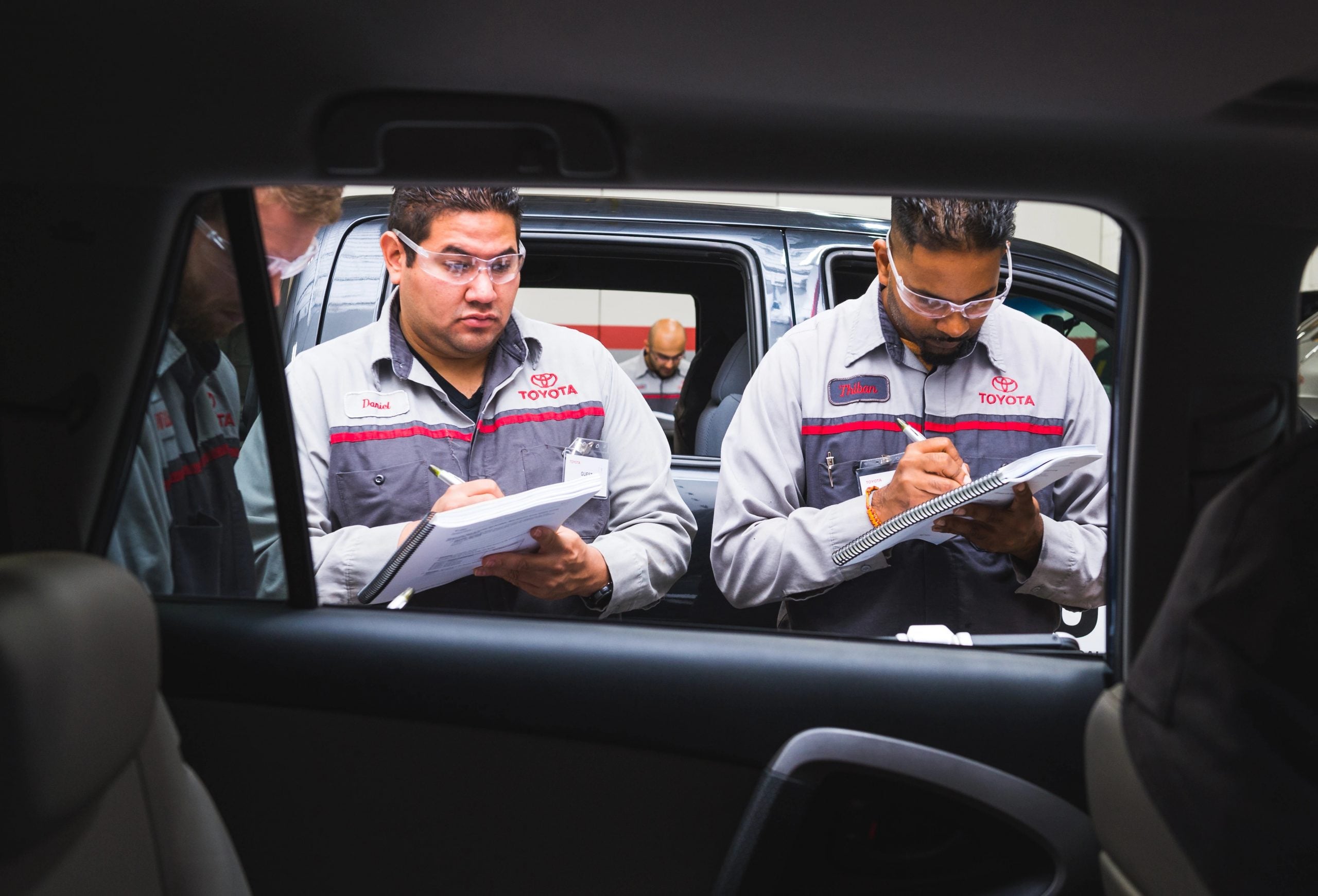
During this first 6 month or 8,000 km visit, our Factory Trained Toyota Technicians will:
During your second appointment at 12 months or 16,000 km, we make sure to replace the engine oil & filter. Then, at your third appointment — 18 months or 24,000 km — we repeat the process. By your fourth appointment, we repeat the usual checklist, however we broaden our search throughout the vehicle. This includes
At some point along your time owning a Toyota, general repairs and updates will need to be scheduled. Major components like your brakes and wheels need regular attention to run optimally and keep you and your passengers safe. But the cost of those repairs skyrockets when they are discovered too late or system damage causes more problems increasing the amount of work needed to your Toyota.
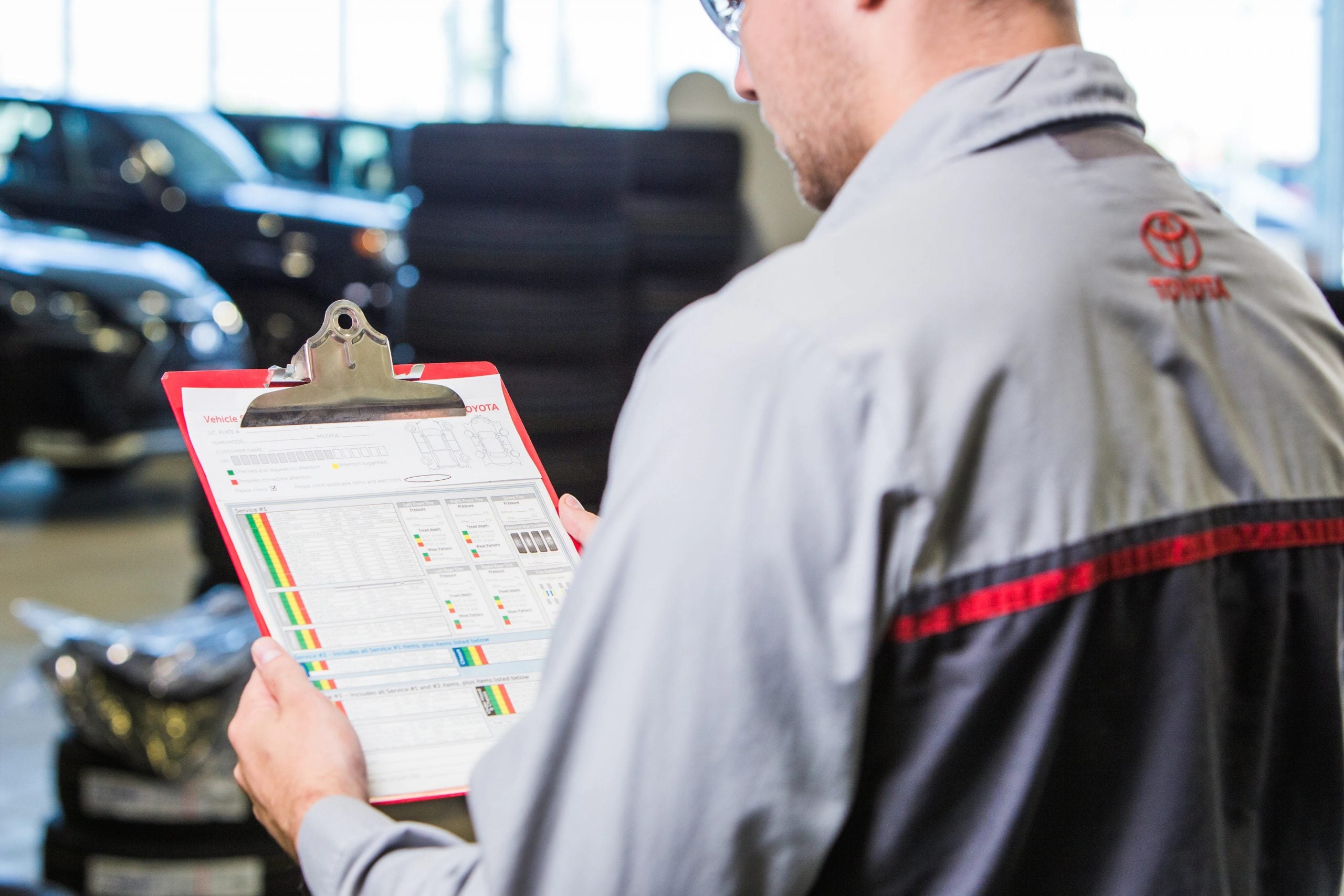
The morale of the story? Regular maintenance on your vehicle will save you money down the road on costly repairs. It also gives you peace of mind. Regular service work helps you avoid roadside breakdowns and keeps your Toyota running longer. Finally, it helps you make more money if you need to resell it privately.
At Mayfield Toyota, we want to be a part of your vehicle ownership journey every step of the way. From the moment you drive your brand new Toyota home to the days and weeks that follow. For every road trip, grocery store visit and weekend getaway, we want to make sure your Toyota is running at its best.
If you have a question about Toyota maintenance or how regular service works, don’t hesitate to reach out today! Book a service appointment online or speak to one of our Parts Experts about your parts needs. Every team member that works under our roof is here to help.


