Sales: (780) 420 1111
Service & Parts: (780)420 1111


When temperatures start to drop, you might not think about your tires, but you should. Cold weather affects tire pressure in a way that can impact your safety, performance, and fuel efficiency.
In this article, we’ll explain why cold weather affects tire pressure, how to know when the pressure is off, and what you should do to stay safe on Canadian winter roads.
Cold weather affects tire pressure because of basic physics. When the air gets colder, its molecules move more slowly and pack closer together. That means less volume. As a result, the pressure inside your tire drops.
For every 10 °C (about 18 °F) drop in temperature, your tire pressure can fall by roughly 1 to 2 psi (pounds per square inch). This drop occurs even if your tires don’t leak.
Moreover, your vehicle’s built-in tire pressure monitoring system (TPMS) might alert you simply because of the cold. It’s not always a fault in the tire itself.
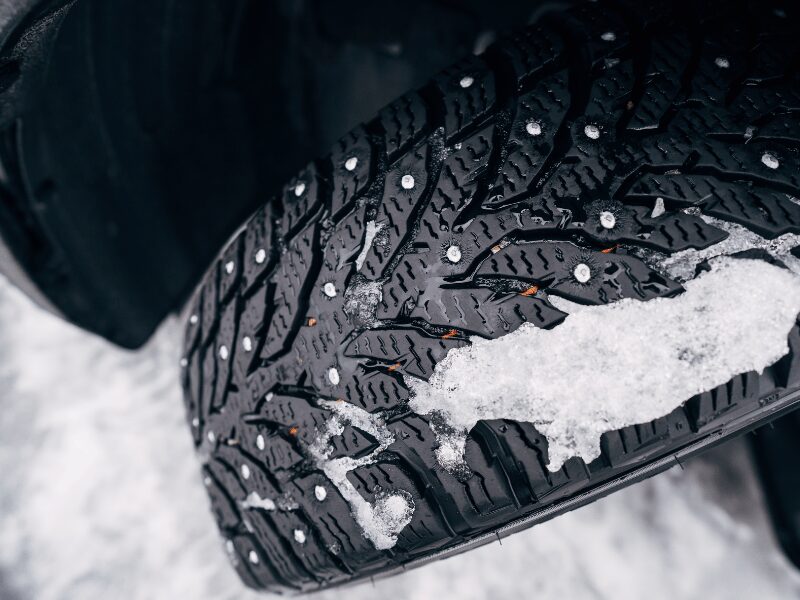
When your tire pressure is under-inflated, especially during cold snaps, several things can go wrong:
In short, if you don’t adjust for cold-weather tire pressure changes, your safety margin decreases, especially on icy or slushy roads.
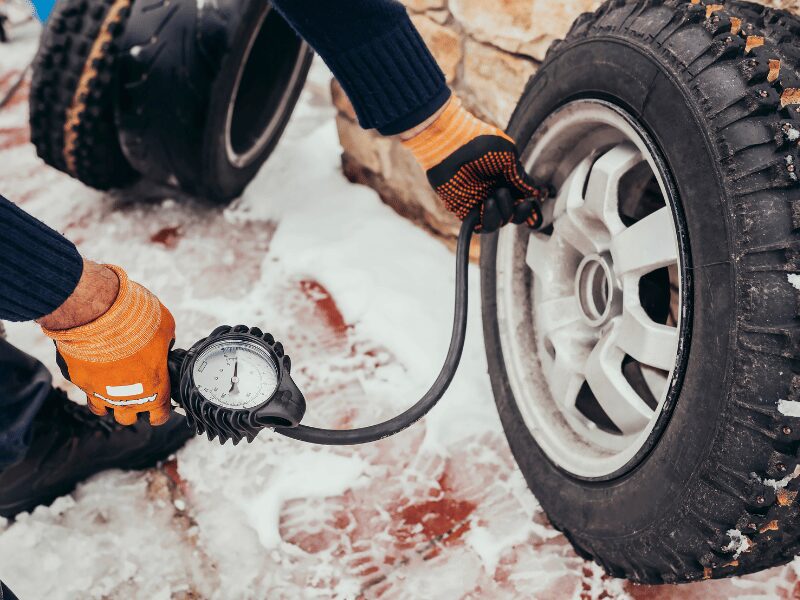
Here’s how you can keep your tire pressure in check when the weather turns cold:
Need help checking or inflating your tires? Book a tire service appointment at West Edmonton Mall Toyota to make sure your tires are winter-ready.
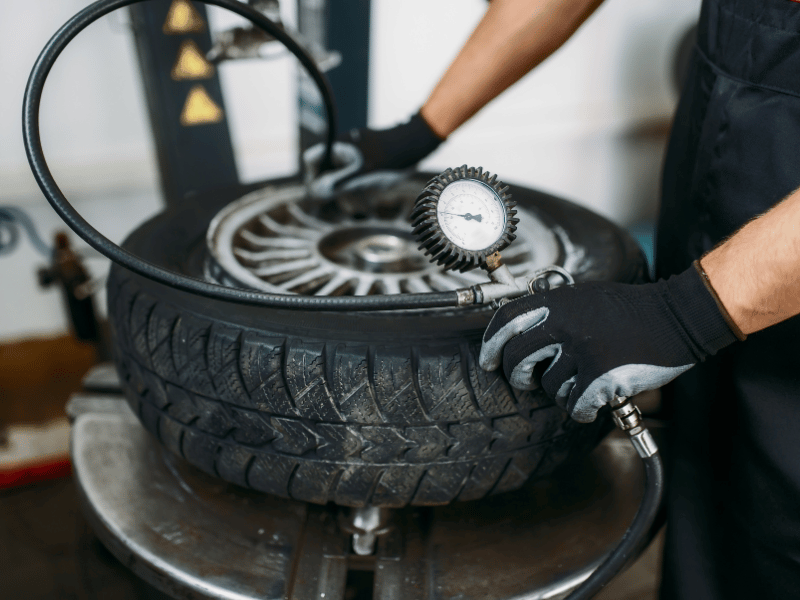
At West Edmonton Mall Toyota, we want every driver to enjoy safe and confident performance, even in winter. Your Toyota’s tires are a crucial part of that.
By keeping your tire pressure in check this winter, you’ll not only extend tire life but also:
While you’re checking your tires, it’s also a good idea to make sure your whole vehicle is ready for winter. Here’s a quick guide on how to prepare your car for winter.
Frequently Asked Questions
Q: Does nitrogen in tires prevent pressure loss in cold weather?
A: Nitrogen can reduce pressure fluctuations somewhat, but it doesn’t eliminate the physics of cold air contraction. The rules still apply.
Q: Should I inflate my tires more than the recommended PSI in winter?
A: No. Stick to recommended levels. Overinflation can reduce grip and lead to uneven wear.
Q: What if I check pressure and it’s fine, but my TPMS light still comes on?
A: Usually, the light is triggered by a moderate drop. Drive a bit to warm up the tires. If the light persists, have your tire inspected.
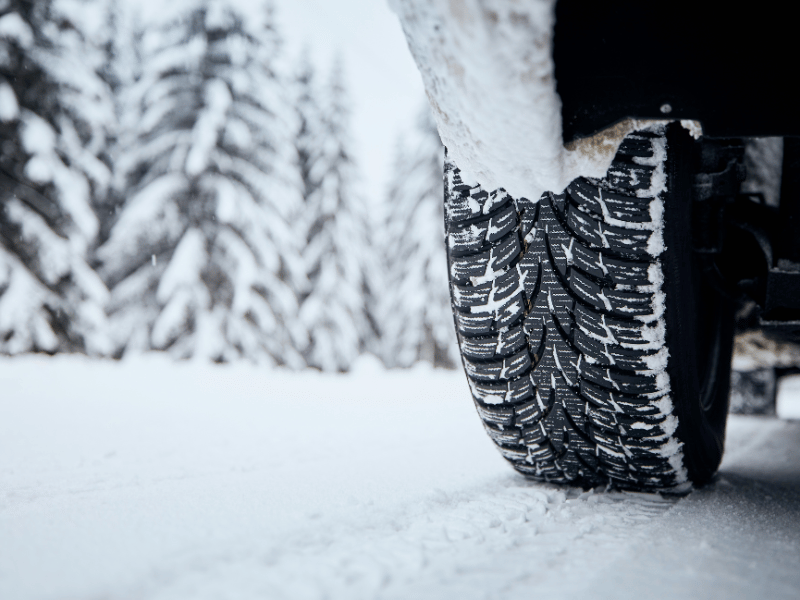
Cold weather affects tire pressure more than many drivers realize, and that makes a difference for your vehicle’s safety and performance. By understanding this link and acting early, you’ll give your Toyota the best start to the winter season.
In short: Monitor your tire pressure, keep it at the right level, and treat your Toyota to the care it deserves. If you’d like professional help or a winter check-up, schedule your service at West Edmonton Mall Toyota today.
Read more: Winter Tire Swap: When to Switch and How Early Is Too Early?